







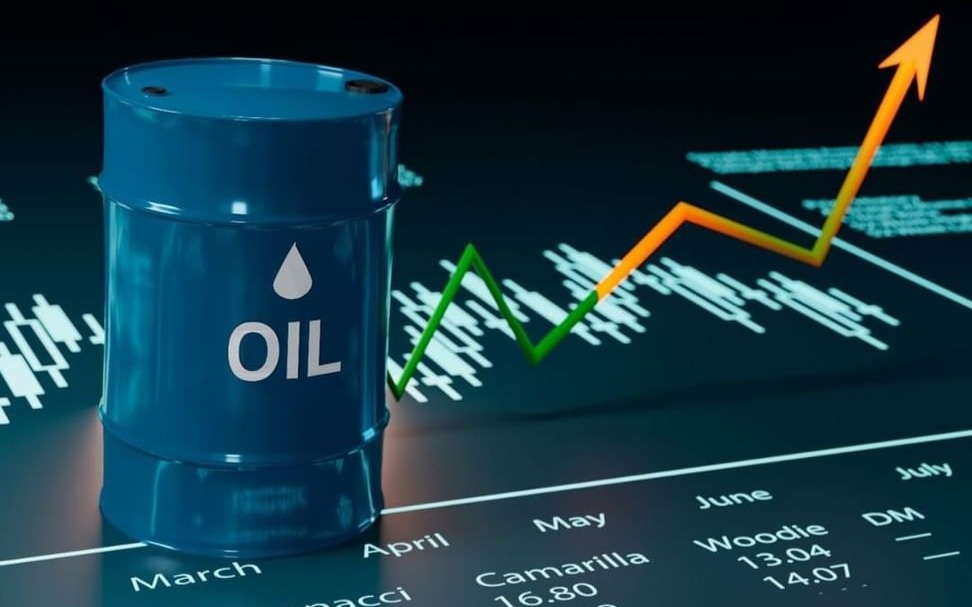
Global financial markets remained under pressure on Thursday as escalating tensions in the Middle East fueled concerns over energy supplies and economic stability. Investors reacted nervously after fresh military exchanges between the United States and Iran raised fears of a broader regional conflict, sending oil prices sharply higher and weighing on equity markets worldwide.
Brent crude climbed 1.7% to $94.64 per barrel, extending recent gains as traders assessed the growing risks to global oil shipments. The latest surge followed reports that Iran’s Islamic Revolutionary Guard Corps (IRGC) had launched retaliatory strikes against U.S. military facilities in Kuwait and Bahrain after Washington carried out new attacks on multiple targets inside Iran.
The conflict has intensified concerns about the security of the Strait of Hormuz, one of the world’s most important energy corridors. Iranian officials warned that any vessel passing through the strategic waterway could become a target if hostilities continue to escalate. Roughly one-fifth of the world’s oil supply moves through the Strait, making any threat to shipping routes a major concern for global markets.
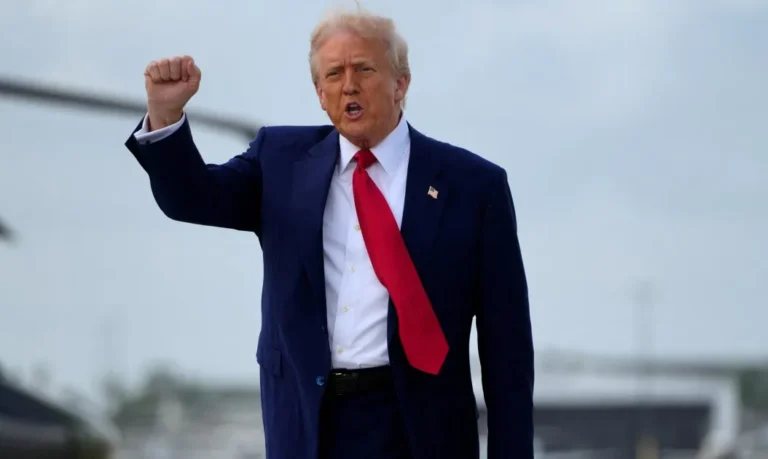
The renewed military exchanges come after U.S. President Donald Trump vowed further action against Iran if a peace agreement is not reached. Investors fear that prolonged instability in the region could disrupt energy exports, increase transportation costs, and push inflation higher at a time when many economies are already facing slowing growth.
Stock markets across Europe and Asia struggled to recover from recent losses as investors moved toward safer assets. Analysts noted that rising oil prices could place additional pressure on businesses and consumers, potentially complicating the outlook for central banks and economic policymakers.
Energy companies were among the biggest beneficiaries of the oil rally, while sectors heavily dependent on fuel costs, including airlines and transportation firms, faced renewed selling pressure. Market participants are now closely monitoring developments in the Middle East, with any further escalation likely to trigger additional volatility across global financial markets.
As geopolitical risks continue to dominate investor sentiment, traders remain focused on the possibility of supply disruptions and their impact on the broader economy. With oil prices approaching levels not seen in months, the conflict is rapidly becoming one of the most significant factors influencing global markets and business confidence.








+ There are no comments
Add yours