






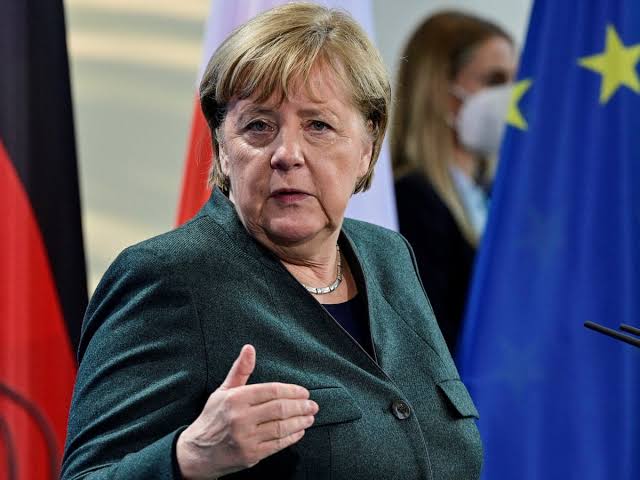
For 16 years, Angela Merkel stood at the center of European politics, earning global recognition for her calm, cautious, and evidence-based approach to leadership. As Germany’s first female chancellor, she guided Europe’s largest economy through financial crises, political uncertainty, a refugee challenge, and major shifts in global power. Her leadership style, often described as patient and analytical, became a symbol of stability during some of the most turbulent periods of modern history.
Merkel, a trained physicist before entering politics, brought a scientific mindset to decision-making. Rather than relying on dramatic speeches or rapid reactions, she became known for carefully examining facts, consulting experts, and building consensus before taking action. Supporters praised her ability to remain composed under pressure, while critics sometimes argued that her cautious approach delayed difficult decisions. Nevertheless, her method of steady governance helped Germany maintain political and economic stability during years of uncertainty.
One of the defining moments of Merkel’s leadership came during the global financial crisis of 2008, when she played a central role in protecting Germany’s economy while supporting broader European efforts to stabilize the eurozone. Her government promoted fiscal discipline but also worked with European partners to prevent deeper economic disruption across the continent.
Merkel also faced one of her greatest challenges in 2015, when Germany received hundreds of thousands of refugees fleeing war and instability, particularly from Syria and other conflict zones. Her decision to keep Germany’s borders open during the crisis became one of the most debated actions of her political career. Supporters viewed it as a humanitarian commitment, while opponents raised concerns about social integration, security, and the pressure placed on public services.
On the international stage, Merkel was regarded as a key figure in maintaining European unity and managing relations with major powers. She worked to strengthen cooperation within the European Union and played an important diplomatic role during disputes involving Russia, Ukraine, trade issues, and transatlantic relations.
After leaving office in 2021, Merkel’s leadership continued to attract attention as global leaders examined the qualities that defined her era. Her approach demonstrated that leadership does not always depend on powerful rhetoric or dramatic gestures; it can also be built on patience, preparation, compromise, and a commitment to informed decision-making. Merkel’s legacy remains closely associated with stability, responsibility, and the belief that careful leadership can have a lasting impact on nations and international affairs.







+ There are no comments
Add yours