






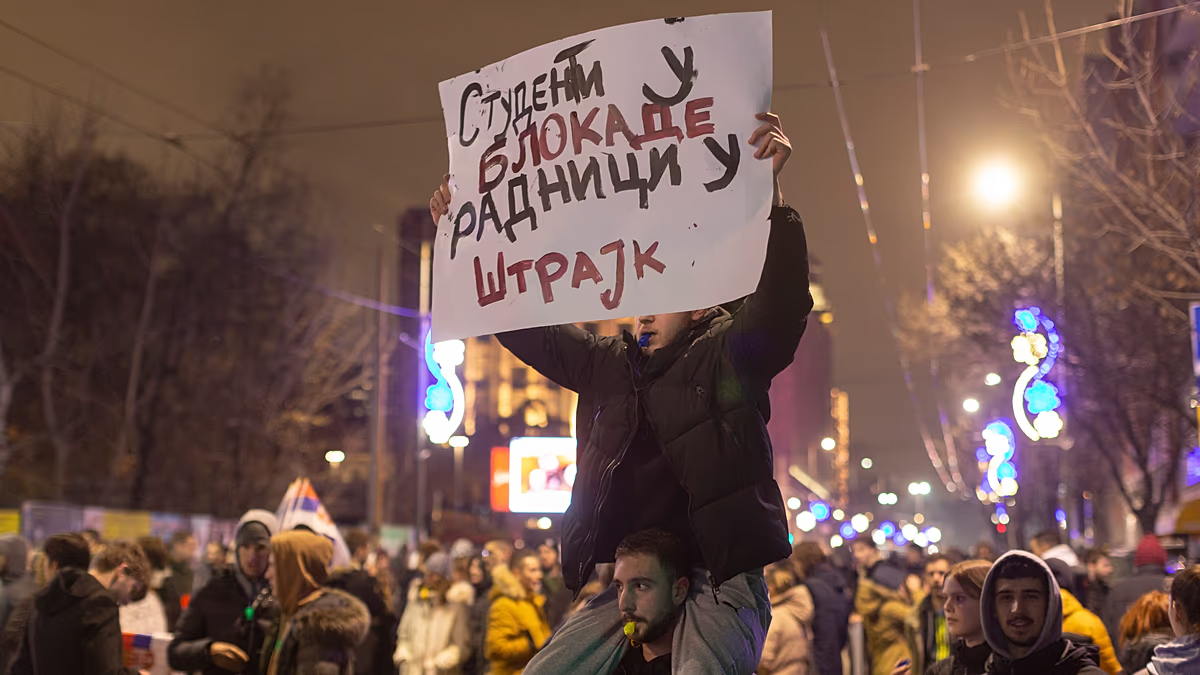
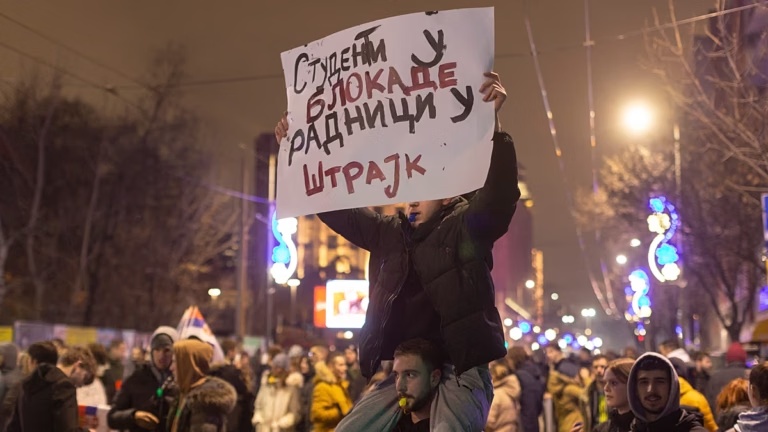
Serbia’s student movement has demonstrated that the power to challenge a government does not begin and end in the streets. By transforming months of public protest into a direct electoral challenge against the ruling establishment, students have emerged as a formidable political force, signalling a potential turning point in the country’s struggle for accountability, transparency and democratic reform.
What began as demonstrations driven by public anger has evolved into a broader demand for political change. Rather than limiting their efforts to marches, rallies and calls for government accountability, student activists have sought to take their campaign into the political arena itself. Their strategy reflects a fundamental shift: instead of simply demanding that those in power listen, they are attempting to secure the authority to make decisions themselves.
The movement gained momentum amid widespread frustration over corruption allegations, institutional accountability and concerns about the functioning of democratic institutions. Student-led demonstrations attracted support from citizens who believed that established political structures had failed to address their demands adequately. Universities became focal points of mobilisation, while public gatherings demonstrated the movement’s capacity to unite people across different generations and social backgrounds.
The decision to challenge the ruling government electorally represents a significant test of the movement’s strength. Street protests can expose public dissatisfaction, but elections require a different level of organisation, political discipline and public trust. Candidates must develop credible policies, build coalitions and convince voters that they can translate demands for reform into effective governance.
For Serbia’s ruling establishment, the emergence of an organised student-led political challenge presents a potentially serious test. A movement rooted outside traditional party structures can appeal to voters disillusioned with conventional politics. However, converting public enthusiasm into lasting political influence requires more than a compelling message. It demands clear priorities, transparent leadership and the ability to navigate the complexities of governing.
The movement also faces difficult questions about its future direction. Maintaining unity, defining economic and social policies, and ensuring accountability within its own ranks will be essential if its ambitions extend beyond opposition to the current government.
Serbia’s experience offers a broader lesson for democracies confronting declining public trust: political participation need not stop at protest. When citizens organise, build institutions and compete for elected office, they can attempt to transform public pressure into political power.
The ultimate measure of the student movement’s success will not be the size of its demonstrations, but whether it can secure a legitimate electoral mandate and deliver meaningful change. Its rise has already challenged conventional assumptions about who can shape national politics. Whether that momentum becomes a lasting democratic transformation will depend on what comes next.








+ There are no comments
Add yours