







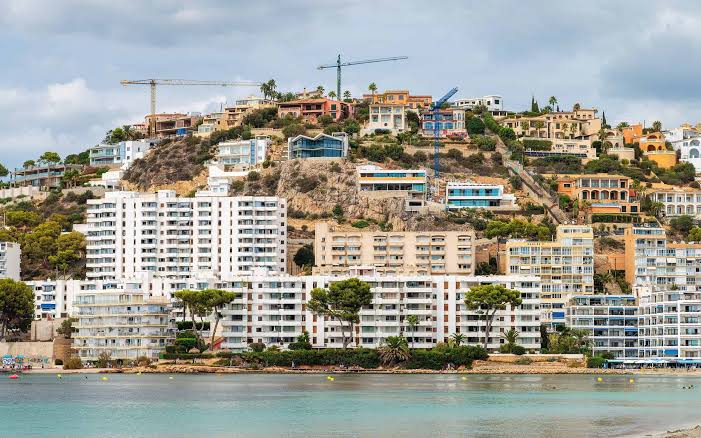
Spain’s housing crisis is intensifying as construction struggles to keep pace with growing demand, pushing property prices and rents beyond the reach of many households and turning access to affordable accommodation into one of the country’s most pressing economic and political challenges.
Despite continued demand for homes in major cities and popular coastal destinations, the supply of new housing remains insufficient. The resulting imbalance is placing increasing pressure on young people, low-income families and workers who find themselves unable to save enough to purchase a property or afford increasingly expensive rents.
According to figures cited by Euronews on Monday, Spanish house prices increased by 84.6% between 2015 and 2025, while average annual gross wages rose by just 27.85% between 2015 and 2024. The gap highlights how housing costs have significantly outpaced earnings, making homeownership increasingly difficult for ordinary workers.
The shortage is particularly severe in areas experiencing strong population growth, tourism and employment opportunities. Madrid, Barcelona and other major urban centres continue to attract residents, but the construction of new homes has not matched the pace of demand. Limited affordable rental options have further intensified competition, leaving many households spending a substantial share of their income on accommodation.
The Bank of Spain has estimated that the country accumulated a housing deficit of approximately 750,000 homes between 2021 and 2025. During that period, household formation significantly outpaced the completion of new properties, underscoring the scale of the supply challenge.
Developers face several obstacles, including rising construction costs, labour shortages, restricted land availability and lengthy planning procedures. Financing difficulties have also made some projects less attractive to investors, slowing the delivery of new homes even in areas where demand remains strong.
The consequences extend beyond the property market. High rents reduce household spending power, delay young adults’ independence and make it harder for workers to relocate for employment. Housing insecurity has also fuelled public protests and intensified political disagreements over rent controls, tenant protections and the role of private investors.
Addressing the crisis will require more than short-term measures. Experts have called for faster planning approvals, increased construction of affordable and social housing, improved access to development financing and better coordination between national and local authorities. However, policymakers remain divided over how to balance tenant protection, investment incentives and the need to expand supply.
Spain’s housing difficulties reflect a broader challenge confronting many economies: rising property values do not necessarily translate into greater housing security. Without a sustained increase in affordable supply, the gap between property ownership and ordinary household incomes could continue to widen.
For millions of Spaniards, the central question is no longer simply whether they can afford to buy a home, but whether they can secure a stable place to live without sacrificing their financial future. The answer will depend on whether policymakers and the construction industry can turn ambitious housing commitments into homes that people can actually afford.








+ There are no comments
Add yours