





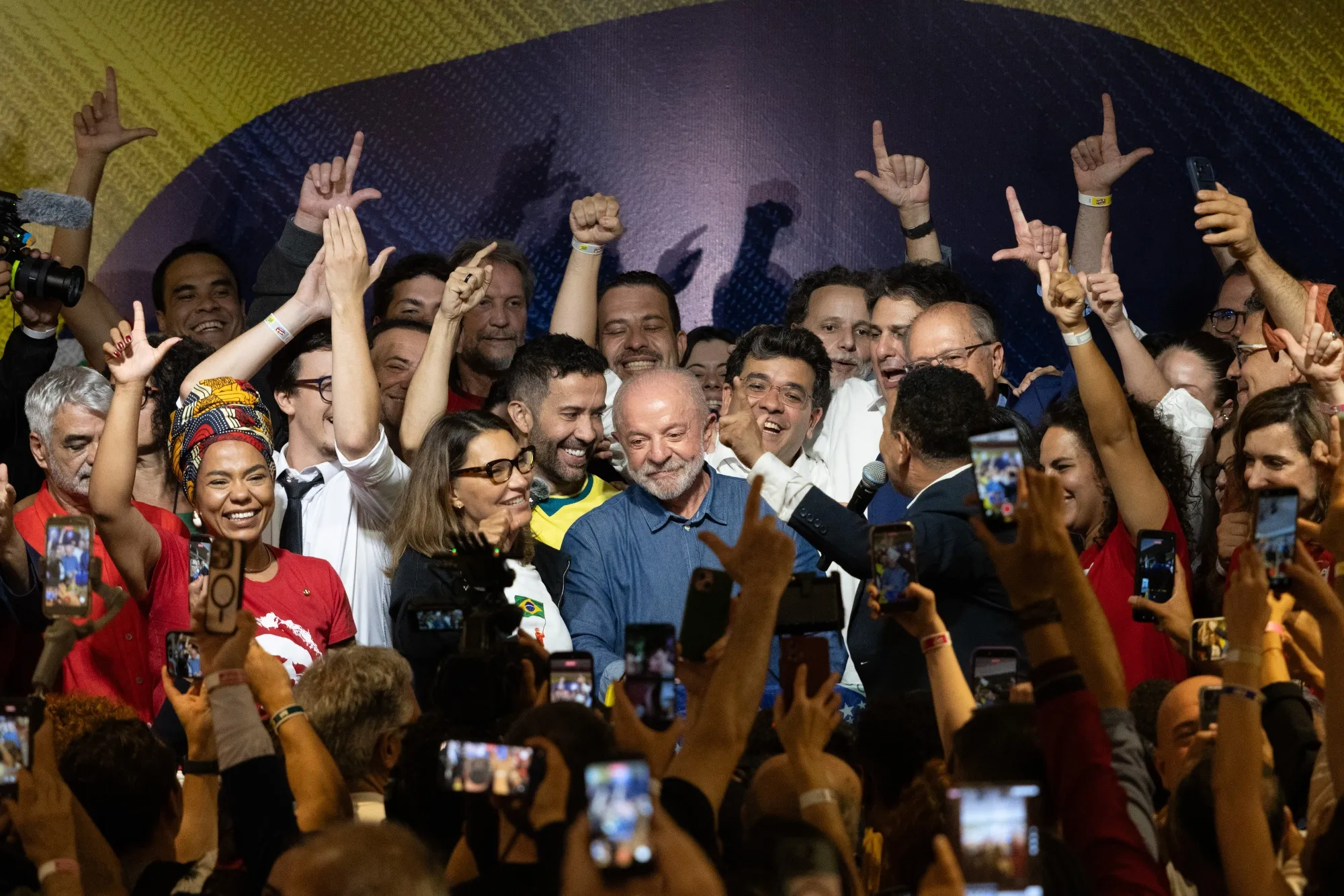
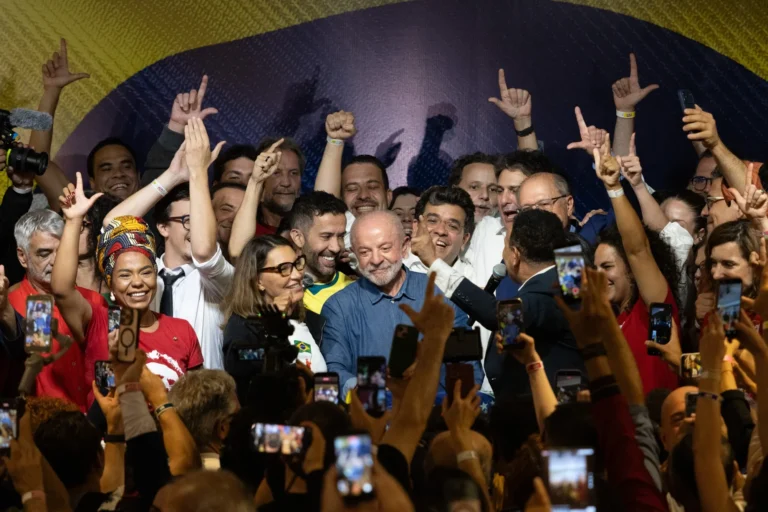
Brazilian President Luiz Inácio Lula da Silva has secured a historic fourth, non-consecutive presidential term, completing a remarkable political comeback after finishing second in the first round of voting and reinforcing his position as one of the most influential figures in Brazil’s modern political history.
The victory represents a significant moment for Brazil’s democracy. Since the country returned to civilian democratic rule in the 1980s, no presidential candidate had finished second in the first round and subsequently won the presidency in the runoff, making Lula’s achievement an unprecedented milestone in the country’s electoral history.
Lula’s path to victory reflected a deeply polarised electorate and a fiercely contested campaign. His challenge was to overcome the initial voting deficit, consolidate support among progressive voters and attract undecided electors concerned about the country’s economic outlook, social policies and political stability.
Throughout the campaign, Lula emphasised social welfare, employment, workers’ rights and measures to support lower-income households. His message sought to reassure voters facing persistent financial pressures while presenting his administration as a defender of social inclusion and economic opportunity.
The result also underscores the continuing strength of Brazil’s political divisions. Although Lula’s victory provides a renewed mandate, the narrow contest highlights the significant challenges facing his government as it seeks to govern a country divided over economic priorities, public security and the role of the state.
Economic management is likely to remain a central concern during his next term. High borrowing costs, public debt, household financial pressures and expectations for improved public services will test the government’s ability to translate campaign commitments into measurable results. Building consensus in Congress will also be essential to advancing legislation and sustaining policy reforms.
Internationally, Lula’s return to the presidency carries implications for Brazil’s diplomatic priorities, including relations with major economic powers, regional cooperation in Latin America, environmental protection and the country’s role in multilateral institutions.
Lula’s political journey has been marked by extraordinary reversals, from his early years as a labour leader to two previous presidential victories, a period of imprisonment and his return to power in 2022. His latest electoral success further illustrates his enduring influence over Brazilian politics.
The immediate challenge, however, will be to turn electoral victory into effective governance. Lula has overcome a historic first-round setback, but the success of his next presidency will ultimately depend on whether he can address Brazil’s economic concerns, reduce political tensions and deliver tangible improvements in the lives of its citizens.





+ There are no comments
Add yours