






Saudi Arabia has partially reopened its main international airport in Riyadh following a two-week shutdown, but continuing security threats and widespread airline suspensions are disrupting travel across the kingdom, leaving passengers uncertain about when normal flight operations will resume.
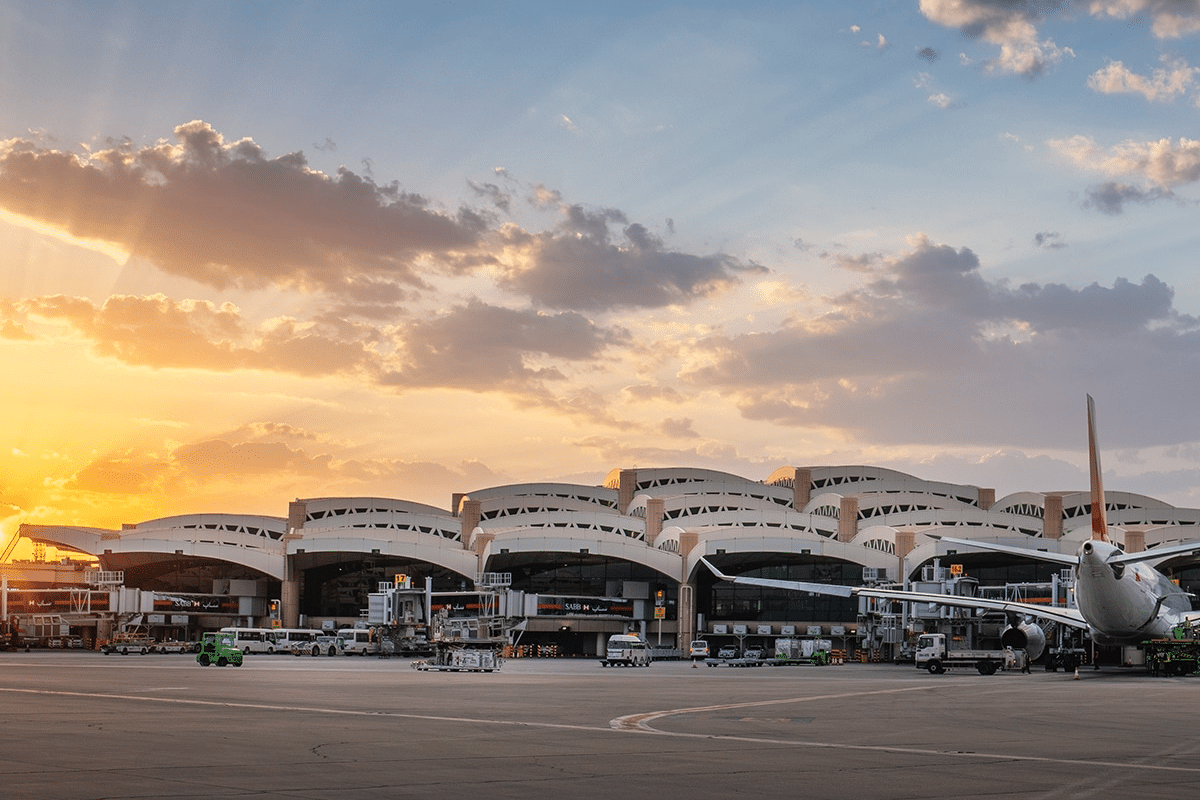
King Khalid International Airport resumed limited operations on Sunday, October 25, after suspending services earlier this month following attacks attributed to Yemen’s Houthi movement. The reopening marks an important step towards restoring air connectivity, but the return of flights remains limited as regional hostilities continue to raise concerns about aviation safety.
Under the revised arrangements, Terminal 1 is handling domestic flights, while Terminal 2 is designated for international services operated by Saudi carriers. However, the airport has not returned to full capacity, and flight-tracking data indicated relatively low traffic following the reopening.
The disruption extends well beyond Riyadh. Airlines operating routes to and from Saudi Arabia have continued to cancel or suspend services, with several international carriers extending restrictions into late October and November. Etihad Airways, flydubai, Emirates and other airlines have announced changes affecting routes to Riyadh and additional Saudi destinations, although suspension periods differ by airline and route.
The security situation remains a major concern. Houthi representatives have renewed warnings against using Riyadh airport, while Saudi authorities have reported intercepting missiles and drones amid continuing hostilities. These developments have complicated efforts to restore reliable air services and heightened uncertainty for airlines, airport staff and passengers.
The scale of the disruption has been substantial. Aviation analytics company Cirium reported that thousands of scheduled departures across Saudi Arabia were cancelled or did not operate between October 8 and October 25, reflecting the extensive impact of the crisis on the country’s aviation network.
For travellers, the immediate priority is to confirm flight status directly with airlines before leaving for the airport. Passengers with connecting flights should also check whether schedule changes affect onward journeys, hotel bookings or other travel arrangements.
The partial reopening offers a sign of progress, but it does not yet signal a return to normality. Until security conditions improve and airlines restore their schedules, Saudi Arabia’s aviation network is likely to remain under pressure, with consequences for business travel, tourism and international connections.
For now, Riyadh’s airport is open again, but the path to dependable international air travel remains uncertain.










+ There are no comments
Add yours