






Deep in the remote mountains of northern Pakistan, a remarkable world exists where snow-covered peaks, traditional hospitality and ancient spiritual beliefs come together. In Ishkoman Valley, travellers can escape the noise of modern life, wander through breathtaking landscapes and encounter local traditions surrounding shamans who are believed to communicate with fairies.
Far from the crowded streets, traffic and pollution of Pakistan’s major cities, Ishkoman Valley offers an extraordinary glimpse into a world shaped by nature, folklore and generations of cultural traditions. Located in the Gilgit-Baltistan region of northern Pakistan, the remote valley is surrounded by towering mountains, glacial streams and small settlements where life continues at a slower, more traditional pace.
For travel writer Geena Truman, discovering this remarkable destination required an ambitious 650-kilometre motorcycle journey from Islamabad. Leaving behind the capital’s congestion and smog, she travelled towards the mountainous north, where winding roads lead through dramatic landscapes and the air becomes noticeably different from the atmosphere of the city.
The journey was not simply about reaching a destination. It was an opportunity to experience a part of Pakistan that remains relatively remote from conventional international tourism, where the natural environment shapes everyday life and local traditions offer visitors a window into a different understanding of the world.
Her destination was Coyote Den Ishkoman Hostel, a mountain retreat that promised an unusual combination of outdoor adventure, Pakistani hospitality and encounters with local spiritual traditions. During her stay, Truman planned to explore the surrounding mountains, spend time among grazing sheep and visit a female shaman who was said to communicate with fairies and help people understand their fate.
The experience began with a climb up a steep, scree-covered mountainside. Following a flock of white sheep, Truman struggled to keep pace as the animals moved confidently across the unstable terrain. Every step sent small stones tumbling down the slope, while the sheep continued upwards with an ease that suggested their familiarity with the rugged landscape.
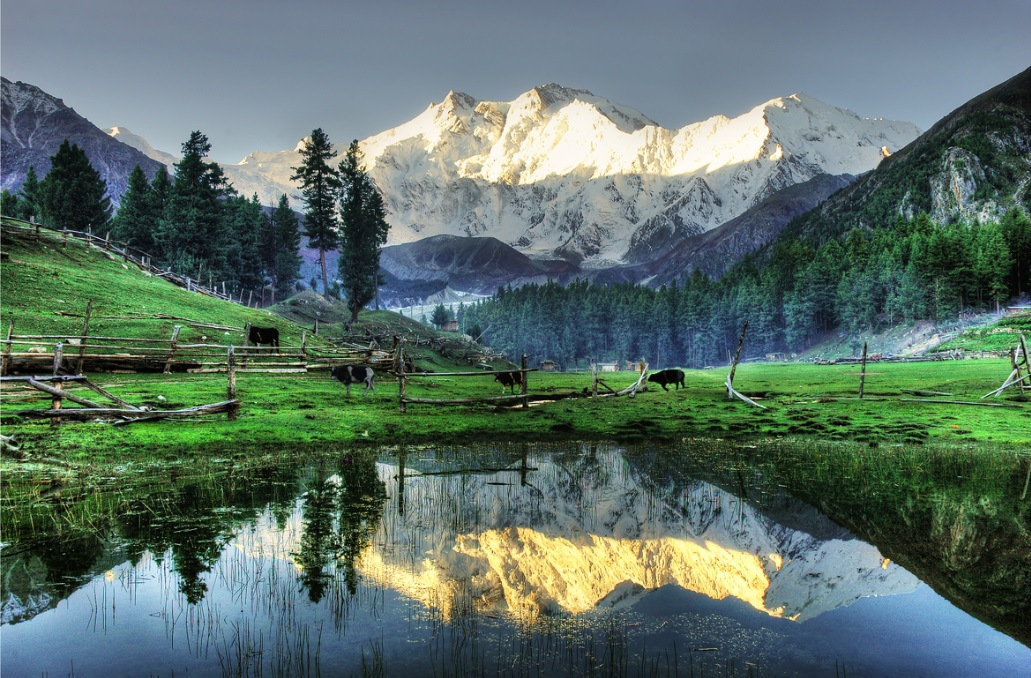
Eventually, the animals stopped to graze at an overlook, giving the traveller an opportunity to catch her breath and take in the extraordinary scenery. Snow-capped peaks surrounded the valley, while pale glacial streams cut through the landscape below. Pink cherry blossoms lined narrow mountain roads, creating a striking contrast against the rocky slopes and towering white summits.
It was a scene that captured the distinctive appeal of Ishkoman Valley: a place where nature remains the main attraction and even a simple walk through the countryside can become a memorable adventure.
Unlike conventional holidays centred on crowded attractions, shopping districts or carefully planned entertainment, a stay in this remote valley offers the opportunity to experience mountain life more directly. Visitors can watch livestock grazing, explore surrounding trails, observe the changing landscape and enjoy the quiet atmosphere of a community closely connected to its environment.
For many travellers, such experiences provide a welcome alternative to the speed and pressures of urban living. The mountains encourage a slower pace, allowing visitors to appreciate details that might otherwise go unnoticed, from the movement of clouds above distant peaks to the sound of water flowing through glacial streams.
Yet the attraction of Ishkoman extends beyond its natural beauty. What makes the destination particularly intriguing is its association with local spiritual traditions and stories about supernatural beings.
The prospect of visiting a female shaman who is said to speak with fairies introduces an unusual dimension to Truman’s journey. In many cultures around the world, folklore describes spirits, unseen beings and supernatural forces that are believed to inhabit forests, mountains, rivers and other natural environments. Such stories often reflect the ways communities understand their surroundings, interpret uncertainty and pass cultural knowledge from one generation to another.
In the context of Ishkoman, the reported practice of consulting a shaman offers a glimpse into a spiritual world that may be unfamiliar to many international visitors. People who seek guidance from spiritual practitioners may be looking for answers to personal questions, reassurance about difficult circumstances or insight into what the future might hold.
The claim that a shaman can communicate with fairies is a matter of spiritual belief and folklore rather than an established scientific fact. Nevertheless, the cultural significance of such traditions can be meaningful to the people who participate in them. Understanding these practices requires curiosity, respect and a willingness to listen without automatically dismissing unfamiliar perspectives.
It is equally important to recognise that people living in Ishkoman Valley do not necessarily share identical beliefs. Like communities everywhere, residents have their own individual experiences, religious understandings and attitudes towards traditional practices. The presence of a particular spiritual tradition does not mean that it defines every person who lives in the region.
For visitors, an encounter with a shaman can provide an opportunity to learn about the stories and cultural meanings associated with a place. It can also raise broader questions about humanity’s enduring fascination with the unknown and the different ways people seek guidance when faced with uncertainty.
The mountains of northern Pakistan provide a particularly evocative setting for these traditions. Their immense scale, remote valleys and unpredictable weather have inspired wonder and storytelling for generations. In such landscapes, the boundary between the familiar and the mysterious can become a powerful subject of local folklore.
However, the persistence of traditional beliefs should not be confused with an absence of modern life. Spiritual practices and oral traditions can coexist with contemporary education, technology, employment and communication. Cultural continuity does not necessarily require communities to reject change; instead, traditions may evolve while retaining an important place in local identity.
The Coyote Den Ishkoman Hostel provides a base from which travellers can explore this distinctive environment. Its appeal lies in the opportunity to experience the mountains at close range while enjoying the hospitality associated with rural Pakistan. Rather than relying exclusively on conventional sightseeing, visitors can spend time outdoors and gain a greater appreciation of the landscape and the people who inhabit it.
The wider Gilgit-Baltistan region is celebrated for its spectacular mountain scenery, remote settlements, glaciers and challenging trekking routes. Its dramatic geography attracts mountaineers, photographers and adventurous travellers seeking experiences far removed from heavily commercialised destinations.
Seasonal changes add another dimension to the region’s appeal. During warmer periods, flowering trees and greener landscapes soften the rugged terrain, while higher elevations retain their imposing mountain character. The sight of delicate cherry blossoms against rocky slopes and snow-covered peaks creates a remarkable contrast that makes the valley especially memorable.
But the region’s significance cannot be measured through scenery alone. Its communities have developed ways of life adapted to mountain conditions, seasonal weather and the practical challenges of travelling across difficult terrain. Agriculture, livestock and local relationships remain important elements of rural life, giving visitors an opportunity to understand how people adapt to their surroundings.
The growing interest in destinations such as Ishkoman also reflects a wider shift in travel preferences. Increasingly, some travellers seek experiences that go beyond famous landmarks and conventional tourist activities. They want to meet local people, discover unfamiliar customs and spend time in places where daily life unfolds differently from their own.
Ishkoman offers a combination of experiences that can appeal to these visitors: breathtaking mountain scenery, opportunities for outdoor exploration, traditional hospitality and folklore that connects the natural world with spiritual imagination. The reported presence of a female shaman adds another layer of cultural interest, encouraging visitors to look beyond the physical landscape and consider the beliefs associated with it.
Nevertheless, travelling to a remote mountain destination requires preparation. Visitors should check local travel advice, road conditions, weather forecasts and accommodation arrangements before beginning their journey. Mountain weather can change quickly, and transport or medical facilities may be more limited than in major urban centres. Travellers should also respect local customs, seek permission before photographing residents and avoid treating spiritual practices as entertainment.
Environmental responsibility is equally important. Mountain ecosystems can be fragile, and increased tourism may place pressure on local resources if it is not managed carefully. Supporting locally operated accommodation, respecting private property, avoiding litter and following established trekking guidance can help reduce the impact of tourism. Visitors should also remember that the valley is a home for local communities, not simply a picturesque backdrop for photographs.
The most meaningful encounters are often those in which travellers approach unfamiliar traditions with genuine interest rather than preconceived judgments. Listening to local perspectives, recognising the difference between cultural belief and scientific evidence, and respecting personal boundaries can make travel more rewarding for both visitors and hosts.
For Truman, the journey to Ishkoman Valley combines the physical adventure of a long motorcycle ride with the quieter pleasures of mountain life. Following sheep across rocky slopes, admiring cherry blossoms and looking out across snow-covered peaks provide a vivid introduction to the region. The planned encounter with a shaman offers an additional opportunity to explore the folklore and spiritual traditions that make the destination so unusual.
Ultimately, the story of Ishkoman Valley is about more than fairies. It is about the relationship between people and the landscapes they inhabit, the traditions that survive across generations and the universal human desire to understand mysteries that lie beyond everyday experience.
Whether visitors interpret stories about fairies as folklore, spiritual belief or cultural expression, such traditions can offer insight into the many ways people find meaning in the world around them. They remind travellers that different communities may approach the same fundamental questions about life, uncertainty and the future from very different perspectives.
Far from Pakistan’s crowded cities, Ishkoman Valley presents a rare combination of natural beauty, rural hospitality and cultural intrigue. Its towering mountains and glacial streams provide an unforgettable setting, while its reported spiritual traditions invite visitors to explore a world beyond conventional sightseeing.
For those willing to make the journey and approach the region with respect, Ishkoman offers more than an escape into the mountains. It offers a chance to slow down, encounter unfamiliar ways of thinking and discover how the stories people tell can become an enduring part of the places they call home.







+ There are no comments
Add yours