






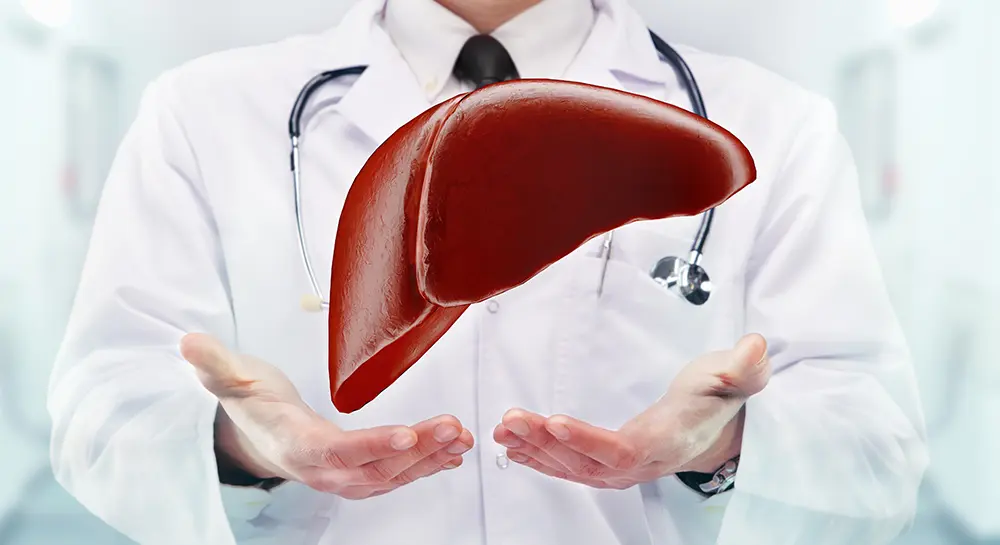
The liver is one of the body’s hardest-working organs, quietly performing hundreds of essential functions every day. It processes nutrients, helps regulate energy, produces substances needed for blood clotting, supports digestion and breaks down alcohol, medicines and other potentially harmful substances. Yet despite its importance, liver health is often overlooked until a problem becomes serious.
Health experts are increasingly emphasising the importance of prevention, as liver disease linked to alcohol consumption, unhealthy diets, excess body weight and viral infections remains a significant public health concern. In June 2026, the World Health Organization’s European office highlighted the growing burden of liver disease and called for stronger prevention and treatment efforts. Although the figures in its report concern the European Region, the underlying message has wider relevance: many liver conditions can be prevented, detected early or managed more effectively with appropriate care.
One of the most important steps towards protecting the liver is maintaining a balanced diet. Meals rich in vegetables, fruit, wholegrains, beans, lentils and other sources of fibre can support overall metabolic health. Fish, eggs and other appropriate protein sources can help provide essential nutrients, while replacing some foods high in saturated fat with healthier unsaturated fats may benefit long-term health. Reducing sugary drinks, excessive added sugar and heavily processed foods can also help lower the risk of fat accumulating in the liver.
Excess fat stored in the liver can lead to metabolic dysfunction-associated steatotic liver disease, commonly known as MASLD. The condition often develops without obvious symptoms and may progress in some people to inflammation, scarring and serious liver damage. It is associated with factors including excess weight, type 2 diabetes and physical inactivity. Because symptoms may be absent in the early stages, a person can have a liver condition without realising it.
Regular exercise is another important part of prevention. Walking, cycling, swimming, dancing and strength-training activities can improve metabolic health and help reduce liver fat, even when substantial weight loss does not occur. Adults should generally aim for at least 150 minutes of moderate-intensity physical activity each week, where appropriate for their health and abilities. Consistency matters more than attempting an extreme fitness routine for a short period.
Alcohol consumption also deserves careful attention. Drinking too much can damage liver cells and contribute to inflammation, scarring and cirrhosis. The safest choice for people with alcohol-related liver disease is to follow medical advice, which may mean avoiding alcohol completely. People who drink should understand that risk depends on the amount consumed, drinking patterns and individual health factors; there is no need to start drinking for supposed health benefits.
Another common mistake is assuming that detox drinks, herbal cleanses or expensive supplements can cleanse the liver. A healthy liver already processes and removes many substances from the body. Commercial detox products have not been shown to provide a reliable shortcut to liver health, and some herbal preparations and supplements can themselves cause liver injury. Anyone taking regular medication or considering a supplement should consult a qualified healthcare professional, particularly if they have an existing liver condition.
Medicines should also be used responsibly. Taking more than the recommended dose of paracetamol, also known as acetaminophen, can cause serious liver damage. Some cold and flu remedies contain the same ingredient, meaning people may accidentally take it in multiple products. Reading labels, following dosage instructions and checking with a pharmacist or doctor when uncertain can help prevent avoidable harm.
Preventing viral hepatitis is equally important. Hepatitis viruses can cause inflammation and, in some cases, long-term liver damage. Vaccines are available for hepatitis A and B, while hepatitis C can now be cured in most cases with appropriate antiviral treatment. Vaccination, testing based on individual risk and avoiding the sharing of needles, razors or other items contaminated with blood can reduce the risk of infection. People concerned about possible exposure should seek professional advice about testing.
Regular medical care can help identify problems before complications develop. A clinician may recommend liver blood tests, imaging or additional investigations depending on symptoms, medical history and risk factors. People living with diabetes, excess weight or other metabolic conditions may benefit from discussing liver health as part of their routine care. However, normal blood-test results do not always rule out liver disease, so results should be interpreted alongside other clinical information.
Recognising warning signs is essential. Yellowing of the skin or eyes, unusually dark urine, pale stools, persistent itching, swelling of the abdomen or legs, and unexplained bruising can indicate a serious problem. These symptoms warrant prompt medical assessment. Confusion, vomiting blood or severe bleeding require emergency medical attention. Because liver disease can remain silent for years, waiting for symptoms is not a dependable prevention strategy.
Ultimately, protecting the liver does not require a miracle product or a dramatic lifestyle overhaul. It begins with sustainable habits: eating well, staying active, managing weight where necessary, avoiding harmful alcohol use, taking medicines safely and seeking appropriate medical care. Small, consistent choices can help reduce risk, but they cannot prevent every liver condition, particularly those caused by inherited or autoimmune disorders.
The liver may work quietly in the background, but its role in overall health is indispensable. Giving it attention before symptoms appear is one of the most practical investments people can make in their long-term wellbeing.









+ There are no comments
Add yours