






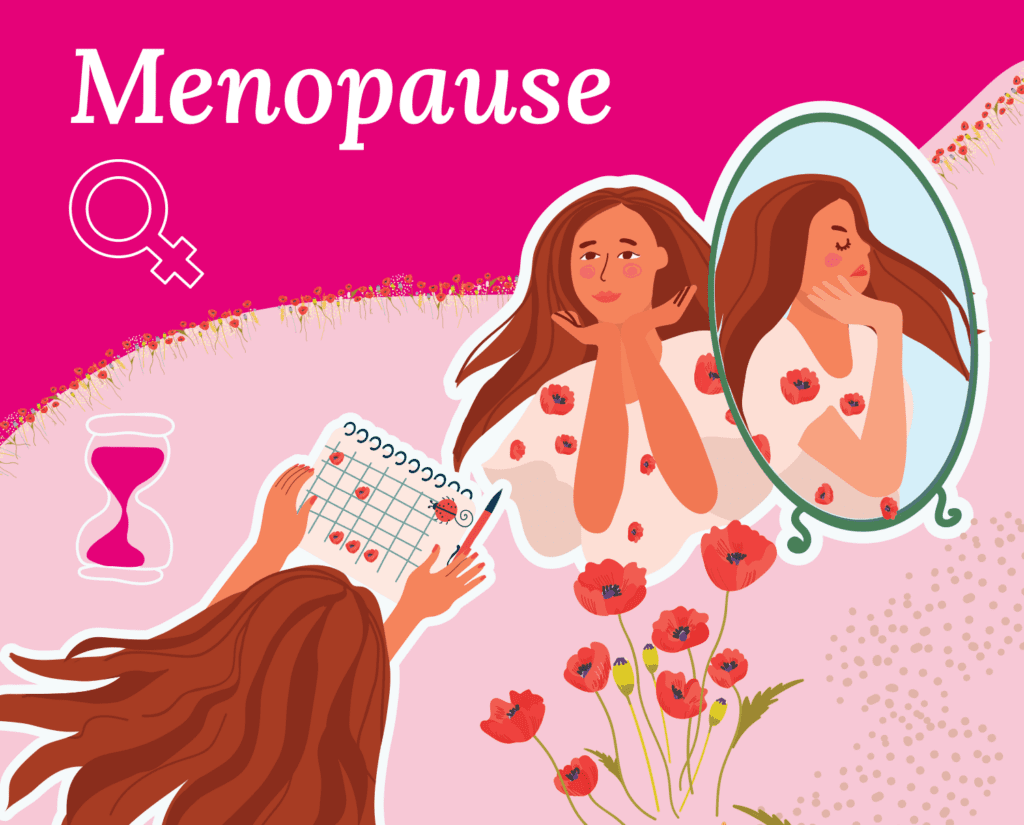
Menopause is a natural stage of life, but for millions of women, its physical and emotional effects can be anything but simple. From relentless hot flushes and sleepless nights to anxiety, low mood and difficulties with concentration, the transition can disrupt daily routines, strain relationships and affect professional lives. As World Menopause Day approaches on October 18, public health experts are calling for greater awareness, stronger support and practical lifestyle changes to help women navigate midlife with confidence.
The Public Health Agency (PHA) is urging women to take a proactive approach to their health during perimenopause, menopause and the years beyond, emphasising that no two experiences are identical. Dr Hannah McCourt, the agency’s health improvement manager, says around eight in ten women report symptoms that can affect their everyday lives, although their severity and duration vary considerably.
For some, menopause brings manageable changes. For others, it can become a prolonged challenge, with night sweats disrupting sleep, fatigue affecting concentration and emotional changes making ordinary responsibilities feel more demanding. Symptoms commonly include hot flushes, sleep disturbances, anxiety, low mood and so-called brain fog, a term used to describe difficulties with memory and concentration.
Yet experts stress that women do not have to navigate these changes without help. Midlife can be an important opportunity to reassess health priorities, establish sustainable habits and seek professional advice before symptoms begin to undermine quality of life.
Regular physical activity is one of the foundations of healthy ageing. Aerobic exercise, such as brisk walking, swimming or cycling, supports cardiovascular health, while strength training helps preserve muscle and maintain physical function. Weight-bearing exercise can also contribute to bone health, an important consideration because declining oestrogen levels during menopause can accelerate bone loss.
Nutrition deserves equal attention. A balanced diet rich in vegetables, fruit, wholegrains and other nutrient-dense foods supports overall health. Adequate calcium and vitamin D are particularly important for maintaining strong bones. Rather than following restrictive diets or relying on unproven supplements, women can benefit from practical, evidence-based nutritional guidance tailored to their needs.
Certain habits may also influence how women experience symptoms. Smoking cessation, moderating alcohol consumption, maintaining a consistent sleep routine and practising stress-management techniques can support general wellbeing. Some women report that caffeine, alcohol or spicy foods trigger hot flushes, although individual responses differ. Recognising personal patterns can be more useful than adopting unnecessary dietary restrictions.
However, lifestyle changes should not be presented as a cure for menopause. Women experiencing persistent or severe symptoms are encouraged to consult their general practitioner, particularly when sleep, mental wellbeing, work or relationships are affected. Depending on their symptoms, preferences and medical history, treatment options may include hormone replacement therapy (HRT), non-hormonal medicines and psychological support. A healthcare professional can help assess the potential benefits and risks of different approaches.
Reliable information is equally important. Conflicting online advice can leave women uncertain about what to eat, which treatments to consider and when to seek medical attention. The Public Health Dietitians Group has developed evidence-based videos to help women understand the relationship between nutrition and menopause, offering practical guidance amid widespread misinformation.
The wider challenge extends beyond individual health choices. Menopause needs to be discussed openly at home, in healthcare settings and in workplaces, where symptoms may affect comfort, concentration and attendance. Better awareness can help reduce stigma and encourage women to seek support without embarrassment.
As World Menopause Day approaches, the message from public health experts is both practical and powerful: women deserve accurate information, compassionate care and the freedom to discuss menopause openly. With appropriate treatment, sustainable lifestyle choices and greater public understanding, this stage of life need not be defined by discomfort or silence. It can instead become an opportunity to protect long-term health, reclaim confidence and approach the years ahead with greater knowledge and support.








+ There are no comments
Add yours