






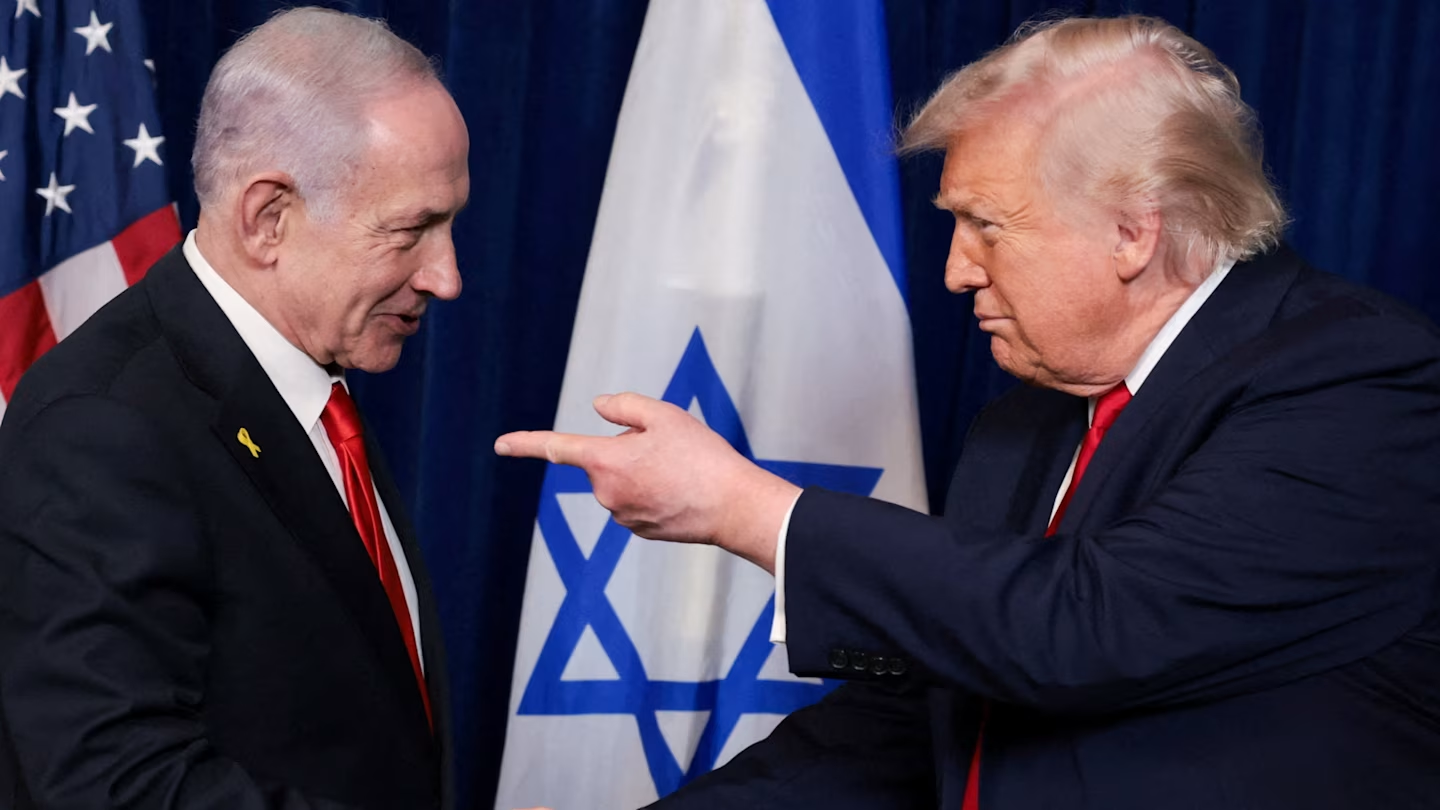
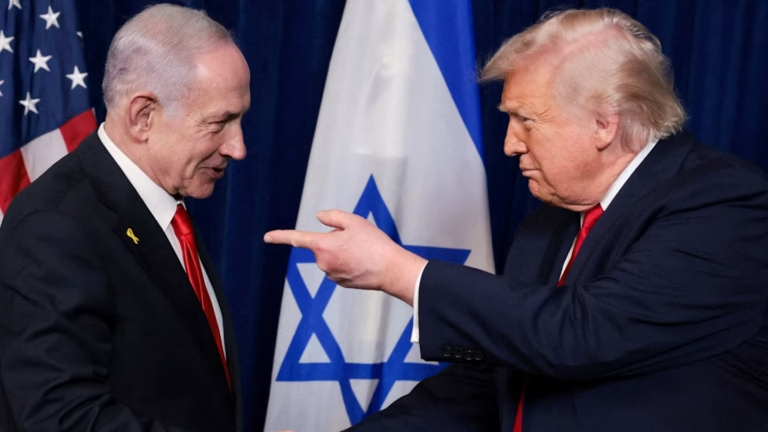
US President Donald Trump has publicly endorsed Israeli Prime Minister Benjamin Netanyahu for re-election, placing the weight of his support behind a longtime ally just days before Israel heads to the polls on October 27. The endorsement comes at a critical moment for Netanyahu, whose leadership has been shaped by years of conflict, mounting domestic criticism and deep uncertainty across the Middle East.
In a statement posted on his Truth Social platform on October 18, Trump praised Netanyahu as a “Great Warrior Prime Minister” and described him as a partner in confronting Iran. He declared his “Complete and Total Endorsement” of Netanyahu’s bid to remain in office, making his position clear ahead of the closely watched parliamentary election.
Trump’s message went beyond a personal expression of confidence. He warned that if Israeli voters chose a different leader, the United States might have to confront Iran without Netanyahu’s cooperation. The statement placed regional security and the future of US-Israeli coordination at the centre of his appeal, presenting Netanyahu as a leader whose continued presence in office would matter to Washington’s approach to the region.
Netanyahu quickly welcomed the endorsement, thanking Trump for his support and highlighting the partnership between the two leaders. For the Israeli prime minister, the backing offers an opportunity to reinforce his long-standing argument that close relations with the White House are essential to Israel’s security. However, the extent to which Trump’s intervention will influence voters remains uncertain.
Israel’s political system makes the election particularly complex. Voters elect members of the Knesset, the country’s parliament, and a government is formed through coalition negotiations. This means that even a party that wins a large share of the vote may struggle to secure the parliamentary support required to govern. The balance among competing parties and their willingness to work together will therefore be crucial in determining who becomes prime minister.
The election is also the first national vote since the Hamas-led attack on Israel on October 7, 2023, which triggered a devastating regional conflict and reshaped Israeli politics. The war and its aftermath have placed questions of national security, military strategy, the future of Gaza and relations with neighbouring countries at the heart of public debate.
Iran remains a central issue in the campaign. The confrontation involving Israel, the United States and Iran has heightened regional instability and contributed to wider economic concerns, including disruption to energy markets. Trump’s endorsement connects Netanyahu’s political future directly to the two countries’ approach to Iran, although the consequences of that strategy remain contested.
The support also comes after periods of tension between Trump and Netanyahu. Despite their longstanding alliance, the leaders have not always agreed over regional strategy, including approaches to Iran and efforts to secure an end to the conflict in Gaza. Trump had withheld an explicit endorsement for months, making his latest declaration a notable development in the final stretch of the campaign.
Netanyahu’s opponents have challenged his leadership and questioned the direction of the country after years of war and political division. His supporters, meanwhile, argue that his experience and relationships with key international leaders are important at a time when Israel faces persistent security threats. The debate reflects a broader question confronting Israeli voters: how to balance security priorities, diplomatic relationships and demands for political change.
Trump’s intervention also highlights the growing willingness of international leaders to take public positions in other countries’ elections. Such endorsements can attract attention and reinforce existing political alliances, but they do not determine how voters will respond. In Israel, where coalition-building can complicate the path from election results to government formation, the final outcome will depend on both the public vote and negotiations among political parties.
As election day approaches, Netanyahu’s campaign will seek to turn Trump’s backing into a demonstration of international support. His rivals will have to make their case to voters concerned about security, governance and the country’s future direction. The endorsement has added another layer to an already consequential contest, but it has not resolved the political uncertainty surrounding it.
The result could shape Israel’s domestic leadership and its relationship with Washington at a time when the Middle East remains unsettled. For now, Trump has made his preference unmistakable. Whether that support translates into a decisive political advantage will be for Israeli voters and the coalition negotiations that follow to determine.






+ There are no comments
Add yours