






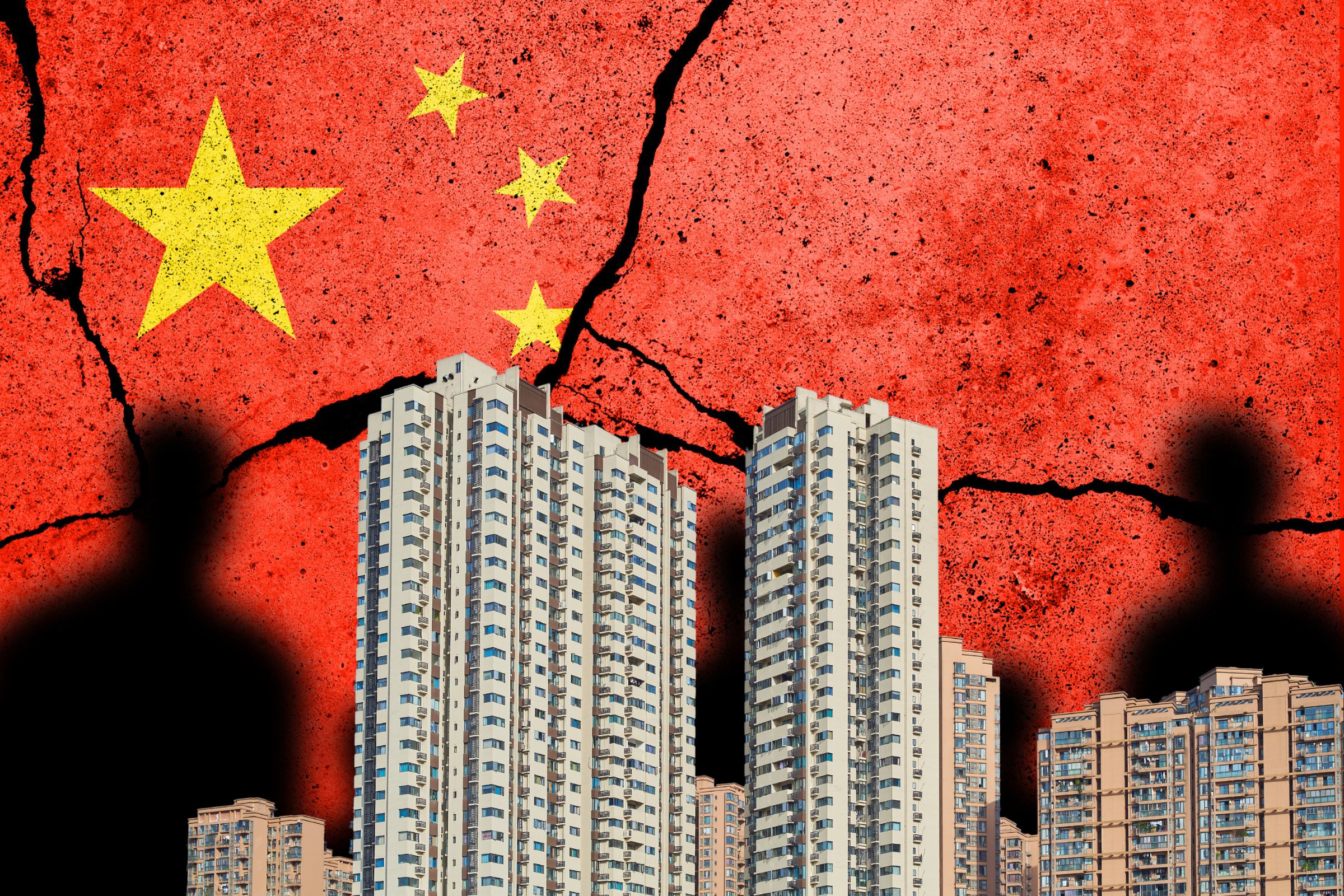
China’s prolonged property-market downturn continues to weigh on the country’s economic outlook, raising concerns about housing demand, developer finances and the wider consequences for Asia’s real estate sector.
Despite government efforts to support the economy through stimulus measures, mortgage assistance and infrastructure spending, the housing market remains under pressure. Weak domestic demand, cautious consumers and sluggish private investment have complicated efforts to restore confidence in one of the world’s largest property markets.
The challenges extend beyond homebuyers and property developers. Real estate has long played an important role in China’s economic growth, supporting construction, employment, household wealth and demand for building materials. A sustained slowdown can therefore affect businesses well beyond the housing industry.
The International Monetary Fund has urged Chinese authorities to consider stronger fiscal support to counter deflationary risks and reinforce domestic demand. It has also highlighted the need to address the property crisis and restore confidence among households.
Economic forecasts point to a gradual slowdown in China’s growth rate. The IMF projected growth of 4.5 per cent in 2026, down from 5 per cent in 2025, with further moderation expected in 2027. Weak household spending and an incomplete recovery in domestic demand remain important concerns.
For the property sector, the central problem is confidence. Prospective buyers may postpone purchases when they are uncertain about future income, property values or the financial stability of developers. At the same time, developers facing weak sales can struggle to secure funding, complete projects and reduce unsold housing inventories.
These pressures can reinforce one another. Lower sales reduce cash flow for developers, while concerns about unfinished developments or falling prices can make buyers more cautious. Restoring confidence therefore requires more than short-term financial assistance; it also depends on credible project completion, stable market conditions and policies that address the concerns of households.
Chinese authorities have introduced measures intended to support housing demand and ease financial pressure. However, analysts have cautioned that the market’s structural problems will take time to resolve. Policies designed to encourage purchases may have limited impact if households remain reluctant to commit to major financial obligations.
The consequences are also relevant to the wider Asian real estate market. China’s construction industry has traditionally generated demand for commodities, equipment and building materials from across the region. A prolonged downturn can affect suppliers, investors and businesses whose performance is connected to Chinese construction activity.
Meanwhile, other Asian property markets are experiencing different conditions. Singapore’s private residential property price index rose by 1.4 per cent in the third quarter of 2026, according to preliminary government figures released on 1 October. The increase followed a 0.5 per cent rise in the previous quarter, although transaction volumes fell by approximately 30 per cent quarter on quarter.
Singapore’s figures illustrate how property prices and sales activity can move in different directions. Rising prices do not necessarily indicate stronger transaction volumes, while falling sales do not automatically mean that property values are declining.
The Singapore government has also maintained a substantial pipeline of private housing supply through its land sales programme. The aim is to meet demand while supporting market stability, although future price movements will depend on economic conditions, borrowing costs and the balance between buyers and available homes.
Across Asia-Pacific, commercial property investment is also changing. Investors have continued to target selected markets and premium assets, even as higher borrowing costs increase the expense of financing acquisitions. Recent industry analysis has pointed to greater concentration of investment among a relatively small group of large buyers, particularly in major office buildings, portfolios and data centres.
This uneven pattern suggests that the region’s real estate sector cannot be described as moving in a single direction. Some markets and property categories continue to attract substantial capital, while others face weaker demand, financing challenges or oversupply.
For investors, the distinction between residential and commercial property is increasingly important. Housing markets depend heavily on affordability, household confidence and mortgage conditions. Commercial assets, meanwhile, are influenced by rental income, business demand, financing costs and expectations about future economic growth.
The outlook for Asian real estate will also depend on wider economic developments, including inflation, interest rates and trade policy. Higher financing costs can discourage property purchases and development, while economic uncertainty may encourage investors to concentrate on assets and locations they consider more resilient.
For China, a sustained recovery in housing confidence would help reduce pressure on developers and support broader domestic demand. Yet a lasting improvement is likely to require a combination of financial stability, completed housing projects and stronger confidence among households.
The coming months will provide further evidence of whether stimulus measures can generate a more durable recovery. Market participants will be watching housing sales, prices, developer financing and construction activity for signs that the downturn is easing.
For now, China’s property difficulties remain an important economic issue for the region. The experience of other Asian markets shows that local conditions can differ significantly, but the broader lesson is clear: real estate performance depends not only on prices and investment flows, but also on confidence, affordability and the strength of the wider economy.








+ There are no comments
Add yours