






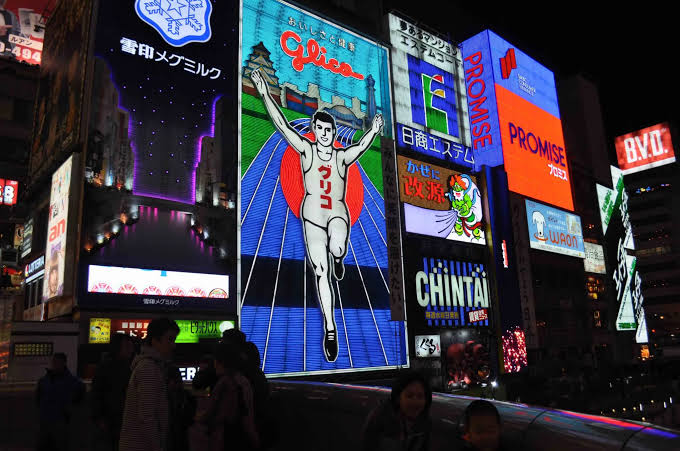
One of Japan’s most recognisable urban landmarks is preparing for a major transformation. Osaka’s famous Glico Running Man sign, the illuminated figure that has welcomed visitors to the bustling Dotonbori district for decades, will be switched off at the end of November ahead of a new version scheduled to debut in spring 2027.
The announcement has attracted attention from travellers and fans of Japanese popular culture, as the sign has become much more than an advertisement for a confectionery brand. For generations of visitors, the runner with both arms raised in celebration has represented the energy, excitement and unmistakable character of Osaka.
Japanese confectionery company Ezaki Glico announced on 14 October that the current, sixth-generation sign would be displayed for the final time on 30 November 2026. Renovation work is scheduled to begin in December, with the seventh-generation version expected to be unveiled in spring 2027.
The familiar running figure is expected to remain at the centre of the design, although the company has not yet revealed the complete appearance of the replacement. The upgrade is intended to bring the landmark’s lighting technology into a new era while preserving the image that has made it famous around the world.
First installed in March 1935 near the Ebisubashi Bridge in Dotonbori, the original Glico sign was created as part of the company’s advertising efforts for its confectionery products. Over the following decades, successive versions evolved alongside changes in advertising technology, urban design and the city’s commercial landscape.
The current sign was installed in October 2014, making the planned renovation the first major replacement in approximately 12 and a half years. It measures about 20 metres high and 10.38 metres wide, and its display incorporates approximately 144,000 LED chips that allow its background to change and produce colourful visual effects.
Unlike a conventional static billboard, the Glico sign has become part of the wider Dotonbori experience. The illuminated runner overlooks a busy canal lined with restaurants, shops, entertainment venues and other brightly lit advertisements. Visitors regularly gather along the bridge to photograph the sign or recreate the runner’s triumphant pose, turning a commercial display into one of Osaka’s most recognisable tourist attractions.
The landmark’s longevity also reflects the importance of familiar cultural symbols in international tourism. Travellers often associate particular images with a destination before they arrive, and the Glico runner has become one of the defining visual symbols of Osaka, appearing in travel photographs, guidebooks and social media posts.
For many visitors, seeing the sign in person is a simple but memorable part of exploring the city. Its location in the heart of Dotonbori makes it easy to combine a photograph with a walk along the canal, a visit to nearby shopping streets or an evening sampling Osaka’s celebrated street food.
The upcoming renovation is partly driven by practical considerations. Reports on the announcement indicate that the existing LED system is ageing and replacement components have become increasingly difficult to obtain. Updating the equipment is expected to improve energy efficiency and provide more reliable technology for the landmark’s next chapter.
During the construction period, the billboard will be covered. This means visitors arriving in Osaka in December or during the following months may not see the familiar illuminated runner in its usual form. The company has indicated that it is considering ways to maintain visitor interest in the location while the work takes place.
The temporary disappearance of such a recognisable feature could also create an unusual moment for travellers who have long planned to photograph the existing sign. Visitors hoping to see the sixth-generation version should therefore consider visiting before the end of November, while recognising that the timing of any visit should be checked against the company’s latest announcements.
The redesign is not expected to erase the sign’s most familiar feature. Glico has said the running figure will continue, reinforcing the company’s intention to modernise the display without abandoning the image that has connected successive generations of visitors with the brand.
The transition also highlights how Japanese cities continually update their public spaces while retaining elements of their history. In a district as visually distinctive as Dotonbori, illuminated signs are part of the local identity, combining commercial advertising with entertainment, architecture and everyday urban life.
For tourism businesses in Osaka, the landmark’s return in 2027 will provide another opportunity to attract visitors to the area. Restaurants, shops and sightseeing operators benefit from the district’s international reputation, and familiar attractions help encourage travellers to include it in their itineraries.
However, the significance of the Glico sign extends beyond its commercial value. Its endurance since 1935 has made it a visual link between Osaka’s past and present, surviving generations of technological change while maintaining a recognisable place in the city’s collective memory.
The seventh-generation sign is expected to continue that tradition when it arrives next spring. Until then, the retirement of the current display marks the end of an era for one of Japan’s most photographed urban landmarks.
For visitors, the message is straightforward: Osaka’s famous runner is taking a temporary break, not disappearing forever. When the lights return in 2027, the landmark is expected to begin another chapter in its long history, preserving its signature pose while introducing a refreshed visual experience to the millions of people who visit Dotonbori.
As Osaka prepares for the change, the Glico runner’s story demonstrates how a simple advertising image can grow into something far more enduring: a symbol of a city, a favourite stop for international travellers and a familiar sight that continues to inspire photographs long after its original commercial purpose has been fulfilled.








+ There are no comments
Add yours