






From ancient palaces and traditional villages to neon-lit streets, world-famous cuisine and breathtaking landscapes, South Korea offers travellers a destination where centuries of history meet the excitement of modern life. Increasingly popular among international visitors, the country invites travellers to experience not just its famous entertainment culture, but also its traditions, flavours and everyday way of life.
For those dreaming of a holiday filled with discovery, South Korea offers an extraordinary combination of cultural heritage, urban adventure and natural beauty.
Seoul, the country’s energetic capital, is the perfect place to begin. The city’s skyline is filled with modern skyscrapers, stylish shopping districts and bustling cafés, yet its historic heart remains remarkably well preserved. At Gyeongbokgung Palace, visitors can explore grand courtyards, elegant traditional architecture and beautiful gardens that recall the royal era of the Joseon dynasty. Travellers who rent a hanbok, Korea’s traditional clothing, can experience the palace surroundings in an especially memorable way.
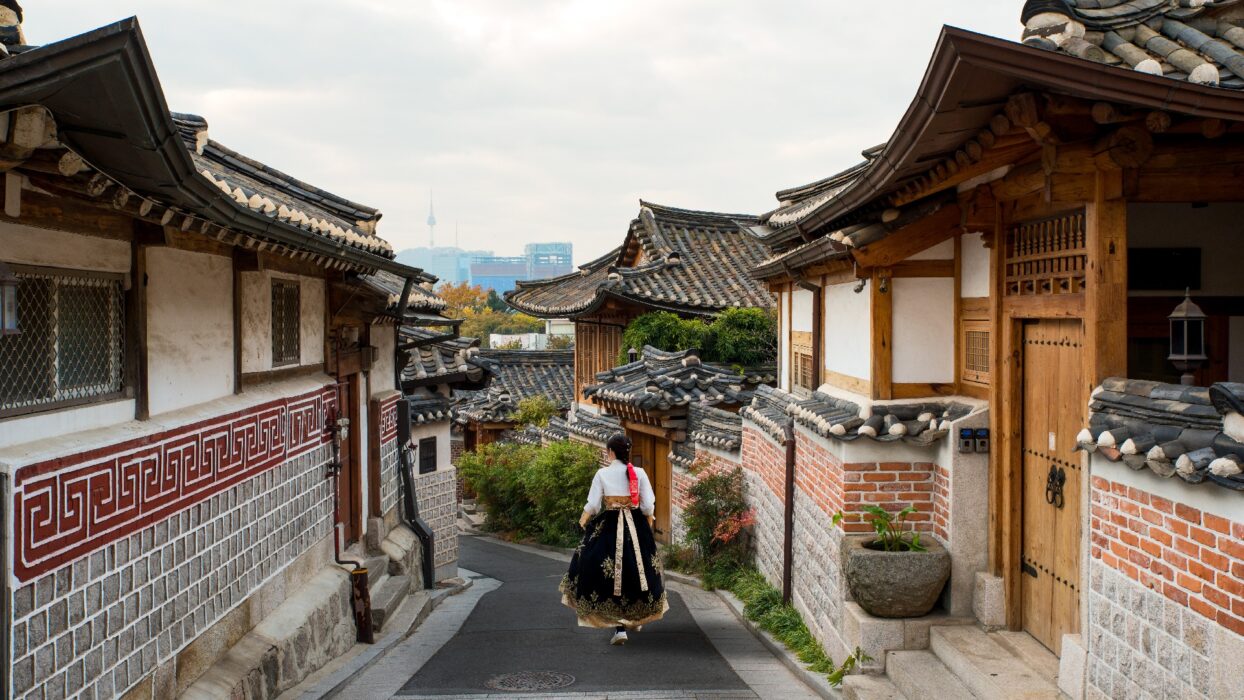
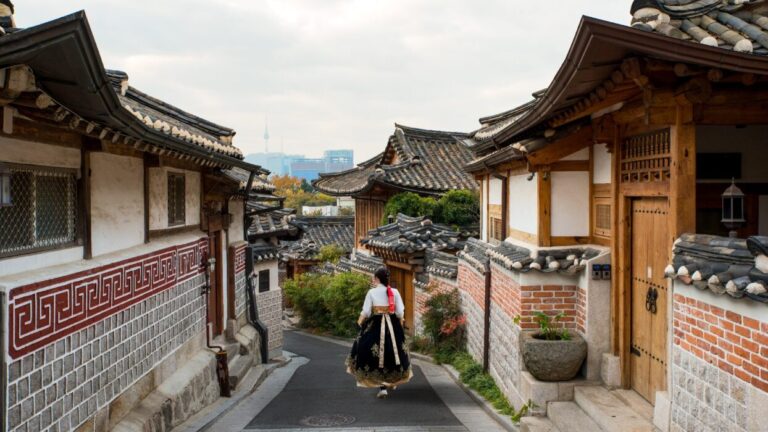
A short distance away, Bukchon Hanok Village offers a glimpse into traditional Korean life. Its narrow lanes are lined with hanok houses featuring curved tiled roofs and wooden structures. The neighbourhood provides a striking contrast to Seoul’s modern skyline, allowing visitors to discover the quieter side of the capital. Visitors should remember that it remains a residential area and respect local residents by keeping noise low.
Food is another essential part of the Korean travel experience. From sizzling Korean barbecue and comforting bowls of bibimbap to spicy tteokbokki and freshly prepared street snacks, the country’s cuisine offers something for every adventurous eater. Traditional markets such as Gwangjang Market in Seoul allow visitors to sample local specialities while experiencing the lively atmosphere of everyday Korean life.
South Korea’s cultural appeal extends far beyond Seoul. In Gyeongju, often described as a museum without walls, ancient temples, royal tombs and historical sites reveal the legacy of the Silla kingdom. Meanwhile, Busan offers a different atmosphere, combining sandy beaches, colourful hillside neighbourhoods, seafood markets and scenic coastal walks. Jeju Island, known for its volcanic landscapes, waterfalls and dramatic shorelines, provides a peaceful escape for travellers seeking nature and relaxation.
Modern Korean culture adds another dimension to the journey. K-pop, Korean dramas, beauty products and fashion have attracted a global audience, inspiring many visitors to explore the places they have seen on screen. Trendy cafés, independent boutiques and contemporary art spaces demonstrate how South Korea continues to shape international lifestyle trends while maintaining a strong connection to its cultural roots.
Travellers can make their experience even more meaningful by learning a few Korean phrases, using public transport and exploring neighbourhoods beyond the major tourist attractions. Spring and autumn are often comfortable seasons for sightseeing, while summer brings warmer weather and monsoon rains, and winter offers cold temperatures and opportunities for snow-related activities.
Ultimately, South Korea is more than a destination for photographs or popular cultural attractions. It is a country of contrasts, where ancient traditions coexist with modern ambitions and where every city offers a different story. For travellers seeking history, food, fashion, nature and authentic cultural experiences, South Korea promises a journey that can be both exciting and deeply memorable.








+ There are no comments
Add yours