







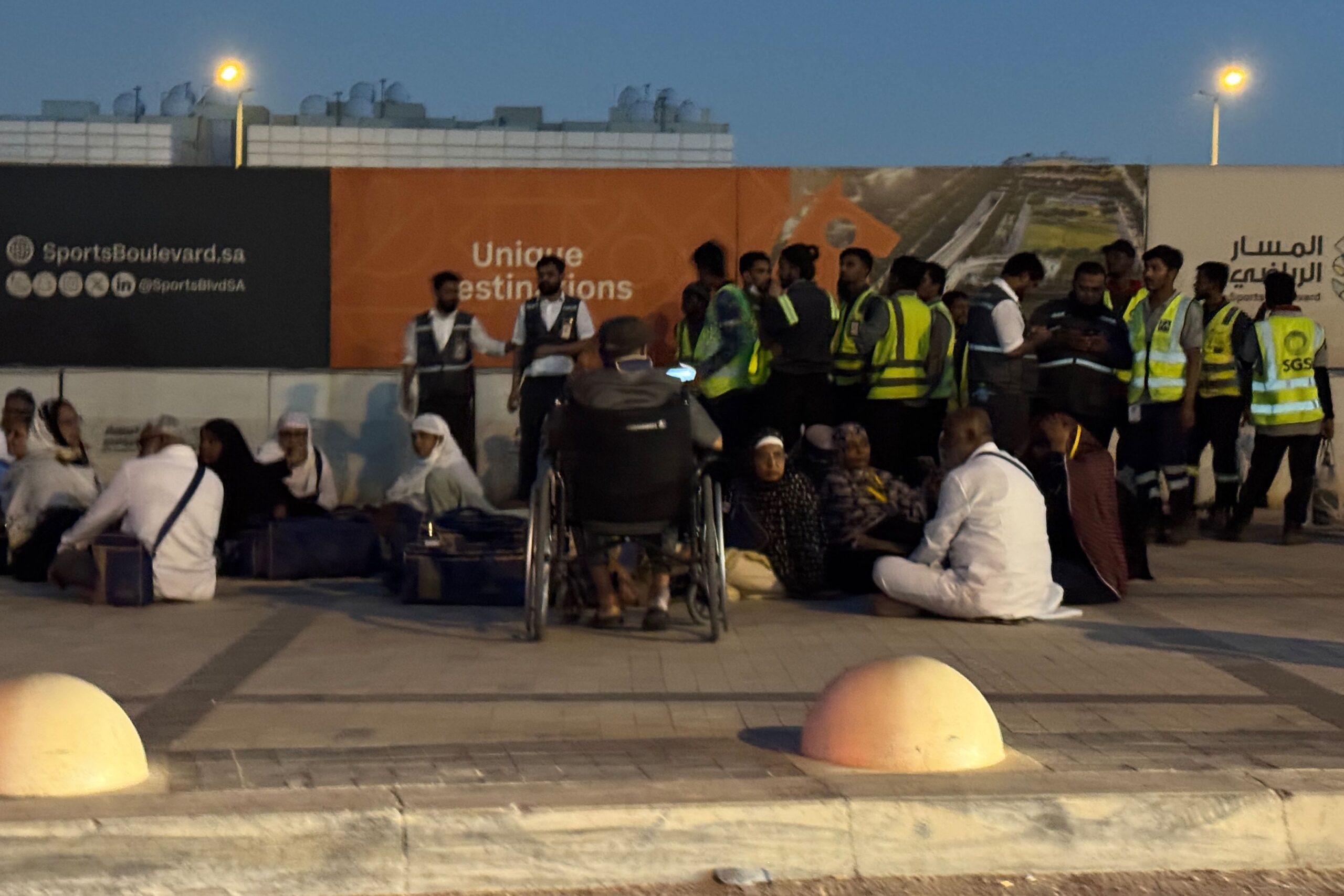
A wave of deadly attacks on Saudi Arabia’s international airport has triggered a strong regional response, with Turkey, Pakistan, Egypt and Saudi Arabia condemning the strikes and warning that the escalating violence threatens civilian safety and regional stability.
In a joint statement on Monday, the four countries described the attacks by Yemen’s Iran-backed Houthi militants as a “dangerous escalation that cannot be justified or accepted under any pretext,” underscoring growing concern over the security implications of the assaults.
Saudi authorities reported that one person was killed and nearly a dozen others injured in a fresh attack on Riyadh’s international airport on Sunday. The incident came a day after another strike claimed by the Houthis killed 13 people and wounded more than 300, marking a significant escalation in the attacks on the Saudi capital.
The repeated strikes have raised concerns about the vulnerability of critical civilian infrastructure and the potential consequences for international aviation. Riyadh’s airport is a major regional transport hub, connecting Saudi Arabia with destinations across the Middle East, Asia, Europe and beyond.
The condemnation from Turkey, Pakistan and Egypt signals broader regional opposition to attacks that threaten civilian lives and risk widening an already volatile conflict. Their joint position also places renewed diplomatic pressure on the Houthis to halt further assaults.
Saudi Arabia faces the immediate challenge of protecting its population and critical infrastructure while preventing the attacks from triggering a wider military confrontation. Any escalation could complicate regional diplomacy and increase uncertainty for businesses, airlines and travellers operating across the Middle East.
The involvement of the Houthis, who have long been engaged in conflict with Yemen’s internationally recognised government and have repeatedly threatened targets in neighbouring countries, adds another layer of complexity to regional security efforts.
The latest violence also highlights the growing risks facing civilian infrastructure during conflicts in which airports, energy facilities and transport networks can become strategic targets. Such attacks can have consequences well beyond the immediate area, disrupting travel, trade and economic confidence.
With casualties mounting and regional governments issuing increasingly forceful warnings, the pressure is growing for measures to prevent further attacks and contain the confrontation.
Whether diplomatic condemnation can deter additional strikes remains uncertain. For Saudi Arabia and its regional partners, the immediate priority is to protect civilians and prevent a dangerous escalation from developing into a broader regional crisis.








+ There are no comments
Add yours