







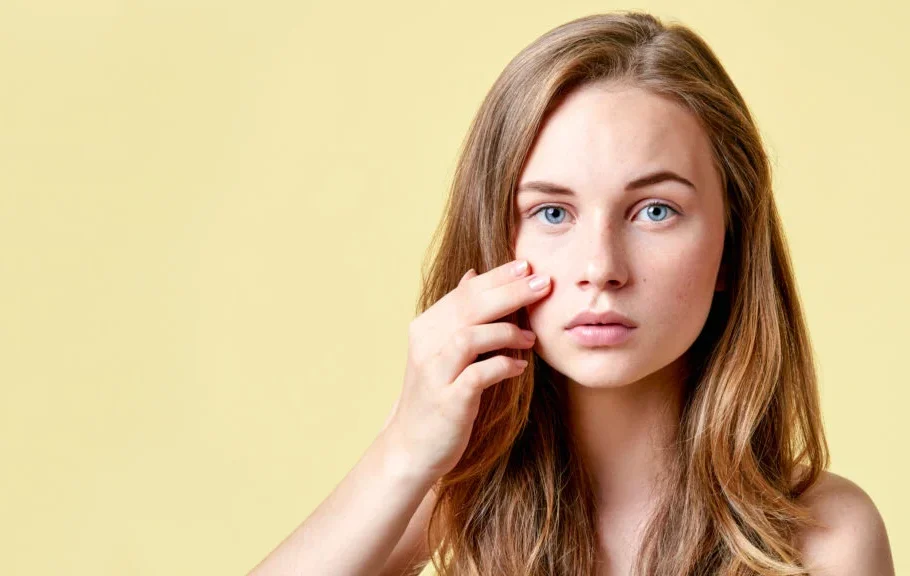
Social media has turned flawless skin into a teenage obsession, with influencers promoting elaborate skincare routines, expensive products and the promise of a perfect complexion. But dermatologists are warning that the pursuit of so-called “glass skin” may be creating unrealistic expectations and encouraging young people to do far more to their skin than they actually need.
More than 80% of teenagers aged 13 to 18 experience acne, making spots, blackheads and oily skin a common part of adolescence. Yet on platforms filled with filtered photographs and carefully edited videos, normal skin imperfections can appear like problems that must be eliminated.
The pressure is particularly visible in “Get Ready With Me” videos, where influencers showcase lengthy routines featuring cleansers, exfoliants, serums, masks and moisturisers. For impressionable teenagers, these videos can create the impression that healthy skin requires a growing collection of products and a complicated daily ritual.
Dermatologists say the reality is much simpler.
During puberty, hormonal changes, including rising testosterone levels, stimulate oil production and contribute to blocked pores and acne. These changes are a normal part of development, although their severity varies from person to person.
Consultant dermatologist Dr Jonathan Kentley has warned that the relentless promotion of unrealistic beauty standards can leave young people feeling that perfectly smooth skin is both normal and necessary. In reality, visible pores, redness, pigmentation, blackheads and occasional blemishes are common features of human skin.
Trying to eliminate every imperfection can also backfire. Excessive exfoliation, harsh cleansers and the use of multiple active ingredients may irritate the skin, damage its protective barrier and worsen redness or breakouts. Expensive products are not automatically more effective, and a routine designed for an adult’s skin concerns may not be appropriate for a teenager.
For most teenagers, a basic routine is a sensible starting point: a gentle cleanser, a non-comedogenic moisturiser and broad-spectrum sunscreen during the day. Products should be introduced gradually, while persistent or severe acne may require advice from a healthcare professional or dermatologist.
The message is not that teenagers should ignore their skin, but that they should understand it rather than fight every natural feature.
As beauty trends continue to spread across social media, experts are urging young people to recognise the difference between healthy skincare and the pursuit of an impossible ideal.
Healthy skin does not need to look filtered. And for teenagers navigating puberty, confidence may begin with understanding that perfection was never the goal.










+ There are no comments
Add yours