







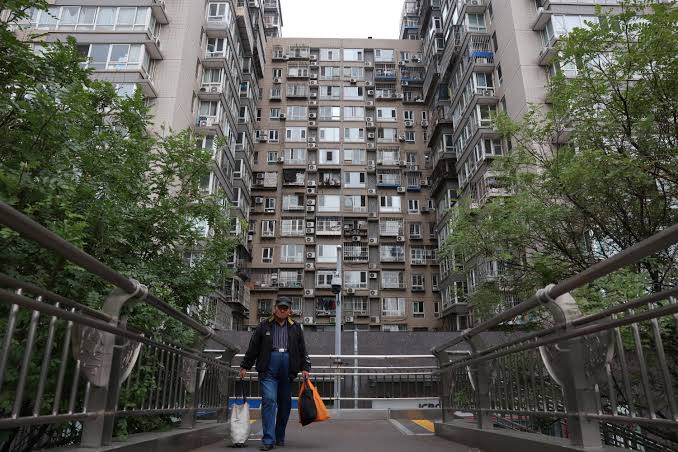
China is turning to mortgage relief in a renewed effort to revive its struggling property market, as policymakers seek to restore homebuyer confidence and ease pressure on a sector that has remained a major drag on the country’s economic recovery.
A new mortgage-interest subsidy is being rolled out to eligible homebuyers, with banks stepping up efforts to implement the measures, according to a report published on Monday. The initiative reflects Beijing’s continuing attempts to encourage housing demand after years of falling confidence, financial distress among developers and uncertainty over property values.
The stakes are significant. China’s property industry has traditionally played a central role in economic growth, supporting construction, employment, household wealth and demand for materials ranging from steel to cement. Prolonged weakness in the sector has therefore affected businesses and consumers well beyond the housing market itself.
For prospective buyers, lower mortgage costs could make homeownership more affordable by reducing monthly repayment burdens. The policy may also encourage households that have delayed purchasing decisions to reconsider entering the market.
However, the challenge facing policymakers extends beyond borrowing costs. Buyers must also feel confident that property prices will stabilise, developers can complete promised homes and the wider economy will provide sufficient security for long-term financial commitments.
China’s property downturn has exposed deep structural problems, including excessive developer debt, unsold housing inventory and weakened confidence following the collapse of major companies. Financial assistance may provide relief, but restoring sustainable demand will require more than cheaper mortgages alone.
The effectiveness of the latest measures will depend on their reach, the level of savings they deliver to eligible households and whether improved affordability translates into actual purchases. A policy that lowers financing costs without restoring confidence may struggle to generate a lasting recovery.
For developers, lenders and investors, the coming months will offer important evidence of whether government support can stabilise housing demand or whether the market remains trapped in a prolonged adjustment.
China’s latest intervention underscores the urgency of the challenge facing policymakers: reviving property activity without reigniting the excessive borrowing and speculative investment that contributed to the crisis.
The objective is clear, but the outcome remains uncertain. China’s housing recovery will ultimately depend not only on the cost of buying a home, but also on whether households believe that investing in one is a secure decision for the future.









+ There are no comments
Add yours