






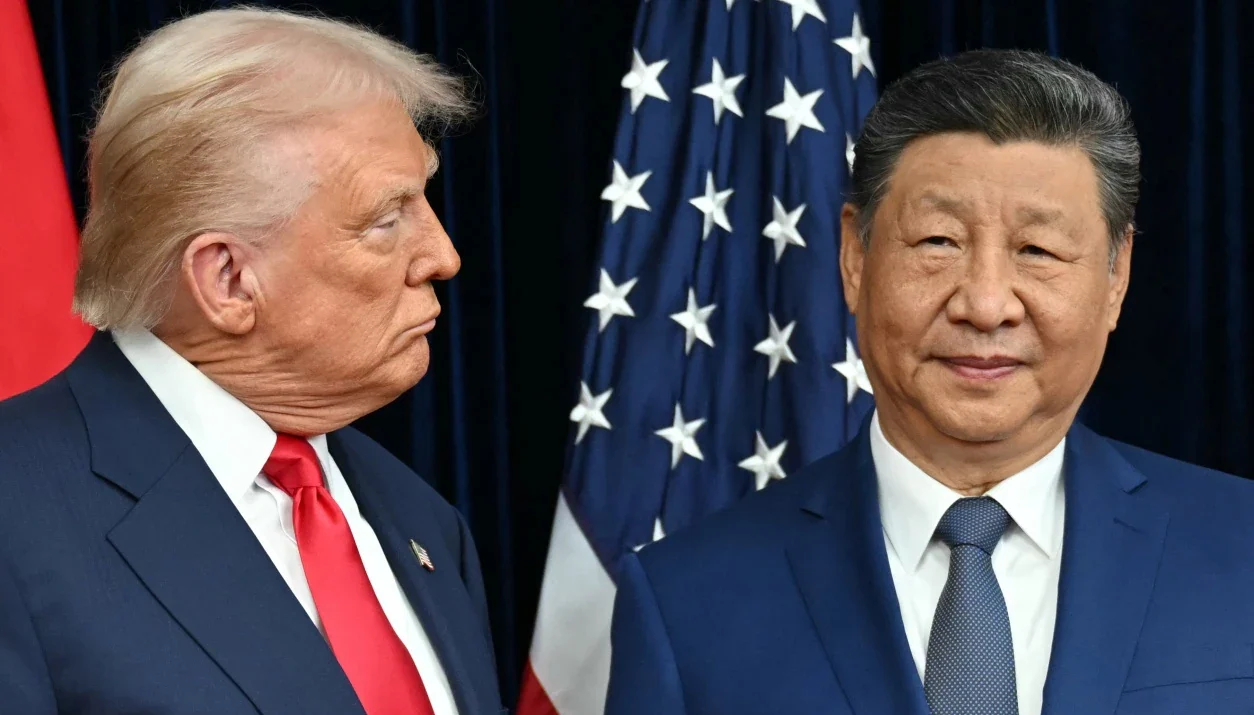
China’s economy has long demonstrated resilience under pressure, successfully absorbing the impact of tariffs imposed during Donald Trump’s presidency. Through a combination of strong exports, industrial strength, and strategic policy support, the country managed to stabilise growth despite years of trade tensions with the United States.
However, a new and more unpredictable challenge is beginning to emerge. The ongoing war involving Iran is now casting a shadow over China’s economic outlook, threatening to disrupt the stability it worked hard to maintain.
Unlike tariffs, which China could counter through trade adjustments and domestic policy measures, the effects of war are far more complex and difficult to control. Rising global oil prices have increased costs for Chinese industries, placing pressure on manufacturing and transport sectors. As one of the world’s largest importers of energy, China is particularly vulnerable to supply disruptions and price volatility.
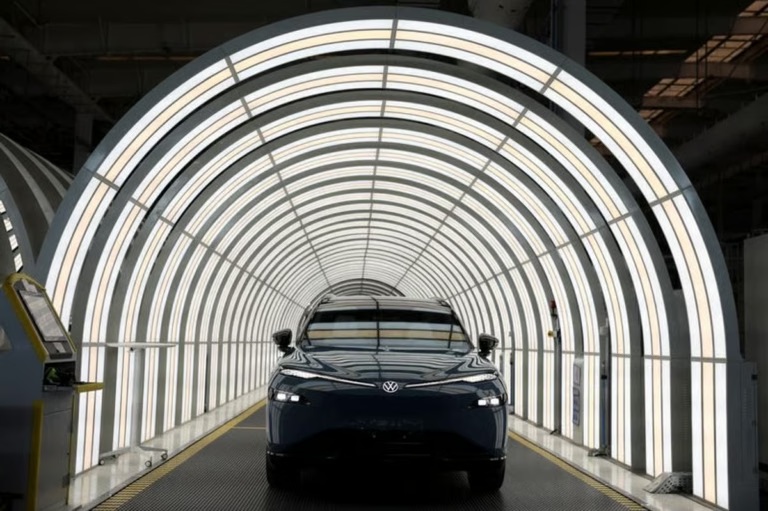
At the same time, uncertainty in global markets is beginning to weigh on demand. Slower economic activity in key regions is reducing appetite for exports, a sector that has been central to China’s recent growth. This shift is exposing a critical weakness in the country’s economic model, which remains heavily dependent on external demand.
Domestically, the situation adds to existing pressures. Consumer spending has remained subdued, and ongoing difficulties in the property sector continue to limit broader economic momentum. These challenges reduce China’s ability to offset external shocks through internal growth.
The contrast between past and present pressures is becoming increasingly clear. While tariffs represented a direct but manageable economic confrontation, the broader consequences of geopolitical conflict are far less predictable and potentially more damaging.
For now, China’s economy appears stable on the surface, supported by policy measures and export strength. But as the effects of the Iran conflict deepen, the risks are building. What once seemed like a test of endurance against tariffs is now evolving into a far more uncertain economic challenge shaped by global instability.







+ There are no comments
Add yours