







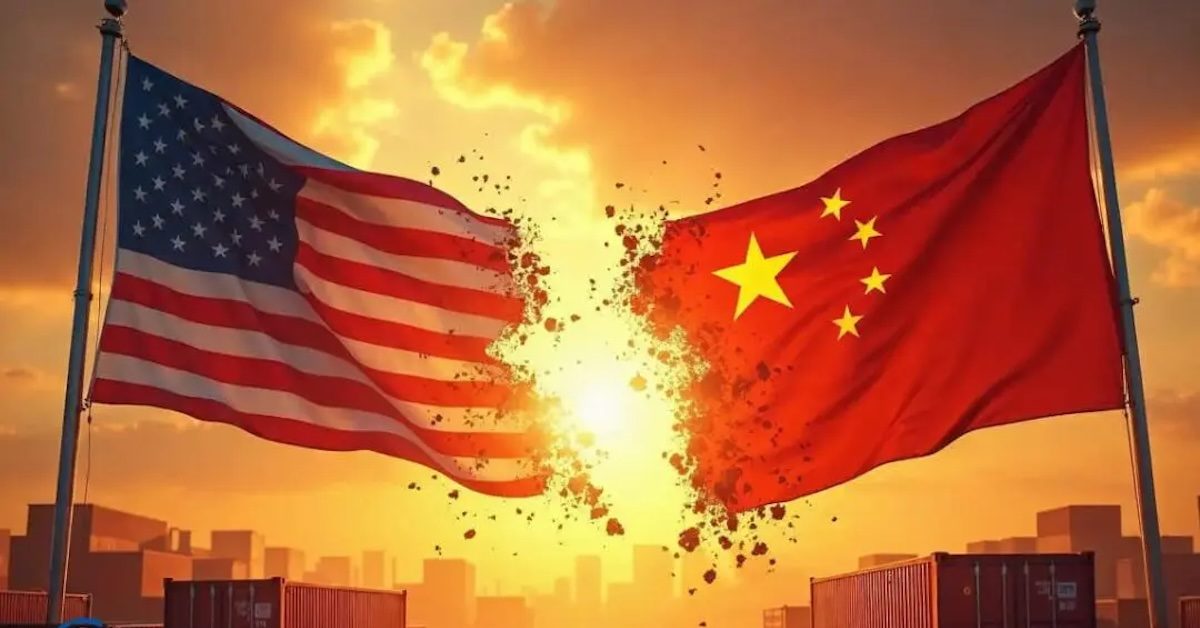
Tensions between the United States and China are rising once again as both countries push competing strategies to secure global supply chains and strengthen their economic positions.
Recent policy moves from Washington have focused on reducing reliance on Chinese exports, particularly in critical sectors such as minerals, manufacturing, and technology. U.S. officials are encouraging allied nations to diversify supply sources, a shift that analysts say could reshape global trade patterns.
In response, China has signaled its intent to protect its economic interests and maintain its central role in global manufacturing. Chinese officials have emphasized the importance of stable trade relations but have also warned against what they describe as “protectionist measures.”
A key area of concern is the growing dispute over trade rules and sourcing requirements, often referred to as “rules of origin.” These regulations determine where products are considered to be made and can significantly impact tariffs and market access. Experts say disagreements in this area are increasingly placing pressure on countries in Asia that trade with both global powers.
Despite the tensions, trade between the two nations continues at a significant scale, highlighting the deep economic ties that make a full separation unlikely in the near term. However, businesses are already adjusting strategies, shifting production, and exploring new markets to reduce risk.
Global markets have reacted cautiously to the developments, with investors closely monitoring signals from both governments. Economists warn that prolonged uncertainty could slow international trade and affect economic growth worldwide.
As competition intensifies, both the United States and China appear committed to defending their economic interests, setting the stage for continued friction in the global trading system.








+ There are no comments
Add yours