







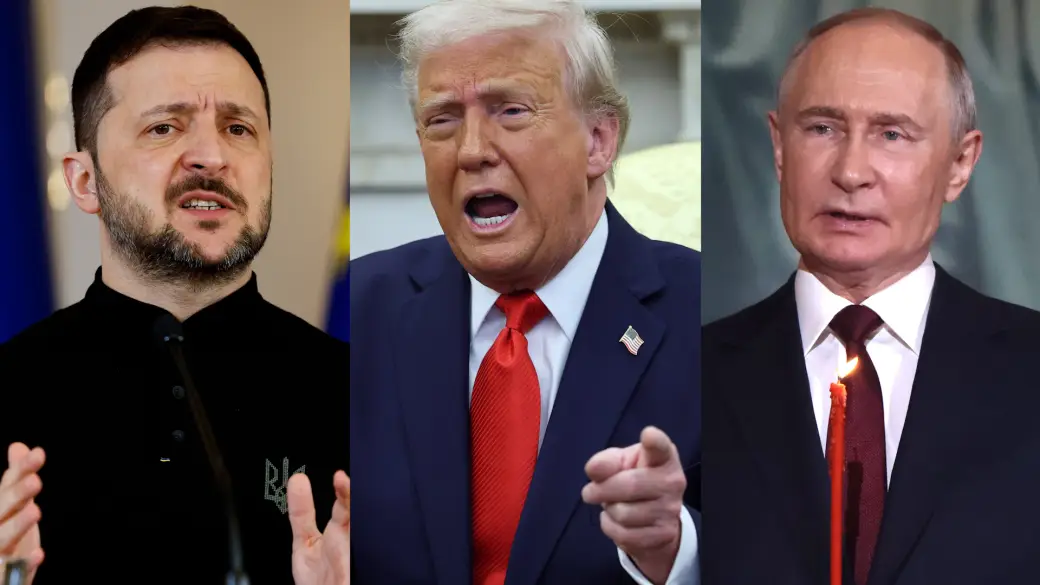
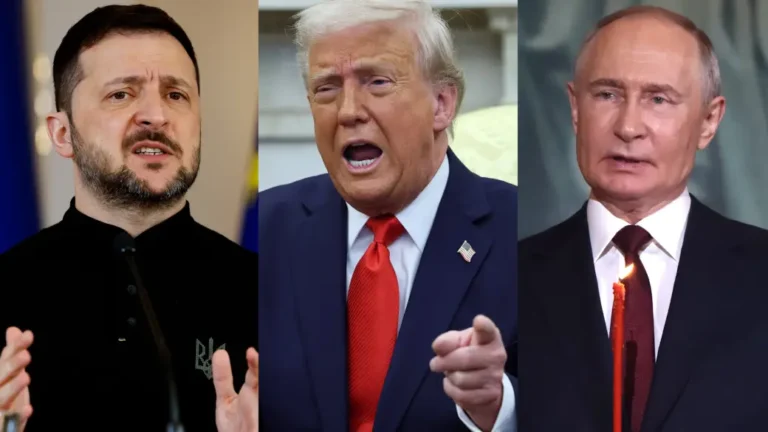
A new diplomatic confrontation has erupted between Washington and Kyiv after U.S. President Donald Trump announced an immediate energy ceasefire between Russia and Ukraine, only for Ukrainian President Volodymyr Zelenskyy to say the agreement was news to him.
Trump declared on social media on Sunday that both countries had agreed to stop attacks on energy infrastructure, but provided few details about the terms or how the arrangement would be enforced. The Kremlin had not immediately confirmed the agreement, leaving its status uncertain.
Zelenskyy said Ukraine was prepared to support the ceasefire if Russia also halted its attacks. However, he reported that Russian forces continued striking Ukrainian energy facilities, including infrastructure in the northeastern city of Kharkiv, despite Trump’s announcement.
The episode has exposed a significant communication gap between the U.S. president and Ukraine’s leadership at a critical moment in efforts to end the war.
Tensions had already escalated after Trump announced a deal with Russian President Vladimir Putin to increase supplies of Russian diesel to American and global markets. Washington’s move to ease certain sanctions to facilitate fuel supplies drew criticism from Kyiv, which argued that allowing Russia to generate additional energy revenue could help finance its war effort.
Trump has also criticised Ukraine’s attacks on Russian oil refineries, linking them to pressure on fuel prices. Zelenskyy, meanwhile, has insisted that Kyiv should not be expected to stop targeting Russian energy infrastructure while Moscow continues striking Ukrainian facilities.
The disagreement highlights the competing priorities shaping the conflict: Washington is seeking to reduce energy costs and demonstrate diplomatic progress, while Kyiv is demanding reciprocal commitments and credible guarantees against further Russian attacks.
For Ukraine, an energy ceasefire could offer relief to civilians facing repeated damage to power and heating infrastructure. But without clear terms, mutual confirmation and an effective monitoring mechanism, its practical value remains uncertain.
The immediate question is whether Trump’s announcement can become a genuine agreement or will deepen mistrust between allies already divided over how to end the war.
For now, the conflicting messages underline a fundamental challenge for peace efforts: a ceasefire cannot hold on the strength of an announcement alone. It requires both sides to agree, comply and demonstrate that the guns have genuinely fallen silent.







+ There are no comments
Add yours