







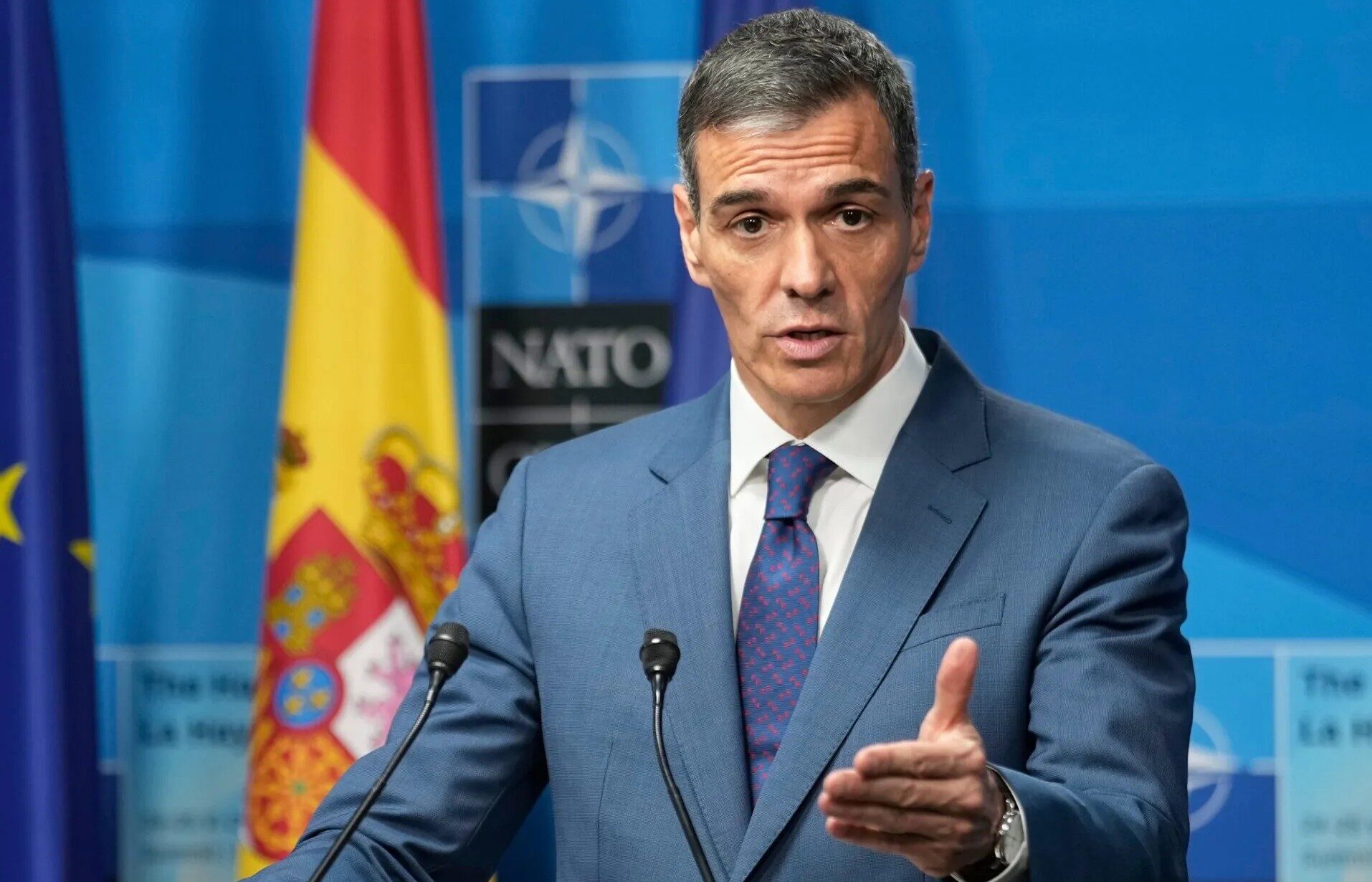
Tensions within the NATO alliance have come under renewed scrutiny following reports that the United States may have considered punitive measures against Spain. The situation has prompted a firm response from several European allies, highlighting both the challenges and resilience of transatlantic cooperation.
The controversy emerged after a reported internal communication suggested that Washington was frustrated with Spain’s stance on recent geopolitical developments. According to the report, the United States allegedly explored options to pressure Spain, even raising the possibility of limiting its role within NATO. While such a move would be highly unusual and difficult to implement under NATO’s framework, the mere suggestion sparked concern across Europe.
Spain has maintained that its policies are consistent with its national interests and its commitments as a NATO member. Spanish officials have emphasized the importance of diplomatic independence while continuing to support the alliance’s broader goals.
In response, key European nations including Germany, Italy, and the Netherlands have voiced strong support for Spain. These countries stressed that unity and mutual respect are essential to NATO’s effectiveness, particularly at a time of increasing global uncertainty. Public disagreements, they warned, risk undermining the alliance’s credibility and cohesion.
Analysts suggest that the incident reflects deeper tensions within NATO, where differing political priorities and regional concerns can sometimes lead to friction. However, they also note that such disagreements are not new and are often resolved through dialogue and compromise.
The episode serves as a reminder that NATO, while a powerful military alliance, is also a political partnership built on trust. Maintaining that trust requires careful diplomacy, especially among its most influential members.
Despite the disagreement, there is little indication that the alliance is facing any immediate structural crisis. Instead, the response from European allies demonstrates a commitment to collective decision-making and solidarity.
As global challenges continue to evolve, NATO’s ability to manage internal differences will remain crucial. For now, the alliance appears determined to present a united front even in the face of internal debate.










+ There are no comments
Add yours