






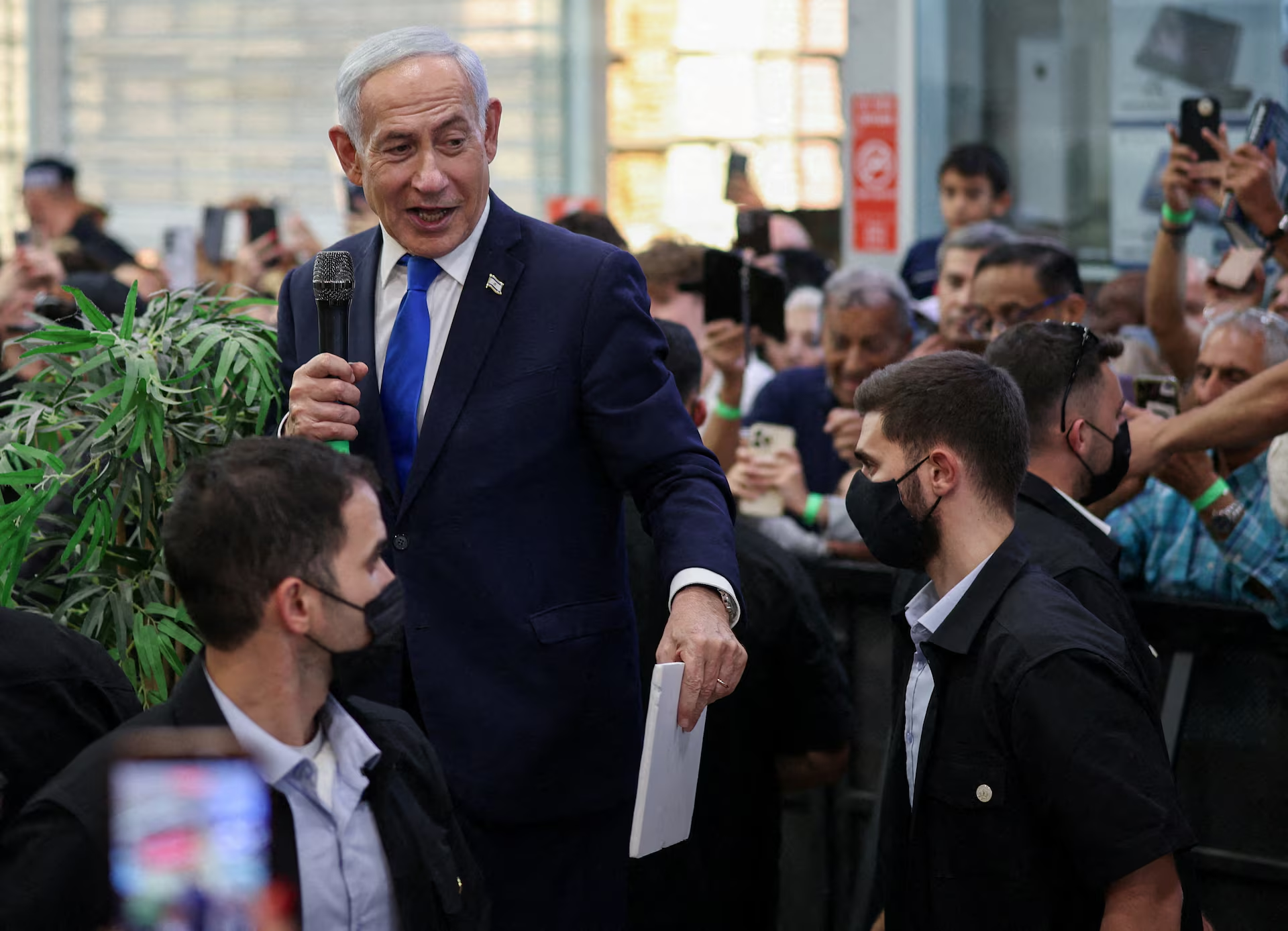
Israel’s Arab political parties could emerge as decisive players in the country’s next election, potentially holding the balance of power in a contest that could reshape the nation’s political future and determine the fate of its right-wing governing coalition.
Arab citizens make up roughly one-fifth of Israel’s population, yet their political influence has often been limited by low voter turnout, deep frustration with successive governments and a widespread sense that their concerns have been neglected. Now, with growing pressure to remove the right-wing coalition from power, Arab political leaders and community activists are seeking to mobilise voters and turn their numbers into meaningful political influence.
For many Arab Israelis, the election represents more than a contest between rival political camps. It is an opportunity to demand stronger action against violent crime, improved public services, better housing, investment in Arab communities and greater equality within Israeli society.
However, political disillusionment remains a significant obstacle. Some voters question whether participating in elections can bring real change, particularly amid longstanding tensions over discrimination, national identity and the Israeli-Palestinian conflict. These concerns have contributed to voter apathy in previous elections, weakening the collective influence of Arab parties.
This time, efforts to encourage participation have taken on renewed importance. Higher turnout could increase Arab parties’ representation in the Knesset, Israel’s parliament, and potentially give them greater leverage in negotiations over the formation of a government.
Yet translating electoral support into political power will not be straightforward. Opposition parties must overcome their own divisions, while Arab political leaders face difficult decisions about cooperation with Jewish-majority parties and the conditions under which they might support a governing coalition.
The political arithmetic could prove crucial. In a closely contested election, even a modest shift in voter participation or parliamentary seats could influence which political bloc gains the opportunity to form a government.
Ultimately, the election will test whether Arab political participation can become a decisive force in Israeli politics. For the right-wing coalition, the challenge could be substantial. For Arab voters, the stakes are equally high: whether their ballots can deliver tangible change or whether political frustration will once again leave their influence unrealised.








+ There are no comments
Add yours