


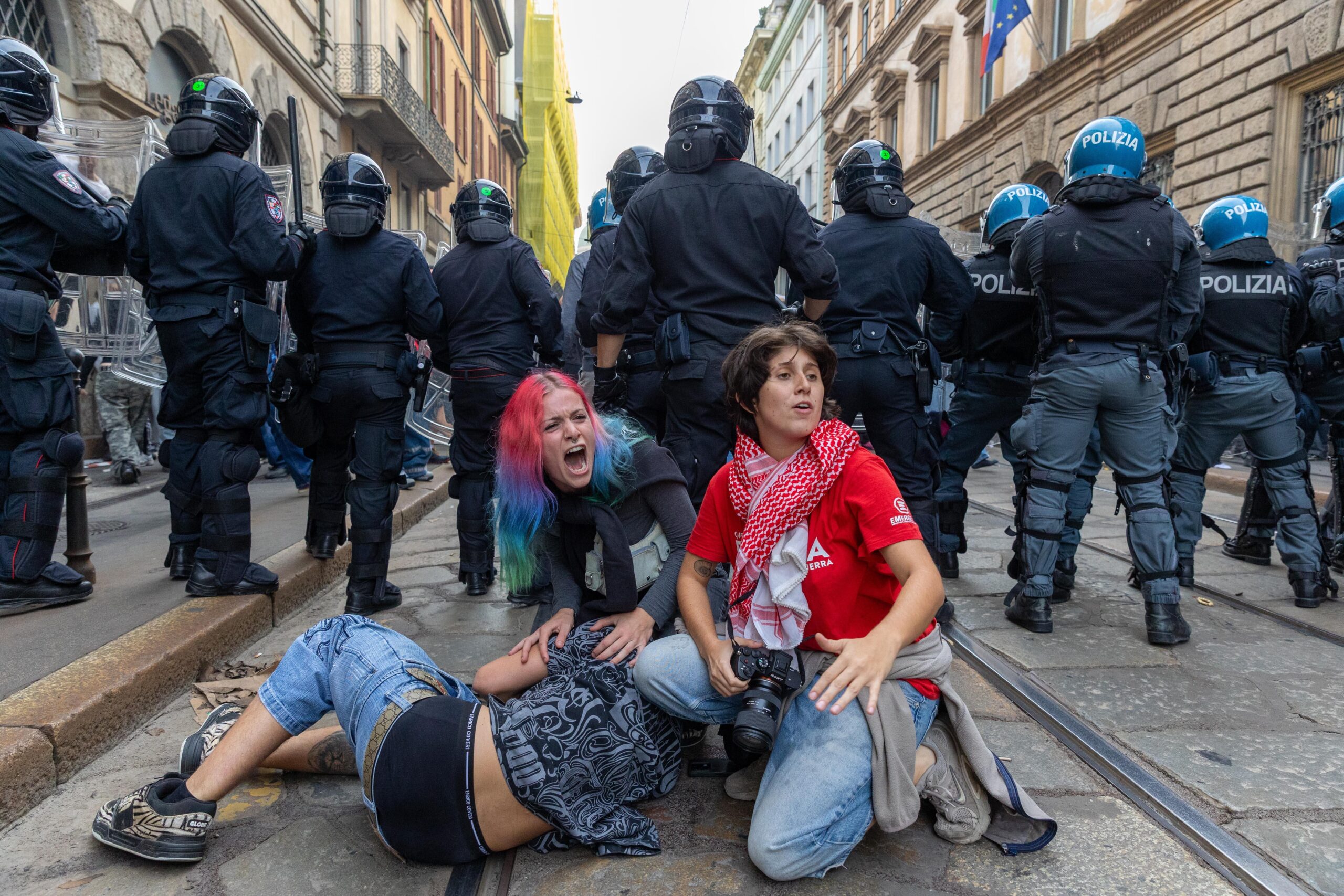
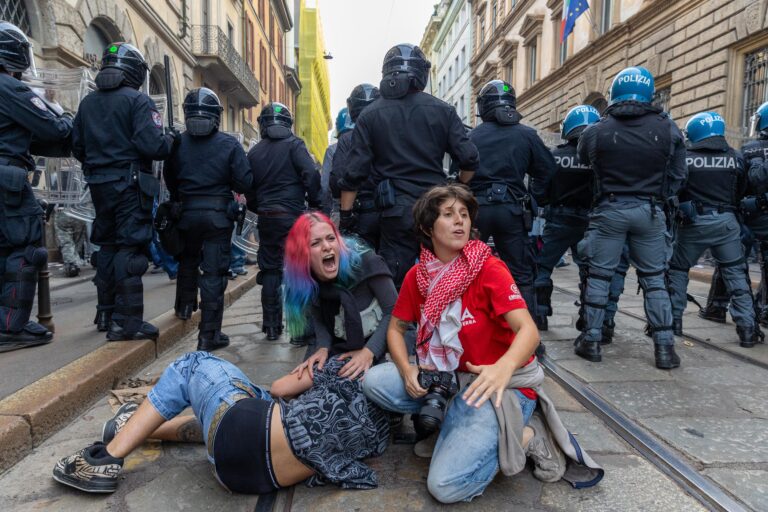
Italy is facing a growing wave of unrest after demonstrations over rising living costs and deteriorating public services descended into violent clashes, looting and property damage across several cities, prompting the government to prepare the deployment of 500 army troops to restore order in Milan.
The violence, which intensified over the weekend, has raised fresh concerns about economic pressures, youth discontent and public security in one of Europe’s largest economies. Milan, Italy’s financial and fashion capital, has become the centre of the turmoil, with shops damaged, streets disrupted and luxury retailers taking emergency precautions against further attacks.
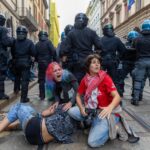
The protests initially began as peaceful demonstrations against rising expenses and dissatisfaction with public services. However, tensions escalated as groups of hooded demonstrators clashed with police, set rubbish bins on fire and looted commercial establishments in the city centre. Similar disturbances were reported in northern cities including Bologna, Brescia, Bergamo and Turin.
On Monday, Deputy Prime Minister Matteo Salvini announced plans to send 500 additional army troops to Milan as part of a tougher security response. The proposed deployment is expected to form part of a package of measures due to be considered by the government.
Prime Minister Giorgia Meloni condemned the violence and held a high-level meeting with ministers and security officials to discuss how to prevent further disorder. Foreign Minister Antonio Tajani also called for a firm response to attacks on public institutions and businesses, with the government considering additional measures targeting violence involving minors and youth gangs.
The scale of the arrests has underlined the seriousness of the situation. Italian police reported detaining 271 young people during Sunday’s unrest in Milan. Thirty-two people were arrested, including 23 minors and 13 foreign nationals, while another 28 people were reported to judicial authorities. Police figures also indicated that 28 protesters had been arrested following clashes in Milan and other northern cities on Saturday.
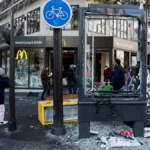
The unrest has struck at the heart of Milan’s commercial districts. In the prestigious Via Montenapoleone shopping area, home to international luxury brands including Chanel, Tiffany and Dior, retailers removed merchandise from display windows and closed their shops early as a precaution. Some businesses covered windows with wooden panels and cardboard to reduce the risk of damage.
Other affected establishments included sports retailers Decathlon and Arc’teryx, as well as telecommunications company Vodafone. The damage and precautionary closures have created an atmosphere of uncertainty for businesses and visitors in areas normally associated with international tourism, luxury shopping and economic activity.
Behind the immediate violence lies a broader debate over the cost of living and the quality of public services. Protesters have expressed frustration over expenses, employment opportunities, education and access to essential services. The involvement of students, workers and other groups reflects a range of grievances that extend beyond a single demonstration.
The unrest has also highlighted the difficulties faced by authorities in distinguishing peaceful protesters from individuals involved in looting and violence. While many demonstrators have taken to the streets to express economic and social concerns, the actions of violent groups have increased pressure on the government to strengthen policing and protect businesses and residents.
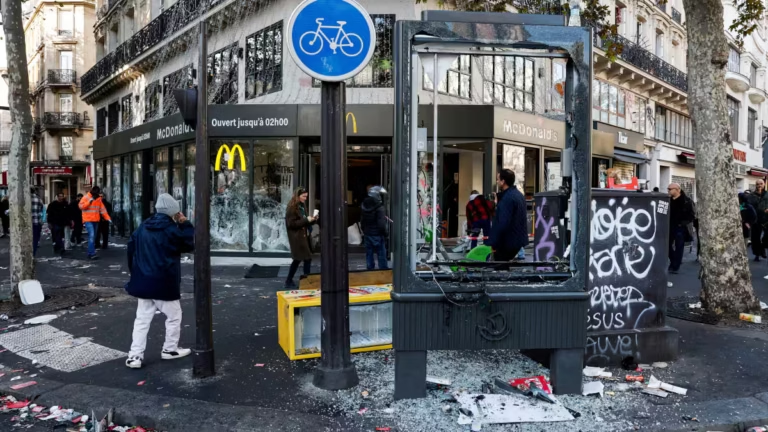
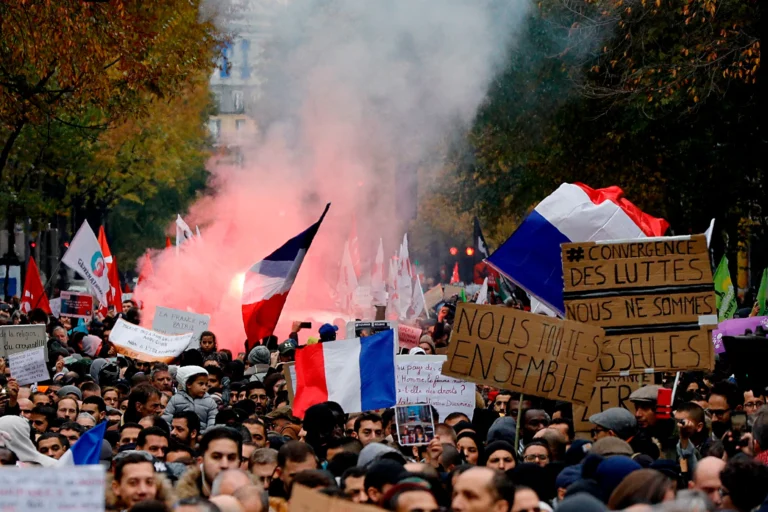
Italy’s turmoil is unfolding amid a wider period of social unrest across Europe. France has experienced its own serious disturbances, while protests over housing affordability, fuel costs and public services have affected other countries. These developments point to growing public anxiety over household finances and the ability of governments to respond to economic pressures.
For Italy, the immediate priority is to prevent further violence without allowing the situation to escalate into a prolonged confrontation. Additional security deployments could help protect vulnerable commercial areas, but a lasting response will also depend on addressing the economic and social concerns that have contributed to public frustration.
The government now faces the difficult task of restoring confidence among residents, businesses and international visitors while maintaining public order. Further restrictions and enforcement measures may be introduced as officials assess the situation and prepare for possible demonstrations in the coming days.
With tensions still high, Milan has become a focal point in a national debate over economic hardship, public safety and political accountability. The coming days will reveal whether the government’s security response can contain the unrest or whether demonstrations will continue to spread.
For a country whose major cities are vital centres of finance, fashion, tourism and industry, the stakes extend well beyond the damaged shopfronts. Italy’s challenge is to restore calm while confronting the underlying pressures that have brought angry demonstrators onto the streets.


+ There are no comments
Add yours