







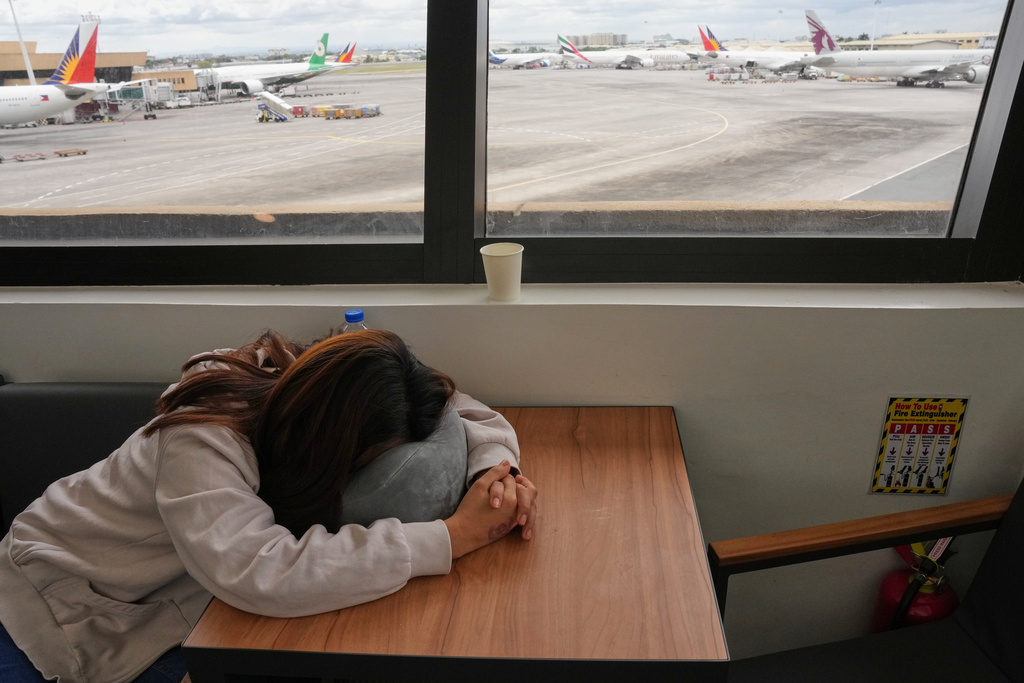
Governments worldwide are rushing to evacuate citizens from conflict-affected areas in the Middle East as limited travel flights from the United Arab Emirates (UAE) resume after days of widespread disruption. The resumption of flights offers a lifeline for thousands of stranded travelers who have faced long delays, cancellations, and uncertainty at major regional airports. Authorities are working closely with airlines to prioritize evacuations and ensure safe passage for those most at risk.
The resumed flights are primarily focused on extracting citizens from countries directly impacted by the regional instability, as well as vulnerable individuals such as families, elderly travelers, and those requiring urgent medical attention. Embassies and consulates have issued detailed advisories, urging their citizens to register for evacuation flights and maintain constant communication with local authorities. Airlines have coordinated with multiple governments to manage the surge in demand, although limited capacity continues to create challenges for travelers seeking immediate departure.
UAE airports, as a major international hub, have become central to these operations. Terminals are operating at full capacity, and airspace management has been a critical factor in determining flight schedules. Passengers have reported crowded check-in areas, long queues at security checkpoints, and logistical hurdles as airlines attempt to balance evacuation efforts with available commercial services. Despite the difficulties, officials say that the coordinated approach is providing structured support for those attempting to leave conflict zones.
Global airlines are adjusting flight plans to prioritize evacuation missions while keeping some commercial travel running wherever possible. Industry experts warn that, due to limited seats and high demand, many travelers may face multiple transfers or delays before reaching their destinations safely. Governments are deploying emergency response teams, liaising with local authorities, and working around the clock to ensure that citizens can travel out of danger zones as efficiently as possible.
This situation highlights the vulnerability of international travel networks during geopolitical crises and underscores the importance of coordination between airlines, diplomatic missions, and government agencies. While the resumption of UAE flights offers hope for many stranded travelers, the region remains complex, and passengers are advised to remain alert to updated advisories and schedule changes.
Travelers are being urged to prepare for ongoing disruptions, maintain contact with their embassies, and exercise flexibility in their travel plans. The coming days will be critical as governments and airlines work together to extract citizens, stabilize operations, and restore mobility in a region where uncertainty continues to affect international travel flows.
The resumption of UAE travel flights serves as a timely reminder of how global mobility is intricately tied to regional developments, and how rapidly events can reshape the accessibility of entire regions for international travelers.









+ There are no comments
Add yours