







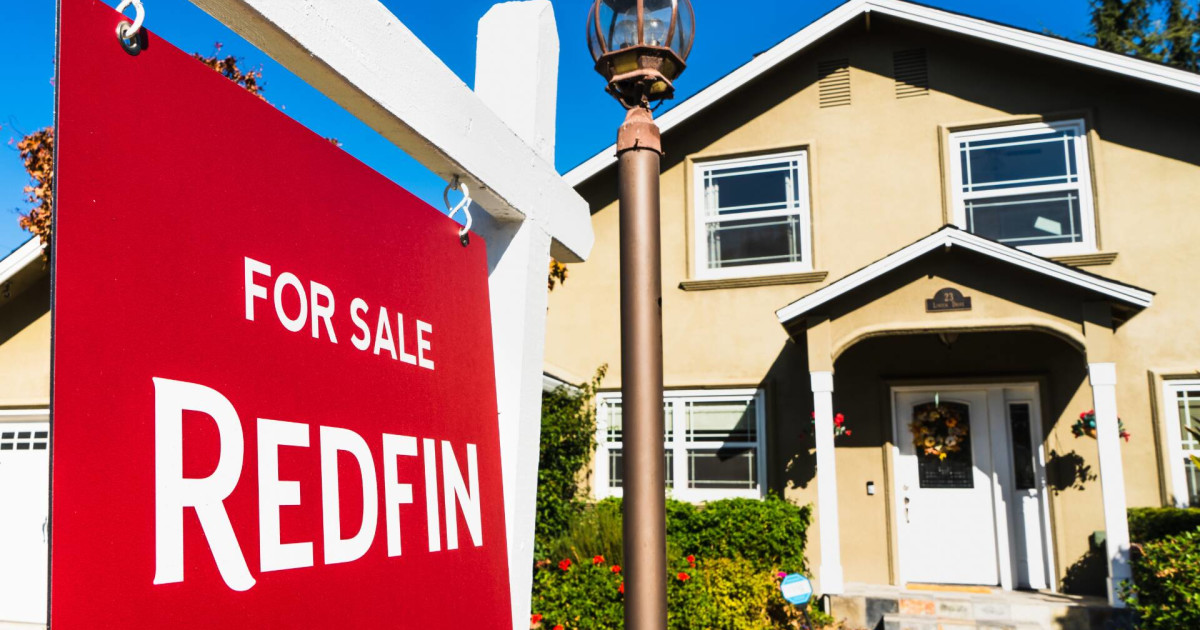
Leading real estate platforms Redfin and Zillow have released new data indicating a dramatic shift in the U.S. housing market as mortgage rates continue to rise, reshaping the landscape for buyers, sellers, and investors alike. Analysts say the trends signal a transition from the rapid growth seen during the pandemic-era boom to a more measured and challenging real estate environment.
Mortgage rates have surged significantly over recent months, making homeownership less affordable for many prospective buyers. The impact is particularly pronounced in high-cost urban markets, where monthly mortgage payments have escalated, pricing out first-time buyers and slowing the pace of property transactions. Homes that were previously sold within days are now lingering longer on the market, reflecting a cooling trend and a shift in the balance between supply and demand.
Buyer behavior is adapting to this new reality. Many potential homeowners are delaying purchases, hoping for mortgage rates to stabilize or for home prices to adjust downward. First-time buyers, who are highly sensitive to interest rate changes, are feeling the pressure most acutely. Zillow’s analysis indicates that the slowdown in activity is most notable in expensive metropolitan areas, while moderately priced suburban markets are seeing a slightly more resilient demand.
Sellers are also facing challenges. With a reduced pool of qualified buyers, competition among buyers has softened, prompting some homeowners to lower asking prices or offer incentives to attract interest. Redfin reports that while home values are not declining sharply, the pace of appreciation has slowed considerably, creating a more balanced real estate market compared to the hyperactive conditions of the past few years.
The implications extend beyond buyers and sellers. Slower home sales can ripple through construction, mortgage lending, and related industries, potentially affecting regional economic growth. Financial institutions are closely monitoring market activity, as higher interest rates influence the volume of mortgages and overall market liquidity.
Despite these challenges, some experts see opportunities in the shifting market. Reduced bidding wars and slower appreciation may allow buyers greater negotiating power and create a more sustainable long-term housing environment. Economists note that while the market is slowing, underlying demand remains strong, particularly in areas with limited housing supply and growing populations.
The Redfin and Zillow reports highlight a critical juncture in the U.S. real estate market, emphasizing the interplay between mortgage rates, affordability, and buyer demand. As both buyers and sellers adjust to these new conditions, the coming months are likely to define the trajectory of the real estate sector and reshape the dynamics of homeownership across the country.










+ There are no comments
Add yours