





Egypt’s Mediterranean coast is entering a new era as billions of dollars in investment transform the country’s North Coast from a predominantly seasonal summer retreat into a destination increasingly designed for international travellers.
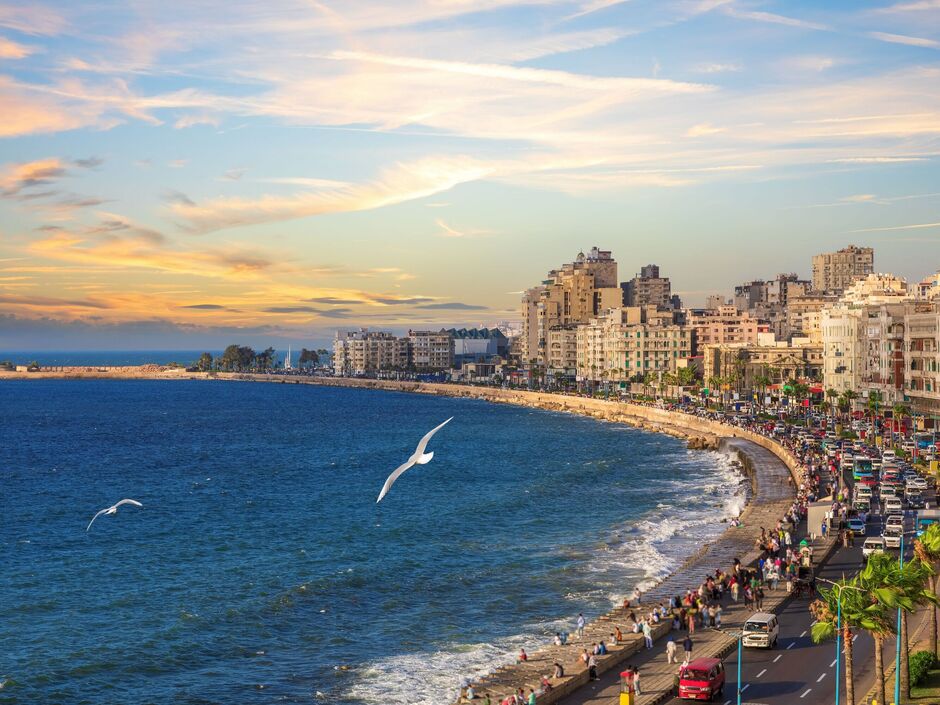
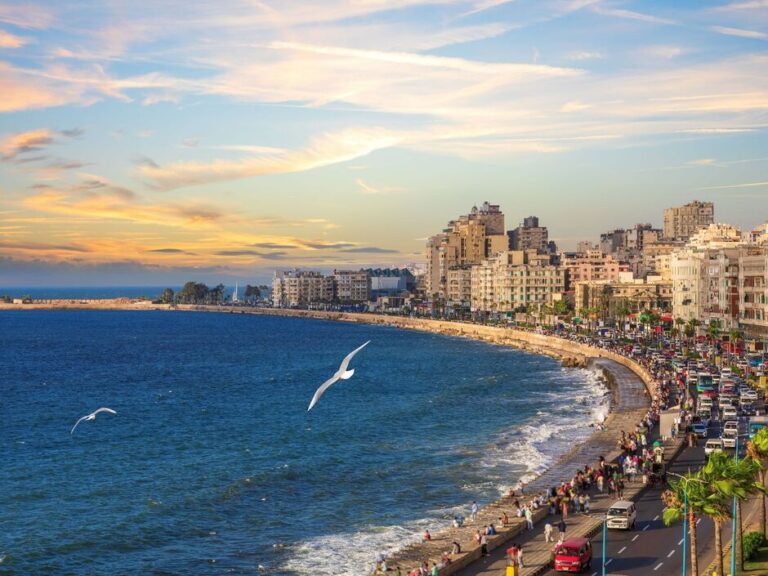
Stretching along the Mediterranean west of Alexandria, Egypt’s North Coast has long attracted domestic holidaymakers seeking beaches, warm weather and resort living. But a wave of large-scale developments backed by Gulf investment is now changing the character and ambition of the region, bringing luxury hotels, marinas, restaurants, entertainment venues and new infrastructure to one of Egypt’s most valuable stretches of coastline.
The transformation is being led in part by major projects such as Ras El Hekma, a vast development planned as a new urban and tourism centre. The project is expected to include hotels, residential communities, commercial districts, entertainment facilities and a major marina, creating a destination aimed at attracting visitors and investors from across the world.
For travellers, the changes could significantly expand the number of accommodation and leisure options available along Egypt’s Mediterranean shoreline. Instead of relying heavily on a short summer season, developers are seeking to create a more complete tourism ecosystem capable of attracting visitors for longer periods of the year.
The appeal is clear. The North Coast offers long sandy beaches, Mediterranean waters and a location within relatively easy reach of Cairo and Alexandria. With improved roads, airports and supporting infrastructure planned alongside major developments, the region could become increasingly accessible to international tourists looking beyond Egypt’s traditional destinations.
Egypt has traditionally been associated with the pyramids of Giza, the temples of Luxor and the Red Sea resorts of Sharm El-Sheikh and Hurghada. The Mediterranean coast, by comparison, has remained less prominent on the international tourism map.
That could now be changing.
The arrival of international-standard hotels and resorts is expected to raise the profile of destinations along the coast, while new restaurants, shopping areas, cultural attractions and entertainment facilities could make the region more attractive to families, luxury travellers and longer-stay visitors.
The investment also reflects a broader shift in global tourism, where travellers are increasingly looking for destinations that combine beaches with lifestyle experiences, entertainment and high-end hospitality.
For Egypt, developing the North Coast offers more than a new holiday market. It could help diversify tourism beyond the country’s established destinations, create jobs and attract additional foreign investment while strengthening the Mediterranean coastline as an important part of the national tourism economy.
Competition, however, will be intense. Egypt’s Mediterranean coast will be entering a market dominated by established European destinations such as Greece, Spain and southern Italy, as well as emerging luxury destinations across the Middle East and North Africa.
Its success will ultimately depend on whether new developments can deliver the infrastructure, hospitality and year-round experiences needed to attract international visitors beyond the peak summer months.
If the investment delivers on its ambitions, Egypt’s North Coast could soon become one of the Mediterranean’s most talked-about emerging holiday destinations offering travellers a new reason to look beyond the country’s famous ancient landmarks and Red Sea resorts.






+ There are no comments
Add yours