







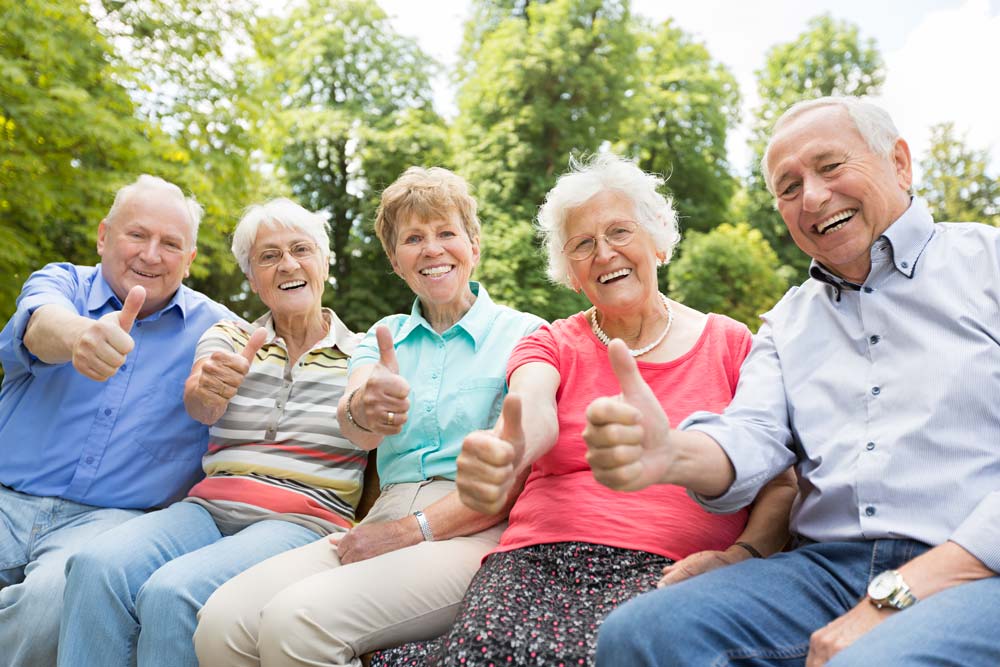
Growing older is inevitable, but losing the ability to move freely, remain independent or enjoy everyday activities is not necessarily an unavoidable part of ageing. Increasingly, healthy ageing is being understood not simply as the absence of disease, but as maintaining the physical and mental abilities that allow people to live the lives they value.
The World Health Organization defines healthy ageing as the process of developing and maintaining the functional ability that enables wellbeing in older age. That includes the ability to meet basic needs, make decisions, remain mobile, maintain relationships and participate in society.
One of the most important habits is regular physical activity. For adults aged 65 and over, the WHO recommends at least 150 minutes of moderate-intensity activity a week, or 75 minutes of vigorous activity, alongside muscle-strengthening exercises at least twice a week. Older people with limited mobility are also encouraged to include activities that improve balance and help prevent falls on three or more days a week.
That does not necessarily mean joining a gym. Brisk walking, swimming, cycling, gardening, dancing and household activities can all contribute to an active lifestyle. The CDC similarly recommends combining aerobic exercise with strength and balance activities, noting that physical activity can help older adults maintain the strength needed for everyday tasks and reduce the risk of losing independence.
Strength deserves particular attention. Maintaining muscle strength can make ordinary movements climbing stairs, carrying shopping, rising from a chair or getting out of bed easier. Recent research and public-health discussions increasingly place muscle health and physical function at the centre of healthy ageing.
Balance and flexibility are equally important. Activities such as yoga and tai chi can combine movement, balance and strength. In 2026, the WHO highlighted growing evidence that yoga can support flexibility, strength, balance, stress management and overall wellbeing, while emphasising that practices should be adapted to people’s abilities.
Nutrition is another foundation of healthy ageing. The WHO says maintaining healthy behaviours throughout life, including eating a balanced diet, staying physically active and avoiding tobacco, can reduce the risk of non-communicable diseases and help preserve physical and mental capacity.
Healthy ageing also extends beyond exercise and food. Social relationships, safe living environments and access to healthcare can influence whether older people remain independent. WHO notes that supportive homes, communities, transport systems and accessible public spaces can help people continue doing the things that matter to them even when some physical abilities decline.
Perhaps the most useful lesson is that healthy ageing does not have to begin at retirement. Walking regularly, maintaining muscle strength, practising balance, eating well, avoiding tobacco, staying socially connected and adapting the home to reduce hazards are habits that can be developed throughout adulthood.
Ageing well, therefore, is less about chasing a particular number on the calendar and more about protecting the abilities that make everyday life fulfilling. The goal is not simply to add years to life, but to help those years remain active, connected and as independent as possible.










+ There are no comments
Add yours