






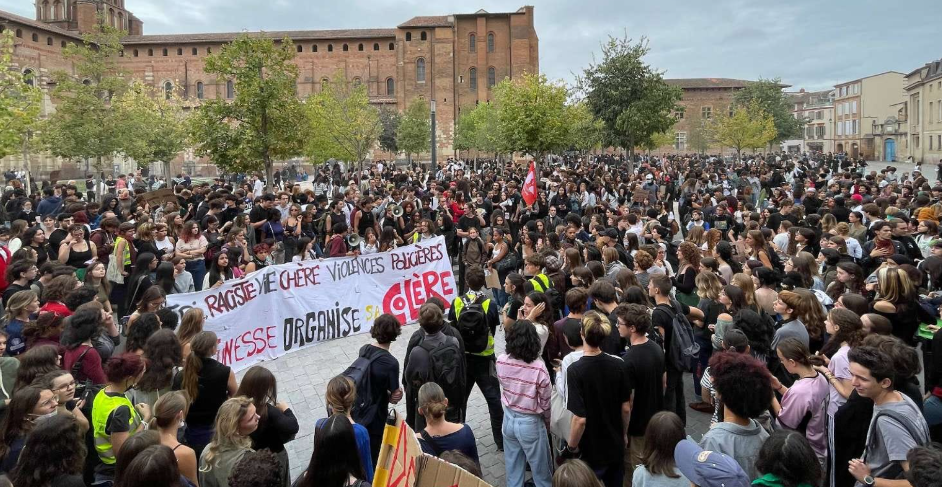
France is facing a mounting wave of unrest as students, teachers, firefighters, healthcare workers and other public-sector employees pour onto the streets, turning anger over schools and public spending into a nationwide confrontation with the government.
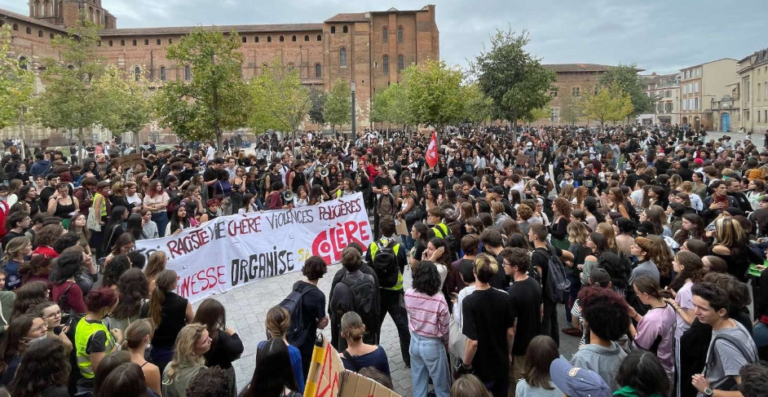
More than 300,000 people were reported by unions to have joined a nationwide strike and demonstrations, while the student movement has continued to spread across the country. What began in September with protests over overcrowded classrooms, teacher shortages and deteriorating school buildings has rapidly grown into a wider revolt over wages, public services and proposed budget cuts.
The streets have become the most visible expression of a crisis increasingly difficult for the government to contain. Students have walked out of classrooms and blockaded schools, while teachers and other workers have joined demonstrations demanding greater investment in services they say have been pushed beyond their limits.
The education system is at the centre of the storm. Protesters describe classrooms packed with students, missing teachers, inadequate facilities and school buildings in poor condition. Some students have also complained about exhausting schedules and the wider pressure placed on young people by the education system.
The scale of disruption has become extraordinary. Authorities expected between 400 and 500 secondary schools to be fully or partially closed as protests continued, while the education ministry said 24 schools had been burned or ransacked and 78 education staff had been injured.
The unrest has also brought scenes of confrontation. Fires have been set in streets, objects have been thrown at police and riot police have used tear gas, batons and other crowd-control measures. Authorities say thousands of people have been arrested since the latest wave of unrest began, most of them minors.
The government has condemned violence and insisted that security forces are acting to protect students and staff. Rights groups and critics, however, have raised concerns about the use of force against young demonstrators, adding another layer of tension to an already volatile situation.
Behind the immediate anger over education lies a much larger dispute over France’s finances. The government is preparing its 2027 budget while confronting heavy debt and rising debt-servicing costs. The planned education budget is set to rise, but by less than the rate of inflation, while debt interest is expected to become the government’s largest single spending item.
That financial pressure has helped bring different groups together. Teachers are protesting conditions inside classrooms. Public-sector workers are challenging pay policies and spending restraints. Students are demanding better schools and a stronger voice over decisions affecting their future.
The government is now facing renewed mobilisation, with teachers’ unions backing further student demonstrations. Another major day of protest is planned, raising the prospect of more school closures and deeper disruption.
For President Emmanuel Macron’s government, the timing could hardly be more difficult. France is already facing intense fiscal pressure and political uncertainty ahead of the 2027 presidential election. Financial markets have also been watching the country’s deteriorating fiscal position closely, with French borrowing costs rising and the euro recently falling to a 17-month low amid renewed concerns about France’s finances.
What began as a battle over classrooms has now spilled far beyond the school gates. Across France, a generation of students and a broad coalition of workers are demanding answers over what they see as declining public services and a future being shaped by austerity and financial constraint.
The government now faces a difficult test: restore calm, address the grievances driving the demonstrations and maintain control of public finances — all while protests continue to draw thousands into the streets. France’s schools may have sparked the confrontation, but the anger now reaches far beyond them.






+ There are no comments
Add yours