







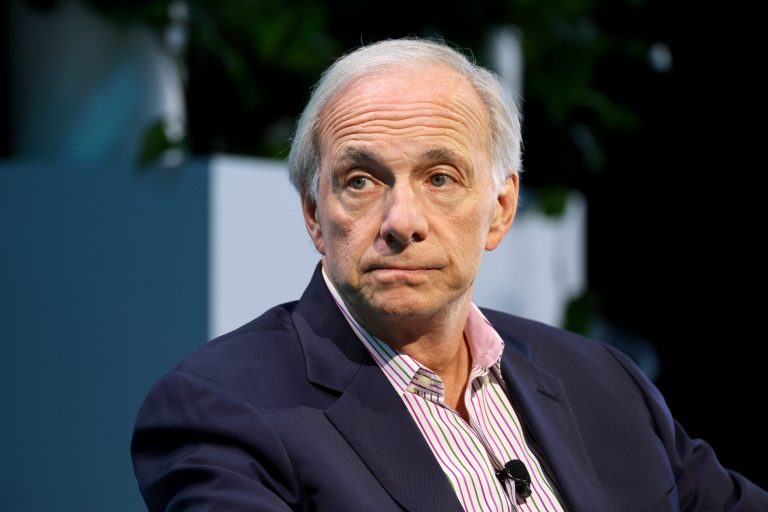
Ray Dalio, billionaire investor and founder of Bridgewater Associates, has never been shy about sharing his views on global markets and economic trends. In a recent statement, Dalio argued that “most people are silent” about the state of the U.S. economy because they fear speaking openly about the underlying challenges. His comments come at a time when inflation, debt, and political polarization are shaping uncertainty for both investors and everyday Americans.
Why People Stay Silent About the Economy
According to Dalio, many individuals—including policymakers, business leaders, and even average workers—choose not to discuss the economy’s true condition. He suggests that fear plays a central role. People may be worried about reputational damage, political backlash, or creating panic if they openly acknowledge economic risks.
Dalio has long emphasized that understanding the real drivers of the economy is crucial. By staying silent, he argues, society risks ignoring important issues such as unsustainable debt levels, wealth inequality, and the fragility of the financial system.
Dalio’s Track Record as a Global Macro Thinker
Dalio’s comments carry weight because of his track record. As the founder of Bridgewater Associates, the world’s largest hedge fund, he has built his reputation on identifying long-term economic trends. He predicted major events like the 2008 financial crisis and has frequently warned about rising debt cycles and shifting global power dynamics.
His approach focuses on studying historical patterns. Dalio often compares the current U.S. economic environment to past empires that struggled under heavy debt, internal conflict, and declining competitiveness.
The U.S. Economy’s Current Challenges
Dalio’s warning about silence comes against a backdrop of pressing economic issues:
National Debt: The U.S. has accumulated over $34 trillion in debt, raising concerns about fiscal sustainability.
Inflation and Interest Rates: While inflation has cooled from pandemic highs, the Federal Reserve’s tighter monetary policy continues to weigh on businesses and consumers.
Wealth Inequality: The gap between the rich and poor has widened, fueling social and political tensions.
Global Shifts: The rise of China and other emerging economies has created new competition, challenging the U.S.’s dominance in trade and finance.
Dalio believes that ignoring these realities only postpones the inevitable reckoning.
The Cost of Staying Quiet
Dalio emphasizes that avoiding tough conversations about economic challenges prevents the nation from finding solutions. In his view, silence allows problems to worsen until they reach a breaking point.
For example, delaying discussions about debt reduction or tax reform can lead to larger deficits and future financial instability. Similarly, failing to address wealth inequality can fuel political unrest and hinder long-term economic growth.
By contrast, open and honest dialogue—no matter how uncomfortable—can create pathways to sustainable solutions.
Dalio’s Call for Transparency and Preparedness
Dalio’s message is not just a critique but also a call to action. He encourages individuals, leaders, and investors to confront reality head-on rather than avoiding difficult topics. Transparency, he argues, leads to better decision-making and greater resilience in uncertain times.
He also advises people to diversify their investments, focus on long-term strategies, and prepare for potential shifts in the global economic order. In his view, being proactive is far better than being caught off guard when systemic risks surface.
Ray Dalio’s warning that “most people are silent” about the U.S. economy is a stark reminder of the dangers of denial. The United States faces structural challenges—from rising debt to global competition—that cannot be ignored. Dalio’s perspective underscores the importance of open dialogue, transparency, and proactive planning in navigating the future.
Whether or not one agrees with all of his predictions, Dalio’s insights highlight a critical truth: silence is not a strategy. Facing reality—and preparing accordingly—may be the key to ensuring economic stability in the years ahead.









+ There are no comments
Add yours