







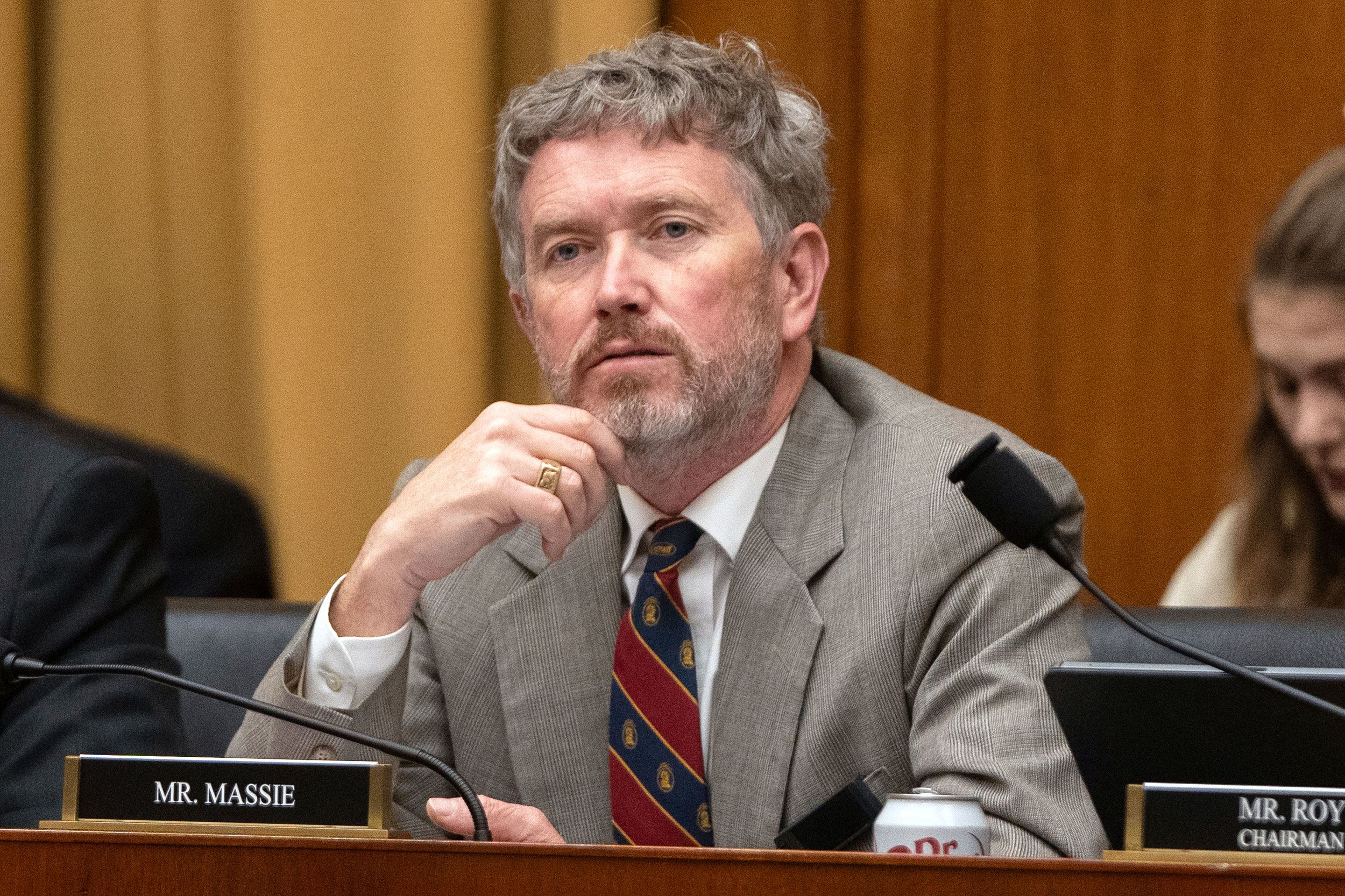
Recent remarks by U.S. Republican Congressman Thomas Massie have sparked renewed political debate after he publicly questioned the timing of escalating tensions involving the United States, Israel, and Iran. Massie suggested that military actions abroad should not distract from ongoing domestic investigations connected to the Epstein files, stating that “bombing a country on the other side of the globe will not make the Epstein files go away.”
His comments come at a moment when public attention in the United States remains sharply focused on legal proceedings, arrests, and testimonies linked to the network surrounding financier Jeffrey Epstein. The controversy continues to raise serious questions about accountability, institutional transparency, and the protection of citizens, both within the United States and internationally.
Massie’s statement reflects a broader concern shared by many observers who argue that national security decisions must remain clearly separated from domestic political pressures or ongoing legal controversies. Critics warn that global conflicts carry profound humanitarian consequences, affecting civilian populations, regional stability, and international security far beyond national borders.
The intersection of geopolitical conflict and domestic investigations has intensified public discussion about government priorities, ethical leadership, and the responsibility of elected officials to maintain trust during periods of crisis. As global tensions evolve, many citizens and analysts emphasize that issues tied to justice, human rights, and public safety demand sustained attention regardless of developments on the international stage.
The debate highlights an increasingly complex political environment in which foreign policy decisions are closely scrutinized alongside domestic accountability efforts, reinforcing calls for transparency and responsible governance in matters that impact humanity and global stability.











+ There are no comments
Add yours