






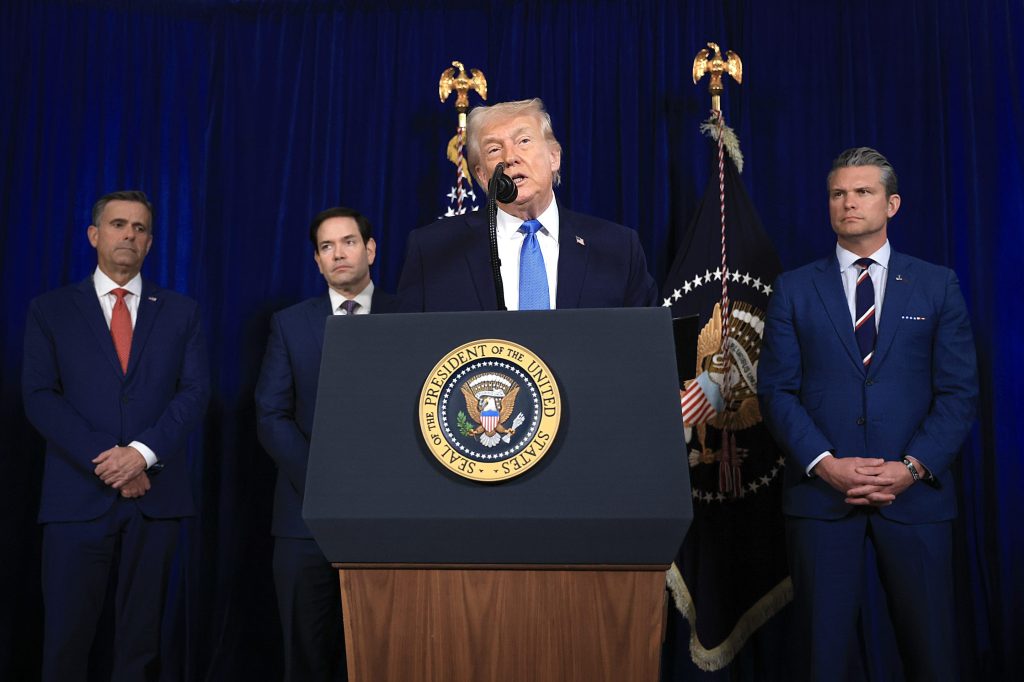
Venezuela is approaching a decisive inflection point. Whether through political transition, negotiated power shifts, or gradual erosion of the Maduro-era system, the country is entering an aftermath phase—one shaped by economic exhaustion, institutional rebuilding, and renewed global attention.
For CEOs, investors, and multinational decision-makers, Venezuela is no longer a binary story of “high risk, no reward.” Instead, it represents a complex re-emerging market where timing, sector choice, and geopolitical literacy will define winners and losers.
Below are five strategic takeaways every CEO should understand before considering exposure to Venezuela in the post-Maduro environment.
1. Political Risk Will Decline Slowly—But Asymmetrically
The end of Maduro-era dominance does not automatically translate into political stability. Venezuela’s aftermath phase is more likely to resemble a prolonged transition than a clean break.
What CEOs should know:
Power vacuums often produce fragmented authority, not immediate reform.
Policy direction may change faster in economic areas than in legal or judicial reform.
Local governance (states, municipalities) may liberalize earlier than federal institutions.
CEO takeaway:
Avoid waiting for “full stability.” Instead, prepare for phased engagement, starting with low-regulatory sectors and partnerships that can operate amid partial reforms.
SEO keywords naturally embedded: Venezuela political transition, post-Maduro Venezuela, political risk Latin America
2. Dollarization Is the De Facto Reality—And a Strategic Advantage
One of the most underreported outcomes of the Maduro era is Venezuela’s informal dollarization. Even without official policy, U.S. dollars dominate commerce, salaries, and pricing in urban centers.
Why this matters:
Currency risk, once catastrophic, has dramatically reduced.
Consumer confidence, while fragile, has stabilized in dollar terms.
Pricing transparency has improved, especially in retail and services.
CEO takeaway:
Venezuela is no longer operating as a hyperinflationary black box. For companies used to emerging markets, currency predictability now exists, particularly in Caracas and major cities.
This creates early-mover advantages in:
Consumer goods
Retail and franchising
Digital services
SEO keywords: Venezuela dollarization, Venezuela economy recovery, emerging markets currency risk
3. The Energy Sector Will Reopen—But Not Overnight
Venezuela still holds one of the largest proven oil reserves in the world, but the aftermath of Maduro-era governance leaves the energy sector damaged by years of underinvestment, sanctions, and brain drain.
What’s changing:
Gradual reintegration into global energy markets is possible.
Sanctions relief, when partial, tends to favor joint ventures and service providers first.
Infrastructure rehabilitation will precede production growth.
CEO takeaway:
This is not a short-term oil boom story. It is a long-horizon infrastructure and services play.
The real early opportunities lie in:
Energy services and maintenance
Engineering and logistics
Compliance, auditing, and ESG advisory
SEO keywords: Venezuela oil industry future, energy investment Venezuela, Latin America oil recovery
4. Human Capital Is Returning—Selective but Powerful
One of the most significant consequences of the Maduro years was mass emigration. The aftermath phase is now triggering selective return migration, particularly among entrepreneurs, engineers, and professionals.
Why this matters for CEOs:
A bilingual, globally exposed workforce is re-entering the market.
Labor costs remain extremely competitive by regional standards.
Local talent understands both informal systems and international expectations.
CEO takeaway:
Companies that invest early in local leadership and training will gain loyalty, cultural intelligence, and long-term operational resilience.
This is especially relevant for:
Technology and outsourcing
Creative and digital industries
Logistics and supply chain management
SEO keywords: Venezuela talent return, Latin America workforce trends, emerging market human capital
5. Reputation Risk Is the New Due Diligence Frontier
In the post-Maduro narrative, reputational risk may outweigh financial risk. CEOs must understand that how you enter Venezuela matters as much as when.
Key considerations:
Transparency and compliance will be closely scrutinized.
Association with legacy power structures can backfire.
ESG positioning will shape brand perception domestically and globally.
CEO takeaway:
The aftermath phase rewards companies that position themselves as rebuilders, not exploiters. Ethical entry, community engagement, and long-term commitments are not optional—they are strategic assets.
SEO keywords: Venezuela ESG risk, corporate ethics emerging markets, responsible investment Latin America
Final Thought: Venezuela Is Not “Back”—But It Is Opening
For CEOs, Venezuela should not be framed as a comeback story. It is an unfinished transition, rich in resources, talent, and opportunity—but constrained by history.
The companies that succeed will:
Enter early but cautiously
Think in decades, not quarters
Build trust before scaling
In the aftermath of Maduro-era governance, Venezuela is no longer closed—it is unevenly open. And for disciplined leaders, uneven openings are often where the greatest long-term value is created.













+ There are no comments
Add yours