







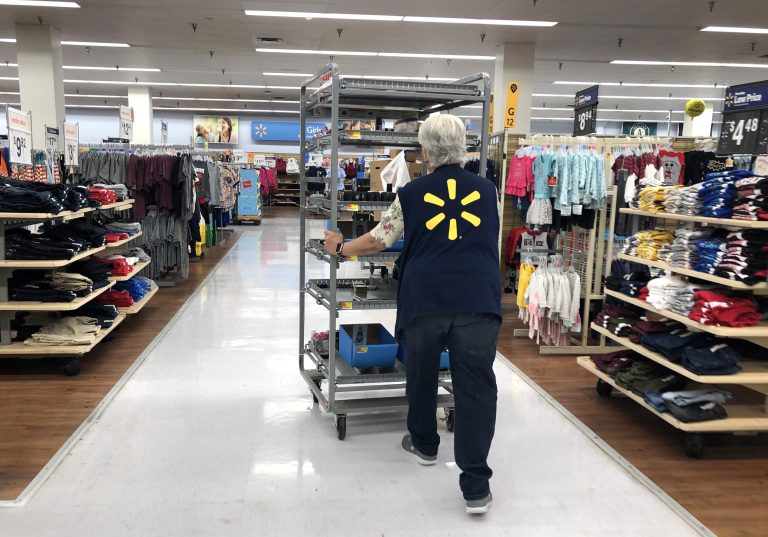
Allegations are surfacing that two of America’s largest retailers—Walmart and Target—are pressuring employees to remove price tags from apparel items, raising concerns that the move is tied to potential price hikes driven by tariffs and shifting trade costs. If true, this practice could have significant implications for consumer trust, retail transparency, and the broader debate on how tariffs affect ordinary shoppers.
The Allegations
Reports claim that store associates have been instructed to strip tags from clothing, leaving customers reliant on digital price displays or checkout scans to know the cost of an item. The alleged reasoning behind this is to give retailers greater flexibility to adjust prices rapidly, particularly as tariffs on imported goods fluctuate.
By removing traditional tags, retailers can:
Change prices instantly in-store without the logistical hassle of re-tagging.
Hide historical price comparisons, making it difficult for customers to track how much an item originally cost.
Pass tariff-related costs directly to consumers without drawing as much attention to sudden increases.
Why Tariffs Matter in Retail Pricing
The retail industry is heavily dependent on global supply chains, with a large share of apparel manufactured overseas. When tariffs are imposed on imports from countries like China, the cost of clothing production rises. Retailers can absorb those costs—or pass them along to consumers.
For giant retailers such as Walmart and Target, which compete aggressively on price, the pressure to protect profit margins is intense. Allegedly removing price tags could allow them to mask price volatility and increase prices more discreetly.
Consumer Concerns
If these allegations are true, several consumer-related issues come to the forefront:
Transparency erosion: Shoppers lose the ability to compare old and new prices on the spot.
Reduced accountability: Without clear tags, customers may have no proof of what price was advertised.
Price manipulation: The flexibility to change prices at will could disadvantage budget-conscious families who rely on stable pricing from major retailers.
For companies like Walmart and Target—brands built on affordability—any erosion of trust could damage long-standing reputations.
Employee Perspective
Employees are allegedly caught in the middle, facing pressure to comply with management directives. Many retail workers worry about being blamed for customer dissatisfaction, as shoppers often approach staff directly with pricing complaints. Some reports suggest employees feel uncomfortable, describing the practice as “sneaky” and potentially unfair to loyal customers.
Industry-Wide Trend?
Walmart and Target are not the only retailers under scrutiny. Across the industry, companies are experimenting with dynamic pricing strategies, often powered by digital tags or centralized software that can update prices in real time. While digital innovation can create efficiency, it also raises ethical questions about how transparent retailers are being with consumers.
The Bigger Picture: Tariffs and Inflation
These allegations highlight a larger issue—tariffs are rarely absorbed by corporations alone. Instead, they often trickle down to everyday consumers in the form of higher prices. With inflation already straining household budgets, any practice that accelerates price hikes could fuel frustration and political backlash.
For policymakers, this story underscores how trade wars and tariff policies directly affect middle-class families, not just corporations and foreign exporters.
Final Thought
If Walmart and Target are indeed removing apparel tags to prepare for tariff-driven price increases, the move could backfire. While it may offer retailers flexibility in uncertain trade environments, it risks alienating customers who depend on clarity, stability, and fairness at checkout.
For now, these claims remain allegations, but they raise urgent questions about how far retailers will go to protect profits in an era of global trade uncertainty—and how much consumers may pay the price.













+ There are no comments
Add yours