







What It Can and Can’t Do
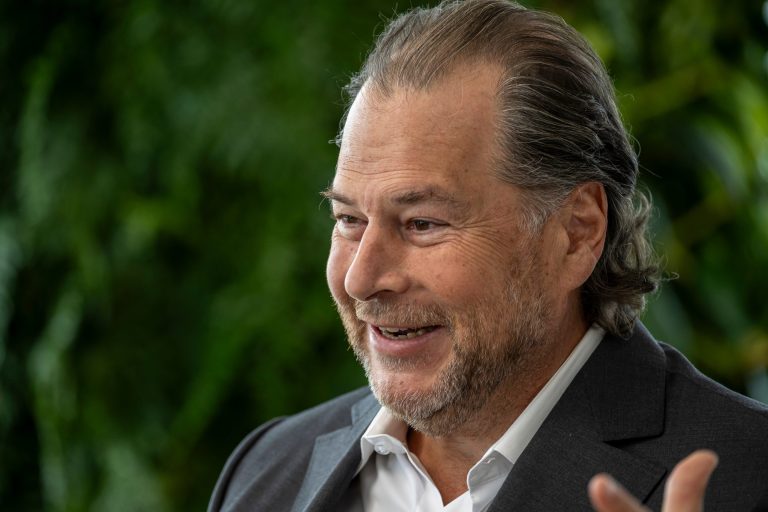
The conversation around artificial intelligence and robotics took a fresh turn after Salesforce CEO Marc Benioff praised Tesla’s humanoid robot, Optimus, calling it a potential “productivity game changer.” His comments followed the release of a video showcasing the robot’s abilities—and its current limitations.
A Bold Endorsement From a Tech Leader
Benioff is no stranger to disruptive technologies. As the head of Salesforce, he has long advocated for the transformative power of AI and automation in business. His endorsement of Tesla’s Optimus robot reflects a growing sentiment in Silicon Valley: humanoid robots may soon move from futuristic prototypes to practical workplace tools.
By labeling Optimus a productivity game changer, Benioff suggests that industries from manufacturing to logistics could see dramatic efficiency gains if Tesla can deliver on its promise.
What the Video Showed
The video demonstrated Optimus performing tasks such as:
Walking steadily on two legs, signaling advances in balance and mobility.
Handling delicate objects, including sorting items and performing simple grip actions.
Basic repetitive work, such as moving items from one location to another.
While the progress is impressive, the video also highlighted what Optimus cannot yet do:
Complex manual tasks requiring advanced dexterity.
Conversational interaction beyond pre-programmed responses.
Autonomous decision-making in unpredictable environments.
These limitations show that while the technology is advancing rapidly, Optimus is still in the early stages of becoming a fully capable worker.
Why Benioff’s Words Matter
When a high-profile executive like Marc Benioff publicly endorses a new technology, it sends signals across the tech and investment communities. For Tesla, this could mean:
Increased confidence from investors in its robotics division.
Broader industry recognition, pushing competitors to accelerate their own humanoid robot projects.
Cross-industry interest, especially in sectors where labor shortages and repetitive tasks are major challenges.
The Bigger Picture: Robots and the Future of Work
Optimus is part of a broader shift toward integrating AI-powered robots into everyday business operations. As companies struggle with rising labor costs and a shortage of workers in physically demanding industries, humanoid robots could provide a scalable solution.
However, questions remain:
Will humanoid robots replace workers or complement them?
How quickly can Tesla bring Optimus from prototype to mass production?
Can the cost of building and maintaining humanoid robots become competitive with human labor?
Tesla’s Vision for Optimus
Tesla CEO Elon Musk has consistently said that Optimus could one day be more valuable than Tesla’s car business. The company envisions millions of robots working in factories, warehouses, and even homes. If successful, Optimus could redefine not only productivity but also the global labor market.
The Road Ahead
Benioff’s praise is a reminder that the world is watching closely. Optimus is not yet ready to handle complex or dynamic tasks, but its steady progress demonstrates that humanoid robotics is no longer confined to science fiction. With major CEOs endorsing its potential, Tesla’s humanoid robot project is gaining credibility in the business world.
Final Thought
Marc Benioff’s recognition of Optimus as a productivity game changer underscores the growing belief that humanoid robots will play a central role in the future of work. While the technology is still developing, the momentum behind AI-driven automation is unstoppable. The real question is not whether robots like Optimus will transform productivity—it’s how fast that transformation will unfold, and how industries, governments, and workers will adapt.











+ There are no comments
Add yours