






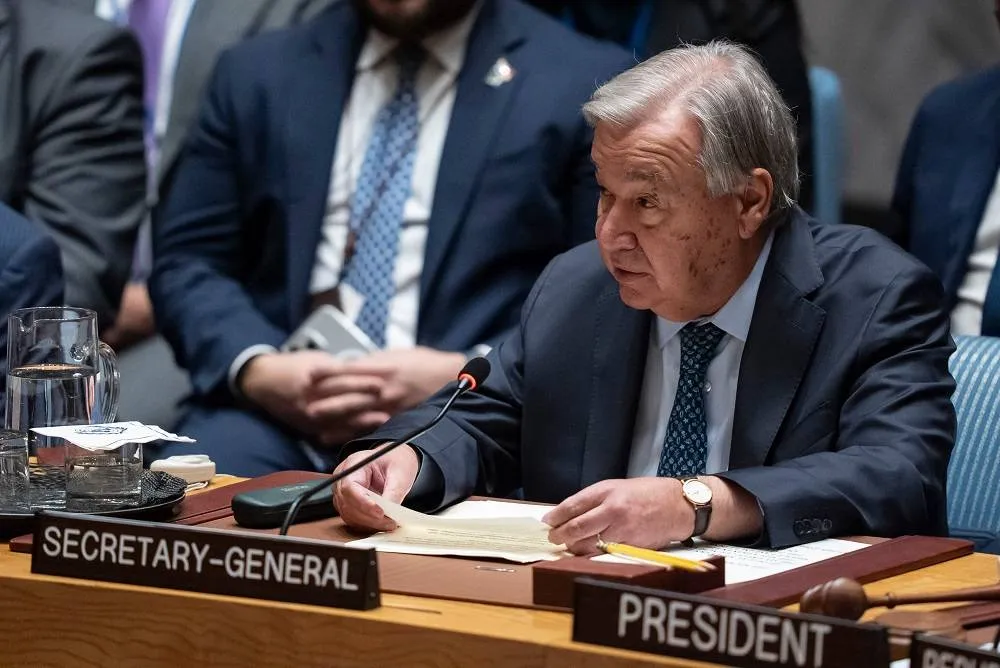
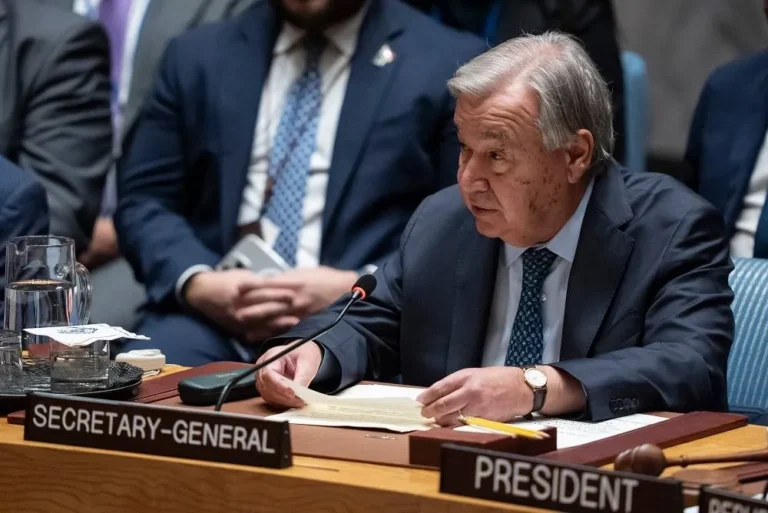
Leadership of the world’s most powerful international forum is about to change hands, and the next person to occupy the United Nations’ top office will inherit an organisation under extraordinary pressure. The new secretary-general will not simply be expected to represent the UN on the global stage; they will be challenged to rebuild confidence in multilateral diplomacy, navigate increasingly bitter rivalries between major powers and persuade divided nations to work together.
Taking office in January 2027, the incoming secretary-general will face a defining leadership test: whether the United Nations can adapt to a rapidly changing world while retaining its ability to respond to war, humanitarian crises, climate change and other global challenges.
The transition comes at a difficult moment for the 81-year-old organisation. Conflicts in different parts of the world have exposed deep divisions among member states, while the competition between major powers has complicated efforts to reach common positions on some of the most pressing international crises.
The next UN chief will therefore inherit a job that requires diplomacy on several fronts at once. The secretary-general must work with powerful countries while also representing smaller and developing nations that often argue their concerns receive insufficient attention in global decision-making.
One of the biggest challenges will be reforming the UN Security Council. The council’s permanent membership remains limited to the United States, Russia, China, Britain and France, reflecting the balance of power that existed after the Second World War.
Today, many governments argue that structure no longer reflects the modern world. African countries, in particular, have pushed for permanent representation on the council, while countries in Latin America and Asia have also called for a greater voice.
Any reform, however, will require agreement among countries with very different interests. The permanent members also hold veto powers, giving them considerable influence over major Security Council decisions.
The next secretary-general will need to navigate those competing interests while attempting to build momentum for change. That will require political skill, persistence and the ability to negotiate without alienating the very governments whose cooperation is essential.
The UN’s financial situation adds another layer of pressure. Funding shortages have affected the organisation’s ability to maintain humanitarian and development programmes, forcing difficult decisions about priorities at a time when demand for international assistance remains high.
The incoming leader will also face expectations over the UN’s role in major conflicts. The organisation has often struggled to translate diplomatic discussions into concrete action when powerful member states disagree.
That challenge has raised broader questions about the effectiveness of multilateral institutions. For the next secretary-general, restoring confidence in the UN may require demonstrating that international cooperation can still produce tangible results even when geopolitical tensions are high.
The leadership challenge extends beyond traditional diplomacy. Climate change, food insecurity, migration, economic inequality and artificial intelligence are creating problems that cross national borders and cannot easily be addressed by individual governments acting alone.
Artificial intelligence in particular is emerging as a major area where international rules and cooperation could become increasingly important. The next UN chief will have to balance calls for technological innovation with concerns about security, inequality, employment and the misuse of powerful technologies.
The selection process for the next secretary-general is already attracting international attention. Former Costa Rican Vice President Rebeca Grynspan emerged as the narrow frontrunner in a recent informal Security Council poll, while other candidates remain part of the process.
The eventual choice will inherit an office with enormous diplomatic visibility but limited direct power. The secretary-general cannot command national governments, and major UN decisions ultimately depend on member states.
That makes leadership itself particularly important. The next UN chief will have to use persuasion, diplomacy and international legitimacy to bring countries together where formal authority is limited.
The person taking office in January 2027 will therefore face a challenge larger than managing the UN’s bureaucracy. They will be asked to help redefine what effective global leadership looks like at a time when international cooperation is under growing strain.
The transition could become a defining moment for the United Nations. Whether the organisation emerges stronger or remains constrained by its longstanding divisions may depend in part on the ability of its next secretary-general to build consensus, push for reform and convince governments that cooperation remains essential in an increasingly fragmented world.



+ There are no comments
Add yours