




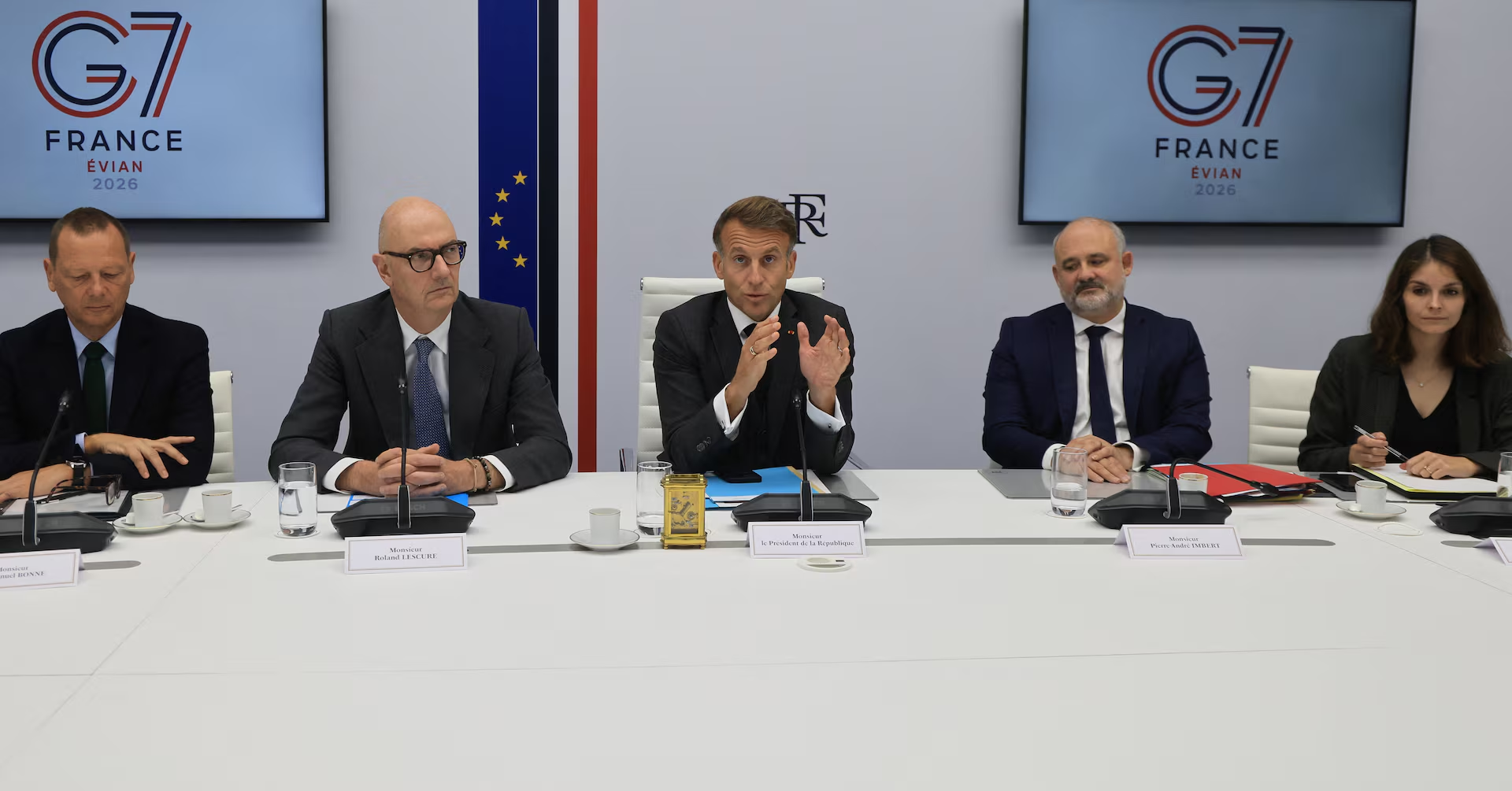
French President Emmanuel Macron is leading an urgent G7 effort to ease mounting pressure on global energy markets after the world’s leading industrial economies agreed to release 100 million barrels of oil and refined products from emergency reserves.
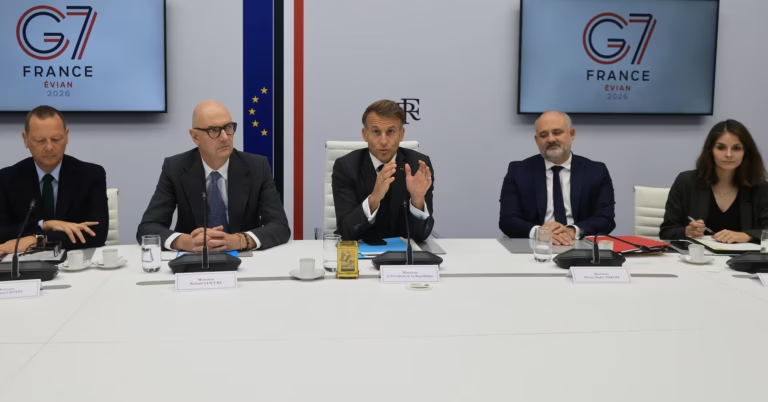
Macron, whose country holds the G7 presidency this year, chaired a virtual meeting of G7 leaders on Friday as governments confronted rising fuel prices and growing concerns over diesel supplies. The agreement calls for the coordinated release of emergency stocks through the International Energy Agency over four months, with a substantial amount of diesel to be made available within the first 20 days.
The decision places Macron at the centre of a coordinated international response to an energy crisis that has placed increasing pressure on households, businesses and governments. The G7 also agreed to coordinate refinery maintenance schedules and encourage countries with significant refining capacity to increase production of diesel and other refined fuels where possible.
Macron said the G7 would work together to bring down pressure on petroleum-product prices, particularly diesel. The French presidency had pushed for European countries to release diesel reserves while broader emergency oil stocks were also made available through the IEA.
The agreement follows intense pressure from Washington for European countries to draw down their emergency diesel inventories. U.S. President Donald Trump had threatened to consider a ban on U.S. diesel exports if European countries did not increase their own supplies. On Friday, however, Trump said the United States would not impose such a ban.
The G7 statement also committed members to refrain from imposing energy export restrictions between G7 countries and called on other producers to avoid measures that could further strain markets.
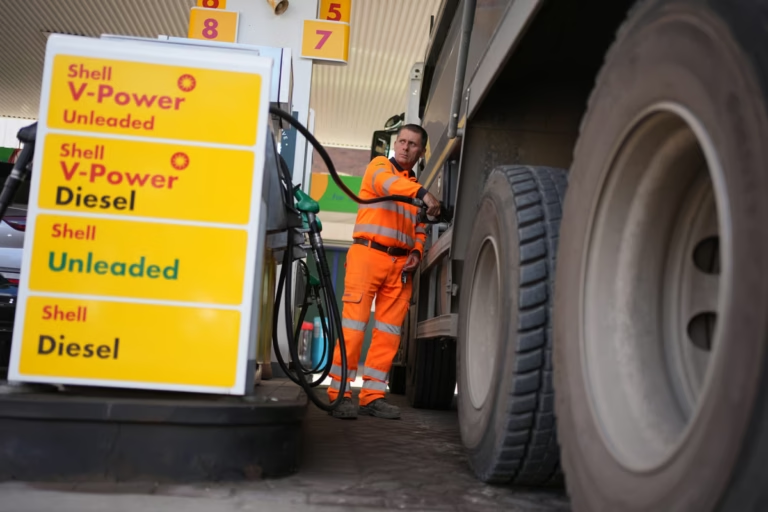
The energy pressure has been particularly severe in diesel markets. The International Energy Agency said refined-product flows remain constrained, while disruptions linked to the Strait of Hormuz crisis and attacks affecting refining infrastructure have added to supply concerns. IEA chief Fatih Birol told G7 leaders that tighter diesel markets and higher prices were creating significant economic risks.
For Macron, the agreement represents a major test of France’s role in coordinating the G7 response to an international energy shock. The IEA will monitor implementation, while G7 countries are expected to consider whether further diesel releases are necessary.
With fuel prices still under pressure, attention will now turn to how quickly the emergency supplies reach markets and whether the coordinated action can ease the strain on global energy security.

+ There are no comments
Add yours