







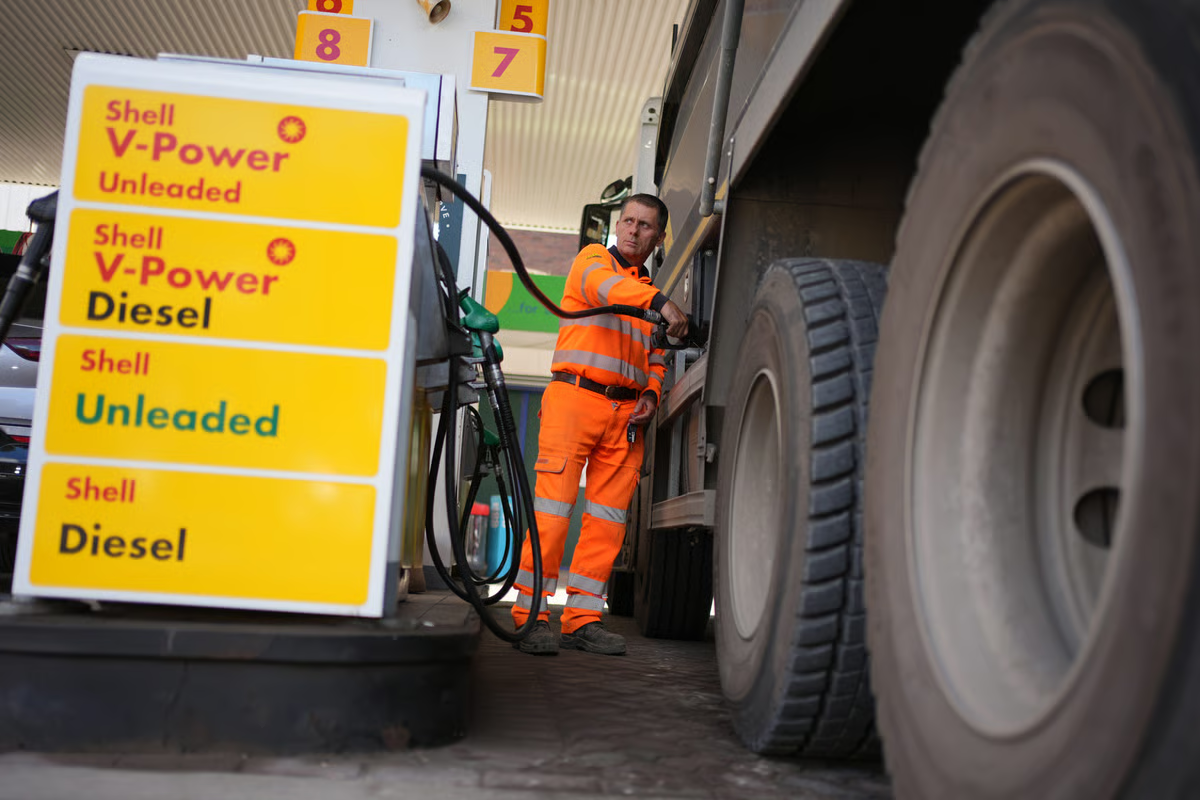
U.S. President Donald Trump said he would not authorize a ban on diesel exports, easing concerns about tighter fuel supplies after Group of Seven countries agreed to release crude oil and diesel from emergency reserves.
Trump made the comments on Friday, October 2, hours after the G7 agreement, signaling that the United States would not pursue a measure that could have disrupted global fuel markets and added pressure to diesel supplies.
“I’m not going to be doing a diesel export ban,” Trump said, without providing further details.
The decision comes as governments and energy markets remain focused on fuel availability and the risks posed by disruptions to global oil supplies. Diesel is widely used in transportation, agriculture, construction and industry, making changes to its international trade particularly significant for businesses and consumers.
The G7 agreement to release fuel from emergency reserves is intended to provide additional supplies to the market at a time of heightened concern over energy security. Strategic reserves are designed to act as a buffer during major supply disruptions, allowing governments to make additional crude and refined products available when markets come under pressure.
The move by the G7 could help reassure fuel markets, although the impact will depend on the scale and timing of the releases and on developments in global oil demand and supply.
A U.S. diesel export ban had been closely watched by energy traders because the United States is a major supplier of refined petroleum products to international markets. Restricting exports could have redirected fuel toward domestic consumers while reducing supplies available to overseas buyers.
Such a policy could also have produced different effects across regional markets, depending on existing inventories, refinery output and access to alternative suppliers.
Trump’s decision not to impose the ban removes one potential source of uncertainty for the global diesel market. It also comes as the administration weighs broader energy and trade policies aimed at protecting U.S. consumers and maintaining domestic fuel supplies.
For international markets, the G7 reserve release provides another mechanism for governments to respond to supply concerns without immediately restricting normal fuel trade.
Oil and refined-product markets are expected to continue monitoring government actions closely, particularly as policymakers assess whether emergency stock releases are sufficient to stabilize supplies.
The latest developments highlight the delicate balance facing major energy-consuming nations: protecting domestic fuel availability while avoiding measures that could tighten international supplies and push prices higher elsewhere.
With Trump ruling out a diesel export ban and the G7 preparing to release emergency stocks, attention will now turn to how quickly the additional supplies reach markets and whether they are enough to ease concerns over global fuel availability.









+ There are no comments
Add yours