







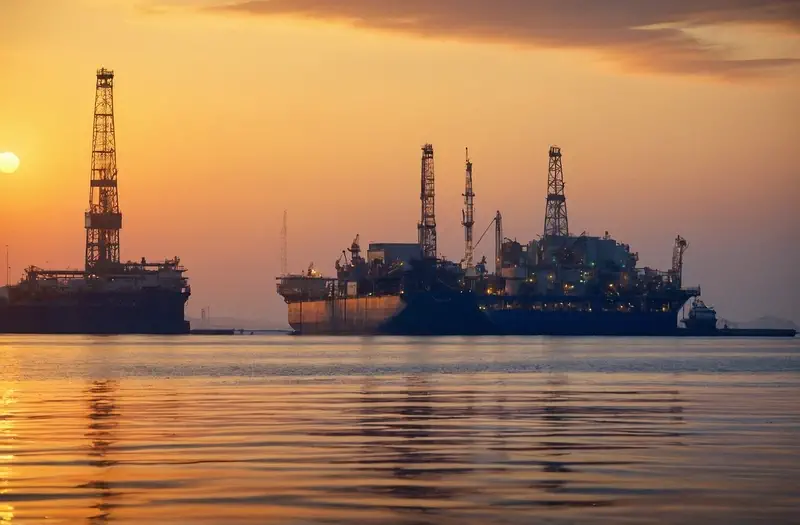
Global oil prices fell sharply by more than 3 percent, settling at around $77.90 per barrel, after signs of progress in diplomatic talks between the United States and Iran eased fears of potential disruptions to global energy supplies. The decline came as investors reacted positively to reports suggesting that negotiations between the two countries were moving in a constructive direction, reducing concerns about escalating tensions in the Middle East.
Market sentiment was further supported by the continued operation of the Strait of Hormuz, one of the world’s most critical energy transit routes. The narrow waterway, through which a significant portion of global crude oil shipments pass each day, remained open and unaffected despite recent geopolitical uncertainties in the region. Traders viewed the uninterrupted flow of oil through the strait as a reassuring sign for global energy markets.
The recent decline in oil prices reflects growing optimism that diplomatic efforts could help prevent further instability in the Middle East, a region that plays a crucial role in global oil production and exports. Investors had previously worried that heightened tensions could threaten shipping routes or lead to supply disruptions, potentially driving prices significantly higher.
Analysts noted that any indication of improved relations between Washington and Tehran is closely monitored by energy markets. Progress in negotiations could eventually lead to greater stability in regional oil supplies and reduce the risk premium that has been built into crude prices in recent weeks. The possibility of increased Iranian oil exports in the future has also contributed to downward pressure on prices.
Despite the sharp decline, experts cautioned that oil markets remain sensitive to geopolitical developments. Any setback in negotiations or unexpected security incidents in key shipping lanes could quickly reverse the current trend and trigger renewed volatility.
Energy traders are now closely watching upcoming statements from U.S. and Iranian officials, as well as developments affecting maritime security in the Gulf region. While uncertainty remains, the latest drop in crude prices highlights how diplomatic progress and stable supply routes can have an immediate impact on global commodity markets.
For consumers and businesses worldwide, lower oil prices could help ease inflationary pressures and reduce energy costs if the downward trend continues in the coming weeks. However, market participants remain alert as the situation evolves, recognizing that geopolitical events continue to play a major role in shaping global energy prices.









+ There are no comments
Add yours