







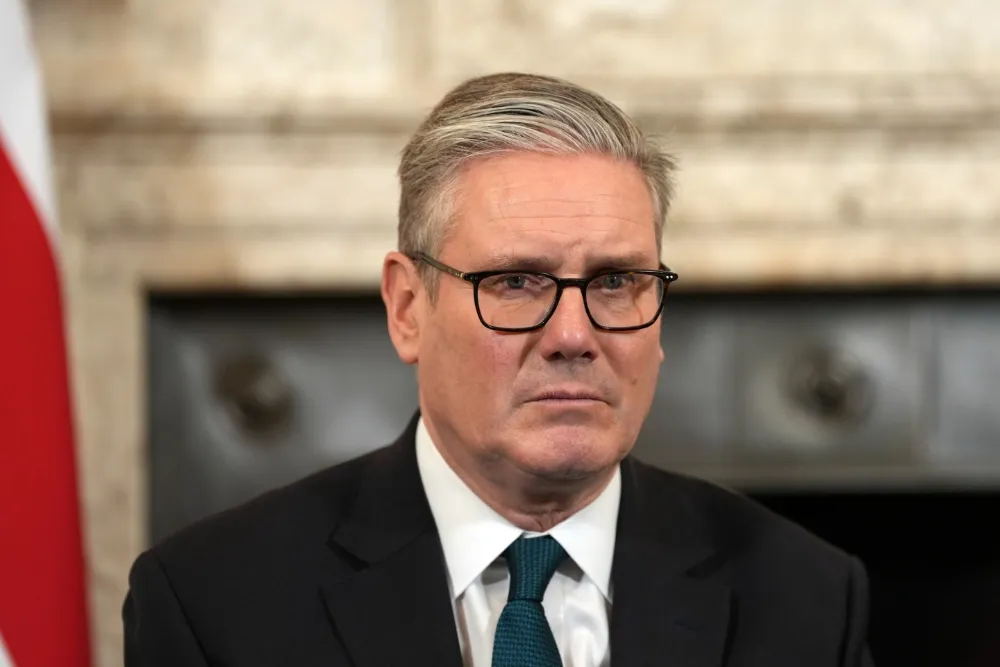
Sir Keir Starmer has announced his resignation as leader of the Labour Party, marking the beginning of the end of his tenure at 10 Downing Street after months of mounting political pressure and growing unrest within his own party. While stepping down as Labour leader, Starmer confirmed that he will remain prime minister until a successor is chosen, ensuring a smooth transition of power.
The resignation follows a turbulent period for the Labour government, which has faced declining public support and increasingly poor opinion poll ratings. Concerns within the party intensified after a series of controversies, including criticism surrounding Starmer’s decision to appoint Peter Mandelson as the United Kingdom’s ambassador to the United States last year. The move sparked internal divisions and became a focal point for opponents who questioned the prime minister’s judgment.
For many Labour MPs, the elections held in May for the Welsh Parliament, the Scottish Parliament, and local councils across England represented a crucial test of Starmer’s leadership. Party members had hoped the contests would demonstrate a recovery in public confidence, but the results instead delivered a severe setback. Labour suffered significant losses, deepening concerns about the party’s direction and electoral prospects.
The disappointing performance triggered a wave of political consequences. Health Secretary Wes Streeting resigned from the Cabinet, while several junior ministers also stepped down, highlighting the scale of dissatisfaction within government ranks. Calls for a change in leadership quickly gained momentum as MPs openly questioned Starmer’s ability to lead Labour into future elections.
Further pressure emerged when an ally of Andy Burnham resigned as Member of Parliament for Makerfield, creating an opportunity for the former Greater Manchester mayor to return to Westminster. Burnham, long regarded as a potential contender for the Labour leadership, is now expected to play a significant role in the race to succeed Starmer.
Although Starmer had previously prevented Burnham from contesting a by-election earlier this year, his authority within the party weakened considerably after the election setbacks. With growing numbers of MPs demanding his departure, the prime minister ultimately concluded that stepping aside was the best course of action.
Starmer’s resignation marks a significant turning point for both the Labour Party and British politics. As the leadership contest begins, attention will now focus on who can reunite the party, restore public confidence, and chart a new course for Labour’s future.









+ There are no comments
Add yours