






Michigan health officials have confirmed the state’s first two deaths connected to the ongoing cyclosporiasis outbreak, raising concerns as thousands of people across the United States continue to battle the parasitic infection. Authorities said both individuals had existing health conditions that may have been made worse by complications from the illness, including severe dehydration.
The outbreak has affected communities nationwide, with more than 18,000 cases reported across the United States this season. Michigan has become one of the hardest-hit areas, recording more than 11,000 infections. Health officials are continuing investigations to identify the source of the outbreak while urging residents to remain cautious about food safety and hygiene practices.
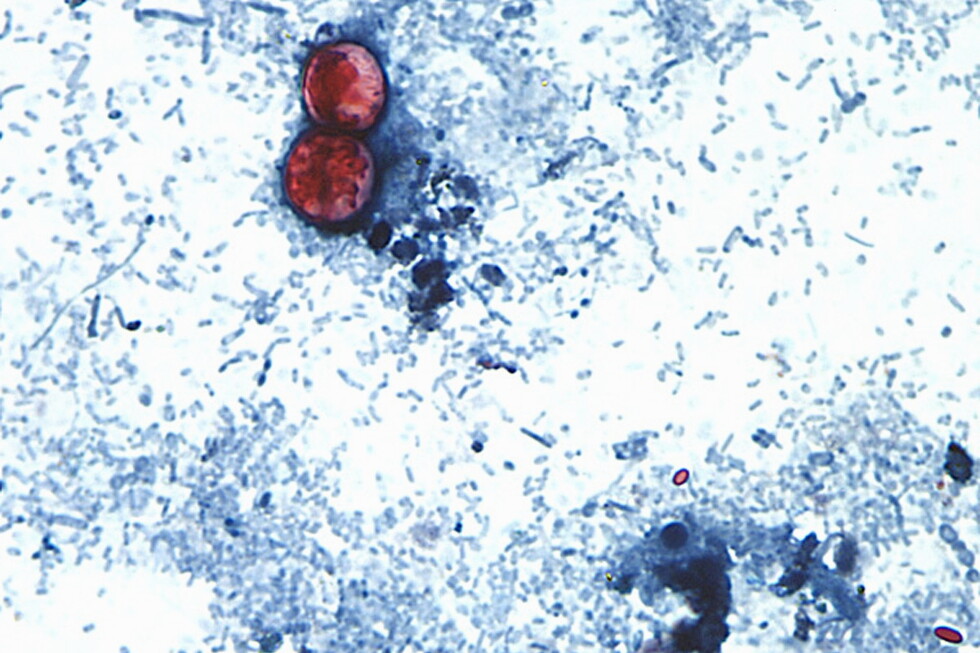
Cyclosporiasis is caused by the parasite Cyclospora cayetanensis, which typically spreads when people consume food or water contaminated with the parasite. The infection commonly causes symptoms such as prolonged watery diarrhea, stomach cramps, nausea, loss of appetite, and fatigue. In some cases, especially among older adults and people with weakened health, the illness can lead to serious complications.
Medical experts have warned that dehydration is one of the biggest risks associated with severe cyclosporiasis. Losing large amounts of fluid through persistent diarrhea can quickly become dangerous, particularly for people with existing medical conditions. Health officials are advising those experiencing prolonged symptoms to seek medical attention and avoid waiting for the illness to resolve on its own.
The Michigan Department of Health and Human Services has been working with local and federal agencies to track cases and provide guidance to the public. Officials are encouraging residents to wash fresh produce carefully, practice good hand hygiene, and take precautions when preparing food.
The deaths reported in Michigan highlight the potential dangers of foodborne illnesses, even those that are often treatable. While many healthy individuals recover with proper medical care, experts emphasize that vulnerable groups require closer monitoring.
As health authorities continue efforts to control the outbreak, they are reminding the public that early recognition of symptoms and timely treatment can help prevent serious outcomes. With cases still being reported, officials say awareness and preventive measures remain key tools in reducing the spread of cyclosporiasis.









+ There are no comments
Add yours