







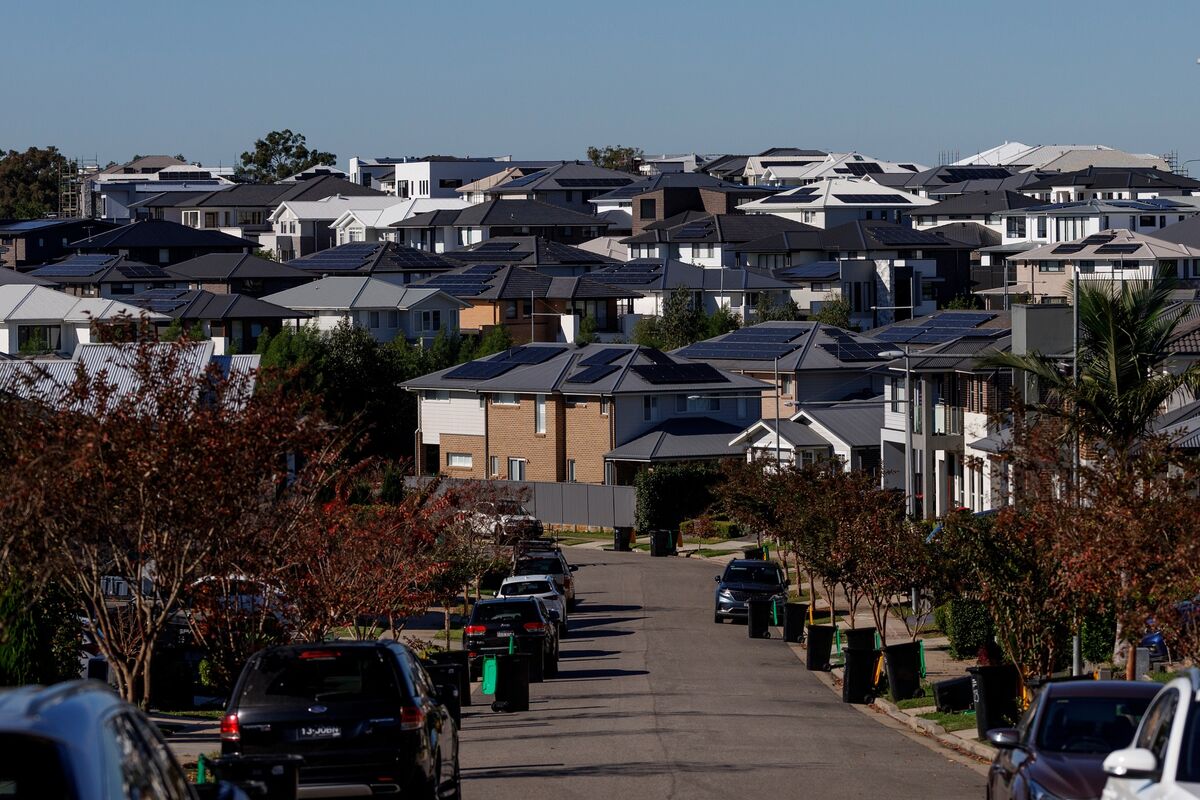
Rising interest rates, declining buyer confidence and mounting affordability pressures are shaking Australia’s once-booming property market, with home values recording their seventh consecutive monthly decline and billions of dollars in housing wealth coming under pressure.
Australia’s property market is facing one of its most challenging periods in decades, as house prices continue to fall across major cities, raising concerns among homeowners, property investors and prospective buyers. The latest figures reveal that the downturn is accelerating, with capital-city property values declining at their fastest pace in approximately 40 years.
According to property research firm Cotality, Australia’s national home values dropped by 1.2 per cent in October, extending the decline to seven consecutive months. Property values are now 6.7 per cent below their March peak, representing an estimated loss of approximately A$63,400 in the value of the median Australian dwelling.
The latest figures highlight a dramatic reversal for a housing market that experienced substantial growth over the previous five years. Capital-city home values have fallen by 8.1 per cent in just seven months, surpassing the decline recorded during the 2022–2023 downturn, when aggressive interest-rate increases were introduced to control inflation.
Some of the country’s previously strongest property markets are now experiencing the sharpest corrections. Brisbane recorded a 2 per cent monthly decline in October, while Perth experienced a 1.7 per cent drop. Sydney home values fell by 1.6 per cent, leaving prices approximately 1.5 per cent below their levels five years ago.
The slowdown is also becoming visible in property transactions. Australian home sales have declined by approximately 23 per cent compared with the previous year, while Sydney has experienced an especially sharp contraction, with transactions falling around 30 per cent.
One of the biggest reasons behind the weakening market is the growing cost of borrowing. Higher mortgage rates have reduced the amount prospective buyers can borrow, forcing many households to postpone purchasing decisions or reconsider their property budgets. Meanwhile, persistent inflation and rising living expenses are putting additional pressure on household finances.
The Reserve Bank of Australia is facing renewed pressure to tackle inflation, with financial markets increasingly anticipating another interest-rate increase. A further rise could make mortgage repayments more expensive and discourage buyers who are already struggling with affordability.
Interestingly, the changing conditions are beginning to shift negotiating power towards buyers. With more properties available and fewer people actively purchasing, sellers are facing longer waiting periods and increasing pressure to adjust their asking prices.
Cotality research director Tim Lawless said buyers now have more properties to choose from and greater negotiating power, but low confidence and borrowing constraints are keeping many of them away from the market.
For property investors, the situation presents both risks and potential opportunities. Falling prices could create attractive entry points for investors with sufficient financial resources, but uncertainty surrounding interest rates and future property values continues to complicate investment decisions.
Despite the sharp correction, Australia’s housing market is not necessarily facing a complete collapse. Many homeowners continue to hold substantial property equity, while regional markets have demonstrated greater resilience than several major capital cities.
Nevertheless, the latest figures raise serious questions about how far the downturn could extend. With borrowing costs remaining elevated and buyer confidence under pressure, Australia’s property market could face further challenges into 2027.
For millions of Australians, the dream of owning a home is increasingly caught between falling property values and the rising cost of financing. What happens next will depend heavily on inflation, interest-rate decisions and whether buyers regain the confidence to return to the market.









+ There are no comments
Add yours