






Miami’s luxury property market is making another billion-dollar statement. A record-breaking $817 million construction loan for two ultra-luxury condominium towers along the Miami River is highlighting the continued appetite for high-end real estate, even as housing affordability remains a growing concern across the United States.
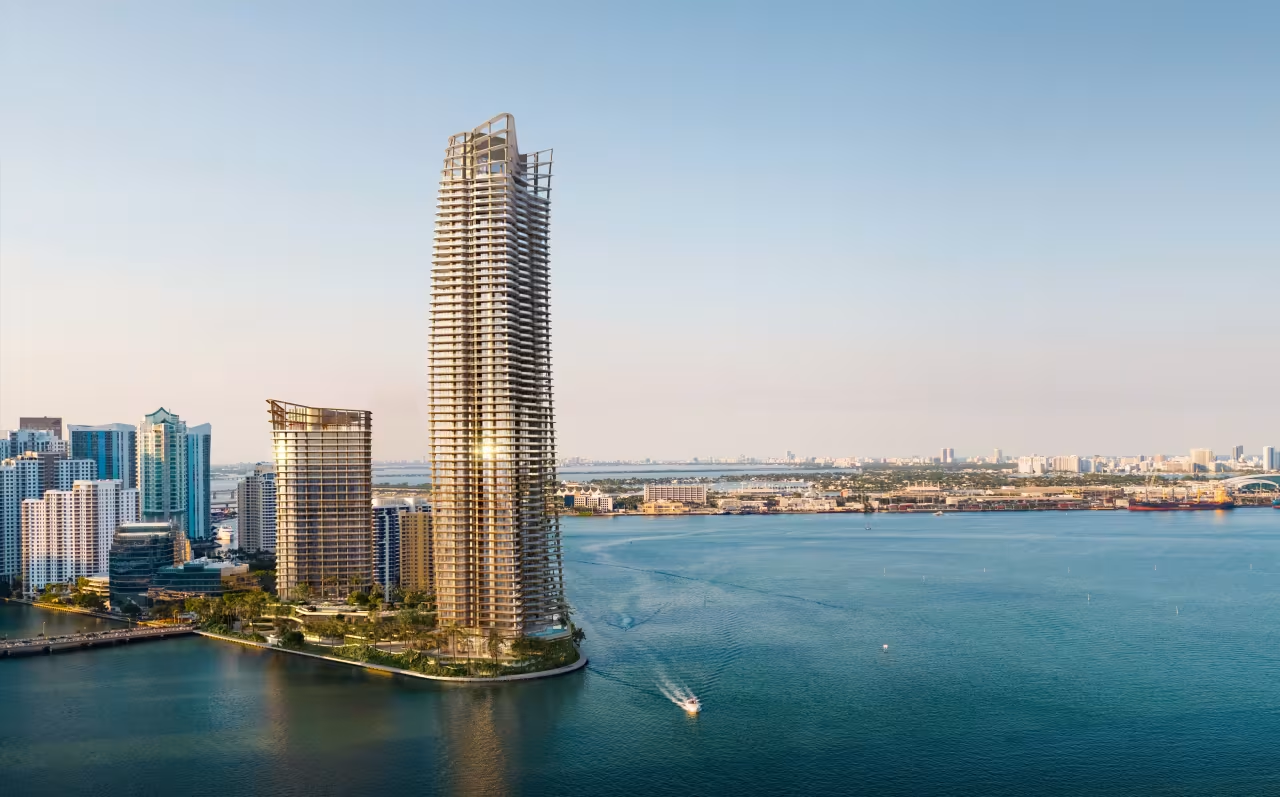
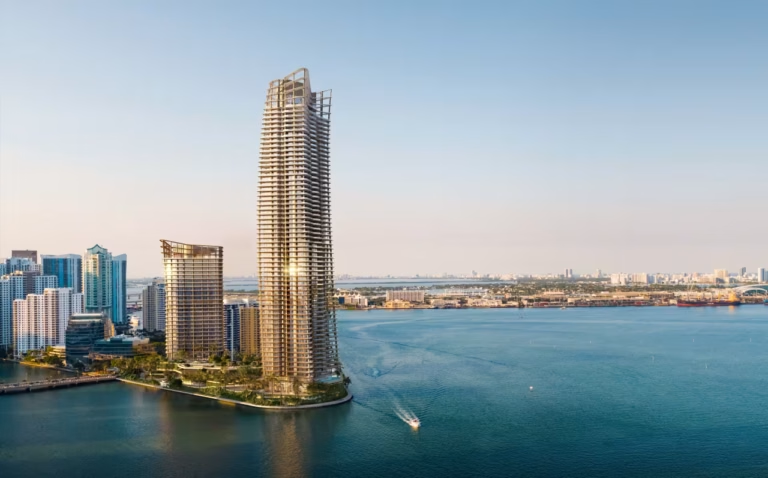
The financing, provided by Tyko Capital, will support Faena Residences Miami, a waterfront development planned by Fortune International Group and KAR Properties in downtown Miami. The project will feature two 68-storey towers containing a combined 434 residences, positioning the development among the city’s most ambitious luxury residential projects. The loan is reportedly the largest construction financing deal of its kind in Florida, surpassing the previous state record of $772 million for two office buildings in West Palm Beach.
Located at 24 Southwest Fourth Street, opposite Brickell City Centre, the development is designed to bring together luxury living, waterfront views and hotel-inspired amenities. Plans include an infinity pool overlooking the Miami River and a private yacht dock, reinforcing the appeal of a lifestyle increasingly marketed to affluent international buyers. Designed by Rafael Viñoly Architects, the project is expected to be completed in 2030.
The financial commitment is backed by substantial early sales. According to reports, the development has generated more than $500 million in condominium sales, including a penthouse purchase valued at $30 million. The presales provide an important signal of demand for the project and help explain why lenders are prepared to commit such significant sums to luxury residential construction.
Miami’s appeal extends beyond its beaches and warm climate. Florida’s lack of a personal income tax, the relocation of major businesses and continuing interest from wealthy buyers have helped strengthen the city’s reputation as a destination for capital and high-end property investment. Developers are increasingly using prestigious international brands to distinguish their projects in a competitive market.
However, the wider picture is more complicated. Migration into Florida has slowed from its pandemic-era peak, and luxury developments do not necessarily reflect the financial realities facing ordinary homebuyers. High property prices, borrowing costs and limited affordability continue to raise questions about who benefits most from the region’s real estate expansion.
The $817 million loan therefore represents more than a financing milestone. It is a high-stakes bet on Miami’s ability to attract global wealth for years to come. If the towers are completed as planned, they could strengthen the city’s luxury property credentials. But the ultimate test will be whether the demand supporting today’s enormous investments remains strong enough to carry the project through to completion.
For now, Miami’s message to the international property market is unmistakable: despite economic uncertainty, the race to build the next landmark address for the world’s wealthiest buyers is far from over.





+ There are no comments
Add yours