







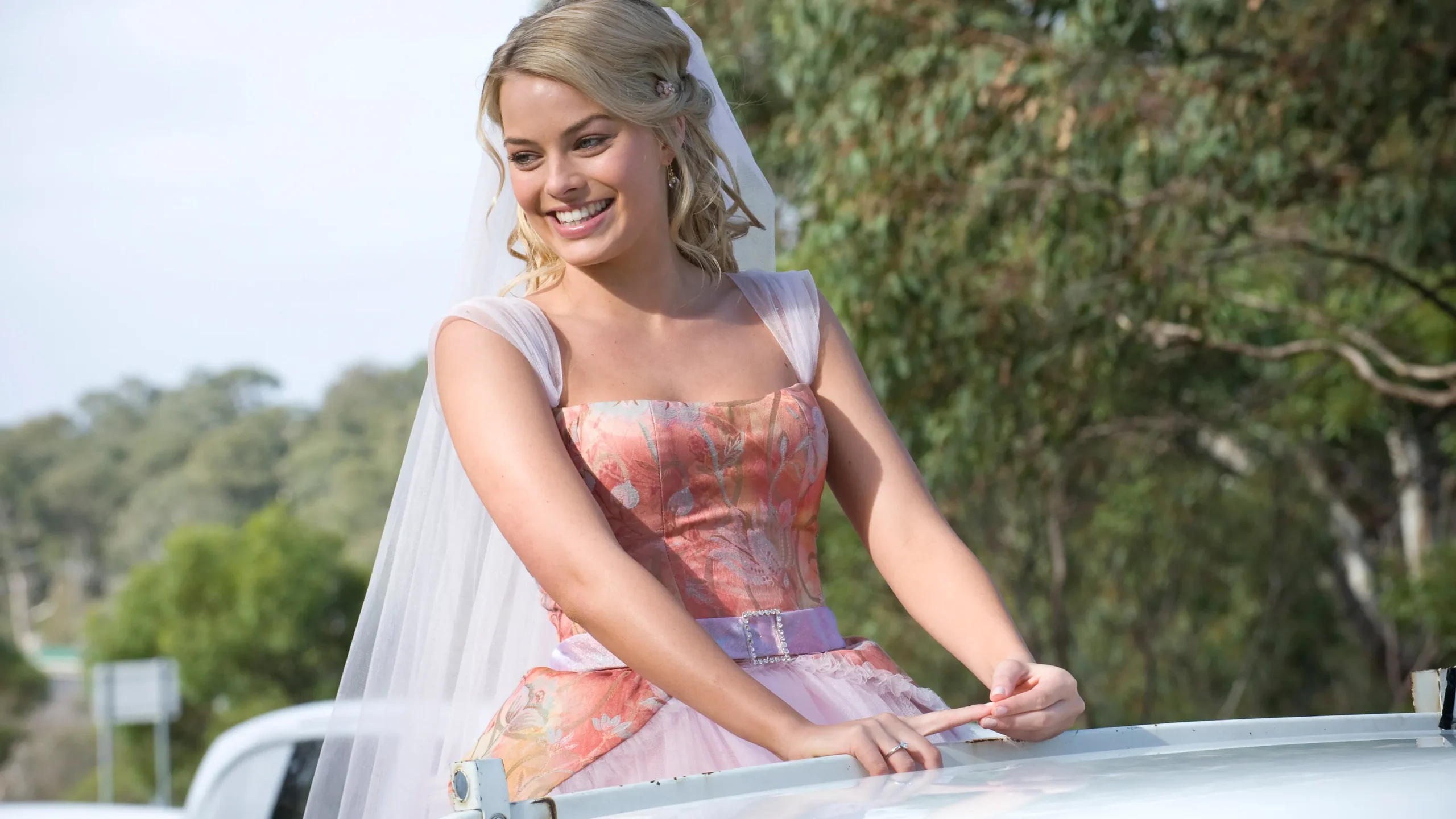
The iconic Australian soap opera is being repackaged into short, vertical episodes for mobile audiences, raising urgent questions about actors’ consent, creative ownership and the future of artificial intelligence in entertainment.
An ambitious attempt to give an old television favourite a new digital life has ignited a growing controversy in the entertainment industry. Neighbours, the long-running Australian soap opera that helped launch Margot Robbie’s career, is being transformed into a series of short, mobile-friendly dramas with the assistance of artificial intelligence (AI). But what producers see as an innovative commercial opportunity, some of the show’s former stars view as a troubling challenge to the rights of performers and the integrity of their work.
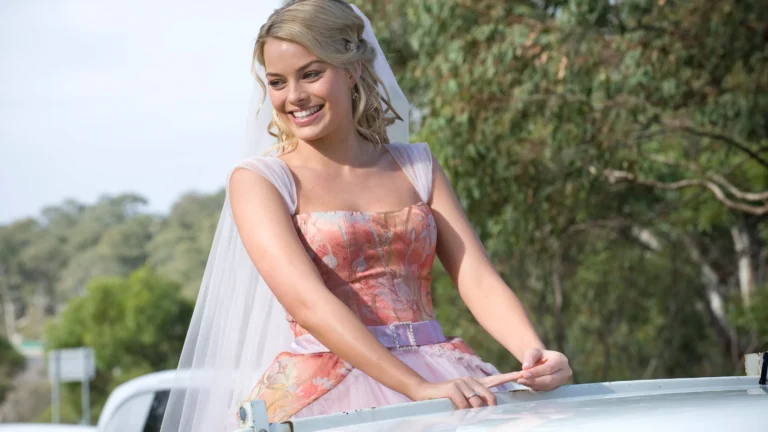
The project, developed by RoseBerry Media in partnership with Neighbours rights holder Fremantle, will focus initially on storylines featuring Robbie as Donna Freedman, the character she played between 2008 and 2011. Two of those storylines are being re-edited into vertical micro-episodes, producing approximately 150 minutes of content for the Epis mobile entertainment platform.
The announcement has placed the beloved television series at the centre of a much larger debate: as artificial intelligence reshapes the entertainment business, who should have the final say over how past performances are reused, repackaged and monetised?
From Ramsay Street to the Smartphone Screen
First broadcast in 1985, Neighbours became one of Australia’s most recognisable television exports. Its fictional Ramsay Street introduced generations of viewers to family rivalries, romances, personal struggles and dramatic twists. Over its decades-long run, the series also became a launching pad for internationally successful performers, including Robbie, Kylie Minogue, Guy Pearce and Jason Donovan.
Robbie’s time on the programme preceded her rise to global stardom through films such as The Wolf of Wall Street, I, Tonya and Barbie. Her early performances now provide the centrepiece for a project designed to introduce classic television stories to audiences accustomed to consuming entertainment on smartphones.
Rather than producing an entirely new series, the companies are adapting existing footage into a vertical format that fits mobile screens. The process involves identifying storylines, restructuring episodes and reframing scenes for shorter viewing sessions.
For the companies behind the project, the strategy offers a way to extend the commercial life of an extensive television archive. For audiences unfamiliar with the original series, it could also provide an accessible introduction to the programme’s characters and stories.
Yet the decision to begin with Robbie’s character inevitably raises another question: is the project primarily an effort to modernise a classic show, or is the international recognition of a now-famous Hollywood star a major part of its commercial appeal?
AI Becomes the Centre of the Controversy
RoseBerry Media is using its RedSnapper production workflow to assist in converting the original episodes into vertical content. According to the companies, the technology supports catalogue analysis, editing and the reframing of footage, while human editors review and approve the process.
Fremantle has stressed that the project uses previously broadcast footage, dialogue and performances. The company has also said the technology does not create new scenes or performances, alter actors’ faces or likenesses, or generate synthetic voices.
Those assurances, however, have not silenced concerns among former cast members.
The controversy is not simply about whether AI can manufacture convincing digital actors. It is also about whether technology should be used to reorganise existing performances into new commercial products without meaningful consultation with the people who helped create the original programme.
Actors’ performances are more than isolated images on a screen. They are the result of years of work, creative collaboration and contractual agreements made under the conditions of an earlier entertainment industry. When those performances are reused in a new format, questions emerge about the scope of original contracts, appropriate compensation and the right of performers to be informed about new uses of their work.
These concerns have become increasingly urgent as entertainment companies explore ways to use AI to extract additional value from existing film and television libraries.
Former Stars Raise Objections
Among the most vocal critics is Stefan Dennis, who played Paul Robinson throughout much of the programme’s history. He has described the proposed AI-assisted transformation as deeply troubling and has indicated that he is seeking advice through his agent.
Another former cast member, Matthew Werkmeister, who played Zeke Kinski, has also raised concerns about the use of his image and performance without what he considers adequate consultation.
Werkmeister said he learned about the arrangement only after being approached for comment. He questioned whether the original contracts signed by young performers could reasonably have anticipated the emergence of AI-assisted editing and the rapid growth of vertical streaming platforms.
The issue is particularly significant for actors who entered the industry as children. Agreements signed years ago may not have contemplated today’s distribution systems, new editing technologies or the commercial opportunities associated with short-form mobile entertainment.
The question of residual payments has also attracted attention. These payments can provide performers and writers with additional compensation when their work is reused, depending on the applicable contracts and agreements. The precise arrangements governing the new format are therefore an important part of the dispute.
Fremantle has maintained that payments to writers and actors will follow their existing agreements and normal processes. Nevertheless, the disagreement highlights a wider tension between established contractual frameworks and technologies that have developed long after many original agreements were signed.
A Multi-Billion-Dollar Market for Short-Form Drama
The Neighbours project arrives as mobile-first entertainment continues to expand internationally. Vertical dramas are designed for viewers watching on smartphones, often using episodes that last around a minute and storylines structured to encourage rapid, repeated viewing.
The format has grown particularly strongly in China and is attracting increasing commercial interest elsewhere. Industry estimates cited in recent reporting have placed the global microdrama market at as much as $15 billion in 2025, illustrating the financial incentives behind efforts to develop new forms of mobile entertainment.
For rights holders, adapting established programmes may offer an alternative to expensive new productions. A library containing thousands of episodes provides a substantial supply of existing characters, dramatic moments and storylines that can be reorganised for contemporary viewing habits.
The strategy could appeal to younger audiences who prefer short videos to traditional television episodes. It may also allow studios to generate revenue from content that would otherwise remain in archives or be watched primarily through conventional streaming services.
But commercial efficiency does not automatically translate into creative innovation. Critics argue that repackaging established programmes may generate revenue without creating comparable opportunities for writers, performers, directors and production crews to make original work.
The success of the business model will depend not only on whether audiences watch the new episodes, but also on whether the industry can establish fair and transparent rules for reusing existing performances.
The Wider Battle Over Consent and Creative Rights
The dispute surrounding Neighbours reflects a broader challenge confronting film, television and other creative industries.
AI systems are increasingly capable of assisting with editing, dubbing, visual effects, script development and digital recreation. These tools can reduce costs and speed up production, but they also raise difficult questions about ownership, permission and compensation.
Performers’ unions and writers’ organisations have argued that creative workers need stronger safeguards as AI becomes more deeply integrated into entertainment production. Australia’s Media, Entertainment and Arts Alliance has offered assistance to Neighbours cast members and their representatives, while the Australian Writers’ Guild has also been in discussions with Fremantle.
At the heart of the debate is a distinction between owning the rights to a television programme and addressing the interests of the people whose creative work gives that programme its value.
A production company may hold the relevant rights to an archive, but performers can still have legitimate concerns about how their work is used, how new revenue is distributed and whether existing agreements adequately protect them in a rapidly changing technological environment.
The answers will have implications far beyond a single Australian soap opera. Similar questions could arise whenever studios revisit older films, television programmes or recorded performances and adapt them for new platforms.
Can Technology Respect Television History?
For Fremantle and RoseBerry Media, the project represents an opportunity to make familiar stories relevant to a new generation. Their argument is that established entertainment properties can find new audiences when adapted to changing viewing habits.
For critics, however, the transformation risks treating a cultural archive primarily as a commercial resource rather than as the product of a collaborative creative process.
The distinction matters. Technology can help preserve, restore and distribute television history, but the way it is deployed can influence whether performers feel their contributions are respected or exploited.
There is also an artistic question: what happens to a story when it is divided into shorter episodes, reframed for a different screen and reorganised around a particular character? The original pacing, supporting performances and relationships between storylines may change when the material is adapted for a new format.
Whether audiences embrace the result remains to be seen. The project’s reception could help determine whether other rights holders follow the same path with their own extensive television archives.
An Industry at a Crossroads
The AI-assisted Neighbours microdrama is more than an experiment in mobile entertainment. It is a test of how the entertainment industry balances technological innovation with creative rights and professional responsibility.
For producers, the appeal is clear: an established programme offers familiar characters, an extensive archive and a potential route to new revenue. For performers, the concern is equally clear: technology must not make consultation, consent and fair compensation less important simply because existing footage can be repurposed more efficiently.
As the industry moves deeper into the AI era, the challenge will be to develop business models that reward innovation without overlooking the people whose work made these programmes valuable in the first place.
The future of television may increasingly fit into the palm of a viewer’s hand. Whether that future can also protect the rights and dignity of the people on screen remains an unresolved question.





+ There are no comments
Add yours