






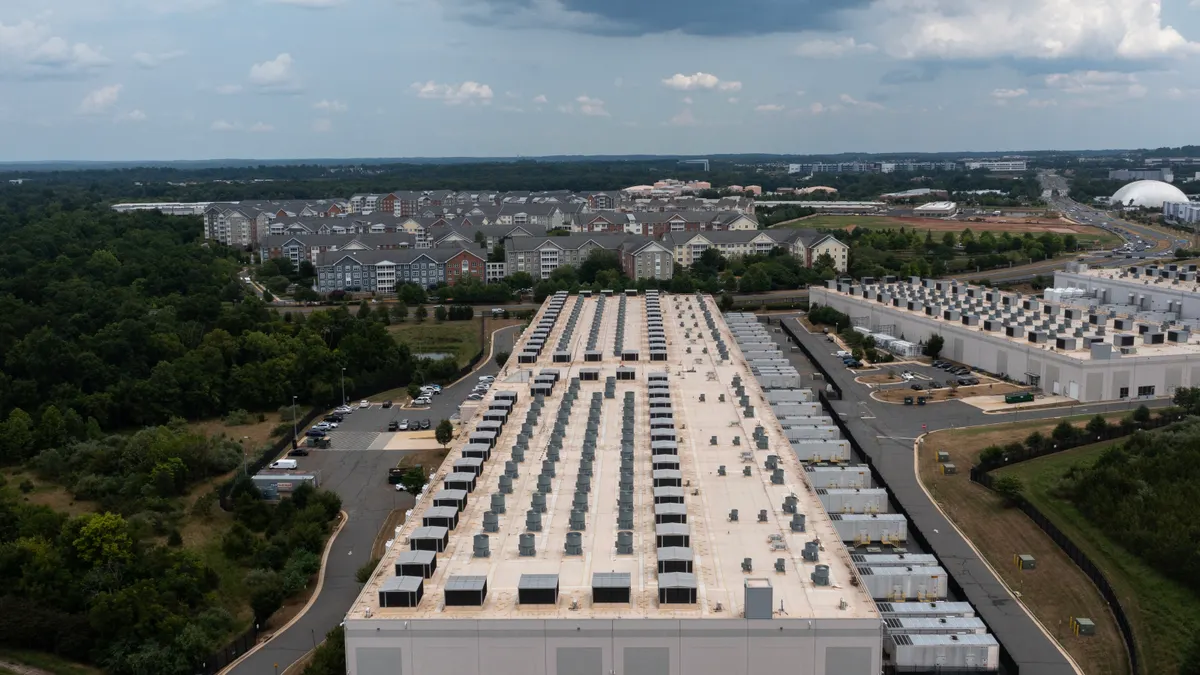
The artificial intelligence boom is transforming an overlooked corner of the United States commercial real estate market, attracting major investors to industrial outdoor storage properties as demand for space to support massive data-center construction continues to rise.
Industrial outdoor storage, commonly known as IOS, consists of open-air yards used to store construction equipment, building materials, generators, delivery vehicles and other heavy machinery. Although these properties have traditionally been owned by small businesses and local operators, the rapid expansion of AI infrastructure is turning them into increasingly attractive investment assets.
According to a report published by The Wall Street Journal on October 26, the growing construction of data centers has created an urgent need for nearby storage facilities. Each gigawatt of new data-center capacity can require approximately 100,000 truckloads of steel, concrete, generators and other equipment, according to DAT Freight and Analytics. These materials must be stored and organized before they can be transported to construction sites.
The growing imbalance between demand and available land is pushing rents higher. Nationally, industrial outdoor storage rents have increased by 32% since 2021, according to real estate services firm CBRE. In eight particularly active markets, including Houston, Savannah and Norfolk, rents have risen by more than 110% since 2020, according to data from Alterra IOS.
Investors are increasingly seeking opportunities in a sector that has historically remained outside the mainstream commercial property market. Brookfield has agreed to acquire outdoor storage owner Peakstone Realty Trust for $1.2 billion, while J.P. Morgan Asset Management has partnered with Zenith IOS to assemble a portfolio of approximately 100 properties across 33 markets. A venture involving Starwood Property Trust also provided $672 million in financing for an outdoor storage portfolio.
The appeal lies partly in the limited availability of suitable sites. Local governments and residents frequently oppose new storage yards because of concerns about noise, heavy truck traffic and their industrial appearance. These restrictions make it difficult to expand supply, even as technology companies and construction contractors require more space.
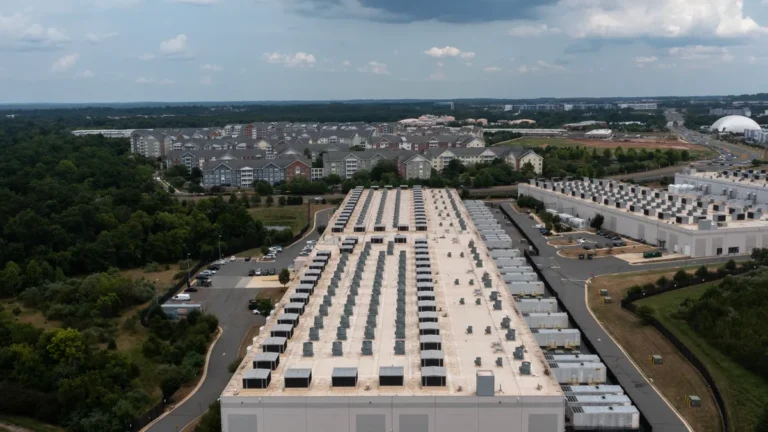
In some locations, the expansion of data centers is worsening the shortage by replacing existing storage facilities. In Manassas, Virginia, more than 200 acres of outdoor storage land are expected to be converted to data-center developments, representing over one-fifth of the area’s existing supply, according to industry estimates cited by the Journal.
However, the sector is not without risks. Higher interest rates can increase financing costs, while a slowdown in AI investment or infrastructure construction could weaken demand. Investors must also consider zoning restrictions, operating expenses and the long-term sustainability of elevated rents.
Despite these challenges, industrial outdoor storage is emerging as a significant beneficiary of America’s technology infrastructure expansion. As investors search for opportunities beyond traditional offices, shopping centers and residential properties, these once-overlooked yards are gaining prominence in the commercial real estate market.
The sector’s future will depend on whether demand for AI infrastructure and construction-related storage remains strong enough to support continued investment and rising property values.






+ There are no comments
Add yours