





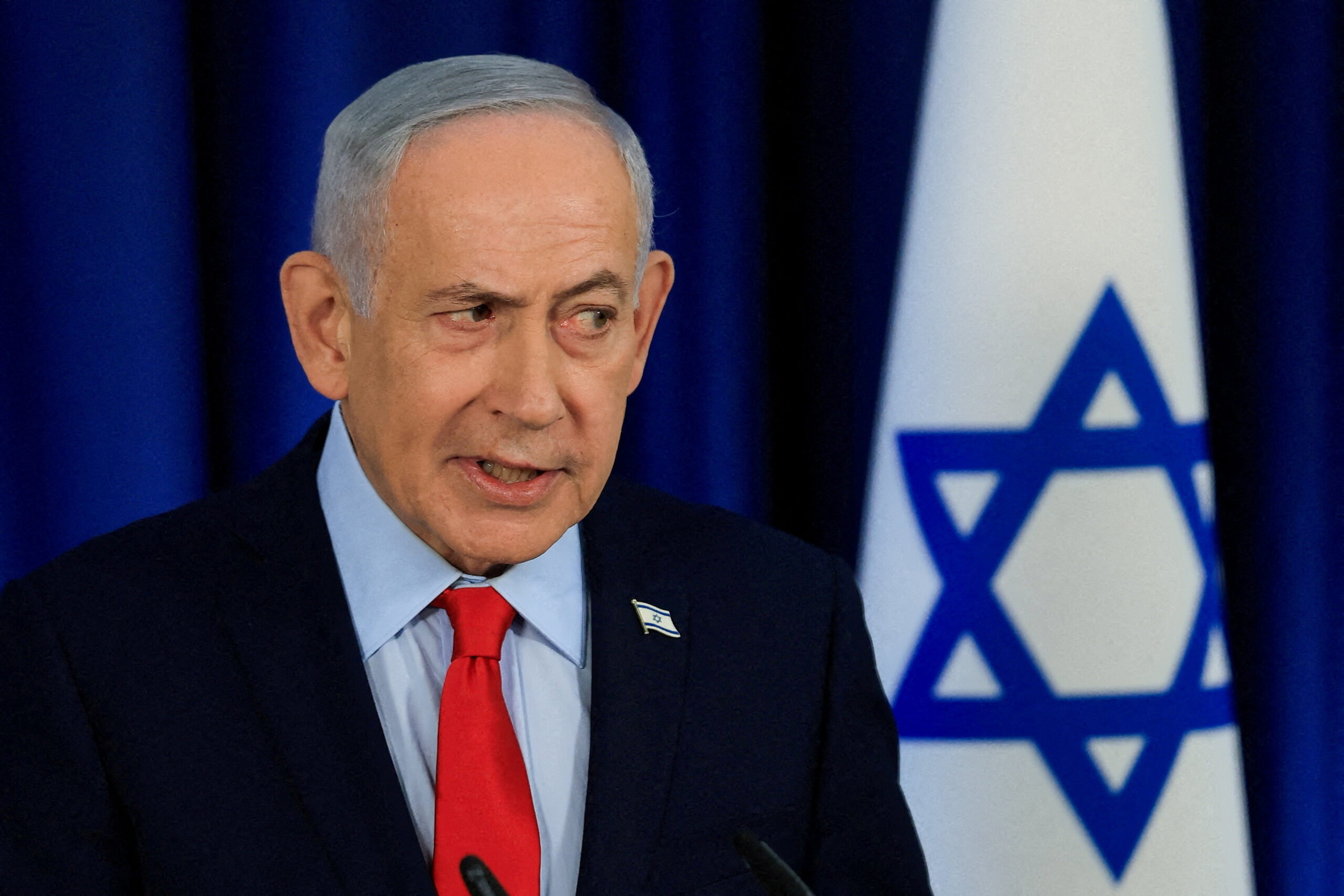
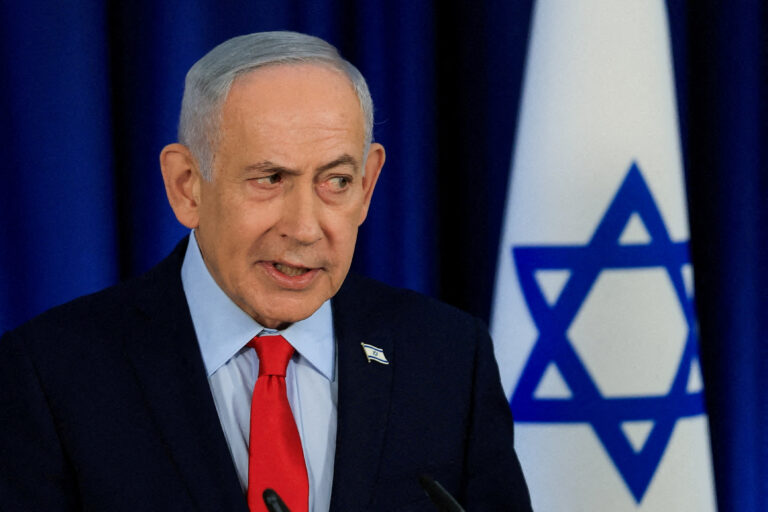
Israeli Prime Minister Benjamin Netanyahu is facing a critical political test as voters head to the polls in an election shaped by national security concerns, years of regional conflict and growing divisions over the country’s future. The outcome could determine whether Netanyahu extends his long political career or gives way to a new governing coalition seeking a different direction for Israel.
The election comes at a pivotal moment for the country, following the Hamas-led attack on Israel on October 7, 2023, and the devastating war in Gaza that followed. Security, the fate of hostages, military strategy and relations with international partners have remained central issues in the political debate. Netanyahu has defended his leadership by highlighting his experience in security matters and his commitment to protecting Israeli interests.
However, his government continues to face criticism over the security failures that preceded the October 2023 attack. Opposition figures and families of victims have demanded greater accountability, including an independent investigation into how the attack occurred and why Israel’s security establishment failed to prevent it. Critics have also questioned the government’s management of the war and its broader strategy for achieving long-term stability.
Among Netanyahu’s principal political challengers is Gadi Eisenkot, a former military chief who has called for greater accountability, national unity and reforms to the country’s political leadership. His political appeal is tied to growing public debate over military service, the distribution of national responsibilities and the need to rebuild trust in government institutions.
The issue of military-service exemptions for ultra-Orthodox Jewish men has become particularly contentious. With Israel facing prolonged military demands, critics argue that a broader sharing of service obligations is necessary. Religious parties, meanwhile, have defended arrangements that allow many members of their communities to pursue religious studies instead of compulsory military service.
Israel’s proportional parliamentary system adds another layer of uncertainty. The 120-seat Knesset requires a governing coalition to command the support of at least 61 members. Consequently, even a strong performance by one political bloc may not guarantee a stable government. Coalition negotiations could prove decisive if no side secures a clear parliamentary majority.
The implications extend beyond Israel’s borders. The next government will confront continuing regional security challenges, tensions surrounding the Palestinian territories, humanitarian concerns in Gaza and strained relationships with parts of the international community. Its decisions could influence diplomatic efforts, regional stability and the prospects for future negotiations.
For Netanyahu, the election represents an important test of public confidence after years of political controversy and conflict. For his opponents, it offers an opportunity to reshape the country’s leadership and priorities.
As Israelis cast their ballots, the central question is whether voters will choose continuity under Netanyahu or support a change in political direction. The result will help determine not only who governs Israel but also how the country approaches security, accountability and its future role in an increasingly volatile Middle East.







+ There are no comments
Add yours