







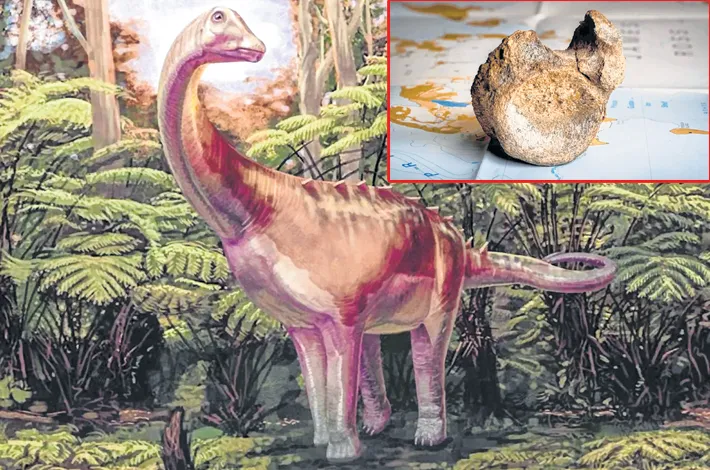
Scientists have confirmed that a fossil stored in a museum collection for nearly four decades is the first known dinosaur bone ever identified from Antarctica, marking a remarkable breakthrough in the continent’s paleontological history. The discovery comes after researchers reexamined the specimen, which had been misidentified since it was first collected during an expedition in the 1980s.
The fossil, a fragment of a large dinosaur bone, had remained largely overlooked in museum archives after being mistakenly classified as belonging to another prehistoric animal. Advances in fossil analysis and a fresh review by paleontologists eventually revealed that the specimen was, in fact, part of a dinosaur, making it the earliest confirmed dinosaur bone discovered on the frozen continent.
Researchers say the finding provides valuable evidence that dinosaurs once inhabited Antarctica when the continent enjoyed a much warmer climate and formed part of the ancient supercontinent Gondwana. During the age of dinosaurs, Antarctica was covered with forests and supported a diverse range of plants and animals, vastly different from the icy landscape seen today.
Detailed examination of the fossil indicates it likely belonged to a large plant-eating dinosaur that roamed the continent millions of years ago. While the bone fragment alone cannot identify the exact species, scientists believe it adds an important piece to the puzzle of dinosaur evolution and migration across the southern continents.
The discovery also highlights the importance of museum collections, where thousands of fossils remain preserved and continue to yield new scientific insights long after they are collected. Researchers note that many specimens gathered decades ago may still hold undiscovered secrets as modern technology allows for more accurate identification and analysis.
Paleontologists believe the confirmed identification could encourage renewed exploration in Antarctica, despite the logistical challenges posed by its harsh environment. Additional fossil discoveries may help scientists better understand how dinosaurs adapted to seasonal darkness and changing climates in the ancient polar region.
The newly confirmed fossil serves as a reminder that significant scientific discoveries do not always come from new excavations. Sometimes, the answers have been waiting quietly in museum drawers for decades, only to be revealed through careful reexamination and advances in scientific research.








+ There are no comments
Add yours