







Obesity may contribute to a greater proportion of cancer cases than previously estimated, according to new research by German scientists.
Researchers examined health data from more than 458,000 people over a period of about 12 years and found evidence linking excess body weight with a higher risk of developing several types of cancer. Their analysis suggests that as many as 11.5% of cancer cases could be associated with excess body weight.
The findings add to a growing body of research showing that obesity can affect more than heart health and blood sugar levels. Excess body fat is increasingly recognised as an important risk factor for a number of cancers.
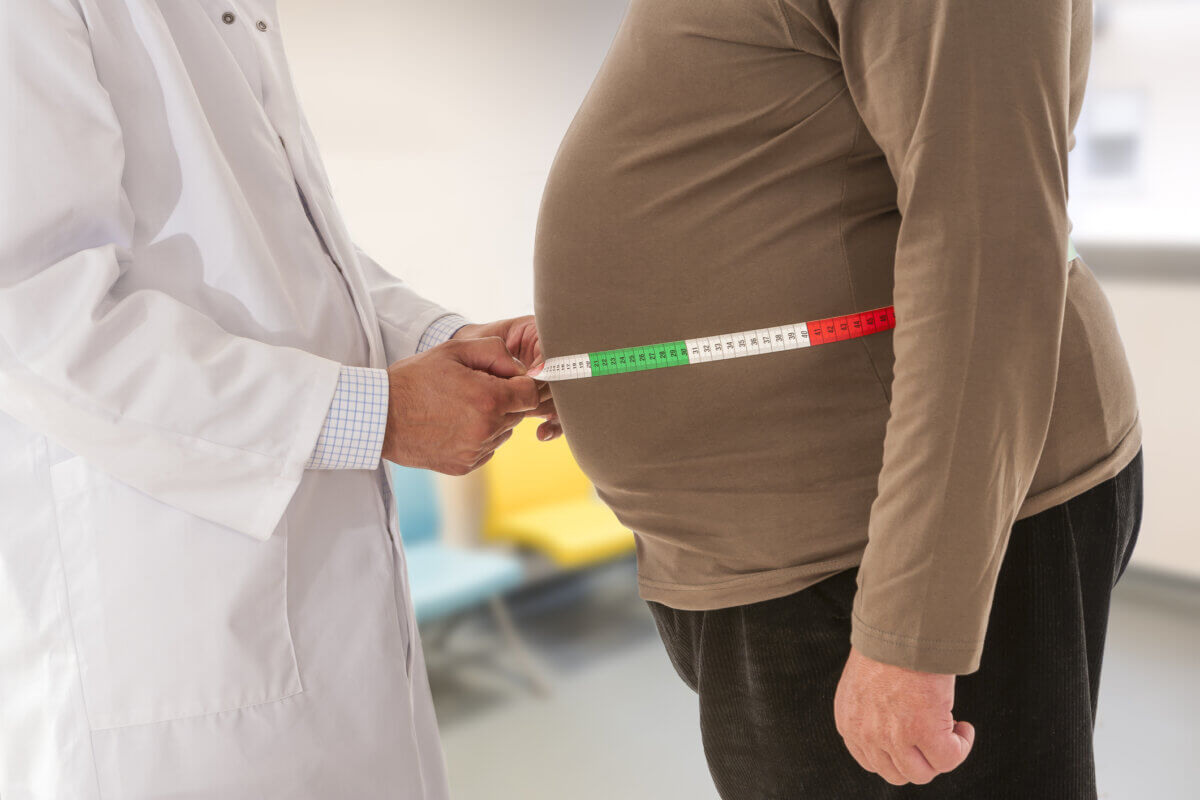
The researchers highlighted the potential importance of abdominal fat, particularly fat stored around the organs. This type of fat can be biologically active and may contribute to persistent inflammation throughout the body.
Chronic inflammation can damage cells and alter normal biological processes. Excess body fat can also influence hormones and metabolic signals involved in cell growth, potentially creating conditions that support the development of tumours.
Obesity has been associated with several cancers, including cancers affecting the bowel, liver, pancreas, kidney and womb, as well as certain types of breast cancer.
The researchers’ findings suggest that measuring body weight alone may not provide a complete picture of cancer risk. Where fat is stored, particularly around the abdomen, may also be important when assessing the potential health effects of obesity.
However, the study does not mean that obesity directly causes every cancer case or that people with obesity will necessarily develop cancer. Cancer is a complex disease, and risk is influenced by many factors, including genetics, age, smoking, alcohol consumption, diet, physical activity and environmental exposures.
The findings nevertheless underline the potential importance of preventing and managing excess weight as part of wider efforts to reduce cancer risk.
Health experts generally recommend maintaining a healthy weight through a balanced diet and regular physical activity, while also avoiding tobacco, limiting alcohol and following recommended cancer screening programmes.
The researchers say a better understanding of how excess body fat affects cancer development could help improve prevention strategies and identify people who may benefit from earlier intervention.










+ There are no comments
Add yours