







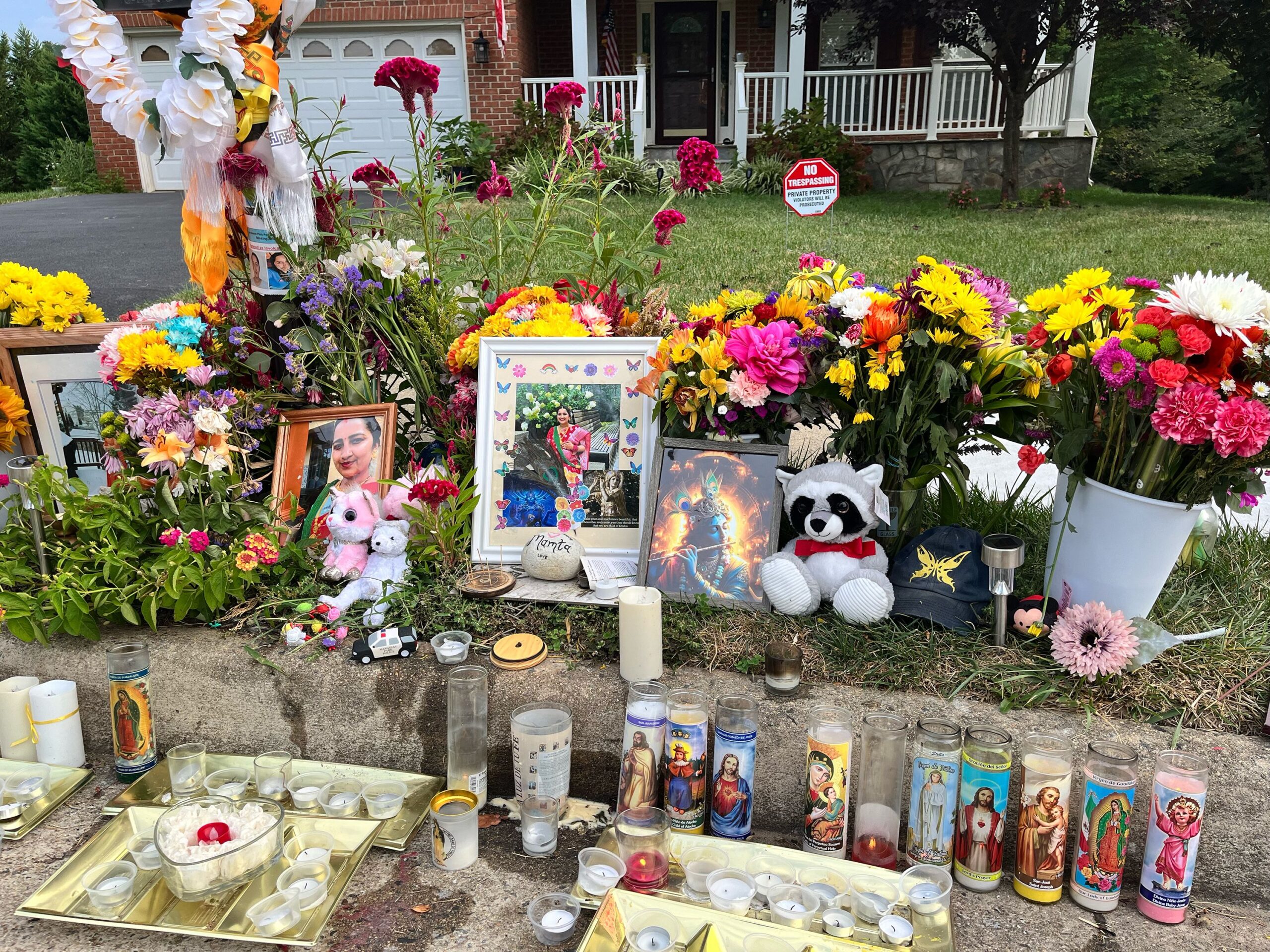
After nearly six weeks of testimony, a US jury finds Naresh Bhatt guilty of murdering his wife, Nepali nurse Mamta Kafle, whose body has remained missing since July 2024.
A long-awaited verdict has brought a measure of justice in one of the most disturbing murder cases to grip the Nepali community in the United States. A jury in Virginia has found Naresh Bhatt guilty of first-degree murder in the killing of his wife, Mamta Kafle, a Nepali nurse whose disappearance in July 2024 sparked an extensive investigation and widespread international concern.
The verdict marks a major turning point in a case that has haunted Mamta’s family, friends and members of the Nepali diaspora for more than two years. Despite the conviction, the mystery surrounding the exact location of her remains continues, leaving loved ones without the opportunity to recover her body and give her a proper farewell.
Bhatt was also convicted of defiling and concealing his wife’s body. During the trial, he admitted that he had dismembered and disposed of her remains, adding another deeply disturbing dimension to a case that has drawn intense public attention. The jury reached its decision after nearly six weeks of testimony, examining evidence and hearing accounts that exposed the horrifying circumstances surrounding Mamta’s disappearance and death.
For the Nepali community, the verdict represents more than the conclusion of a criminal trial. It is a moment of relief after months of uncertainty, grief and demands for accountability. Members of the community gathered outside the courthouse following the announcement, welcoming the decision and expressing solidarity with Mamta’s family.
Mamta Kafle was a nurse whose disappearance raised urgent questions about her safety and whereabouts. When she vanished in July 2024, concern spread rapidly among friends and members of the Nepali community, many of whom joined efforts to draw attention to the case and seek answers. As the investigation developed, the case became a painful reminder of the vulnerability of victims of domestic violence and the devastating consequences that can follow behind closed doors.
The conviction now places Bhatt on the path to a lengthy prison sentence. He faces a minimum of 20 years and up to life in prison for the first-degree murder conviction. His sentencing is scheduled for March, when the court will determine the punishment for the crimes.
Yet even as the verdict brings a significant legal conclusion, one heartbreaking question remains unanswered: Where are Mamta’s remains? For her family, the absence of her body means that the grieving process remains painfully incomplete. A conviction can establish criminal responsibility, but it cannot replace the dignity of bringing a loved one’s remains home.
The case has also renewed attention to domestic violence, an issue that frequently remains hidden until it reaches a devastating breaking point. Advocates have long warned that warning signs of abuse must be taken seriously and that victims need access to support, protection and safe avenues to seek help.
Across the Nepali diaspora, Mamta’s name has become associated with a painful demand for justice and accountability. Her story has crossed borders, drawing attention to the experiences of immigrant women and the importance of protecting people who may face isolation far from their extended families and support networks.
The Virginia jury has delivered its verdict. But for those who loved Mamta, justice will remain accompanied by grief, unanswered questions and the hope that her remains will one day be found.
Her life was more than the tragedy that brought her name into international headlines. And while the courtroom has reached its decision, the search for answers surrounding her final fate remains an unfinished chapter.









+ There are no comments
Add yours