






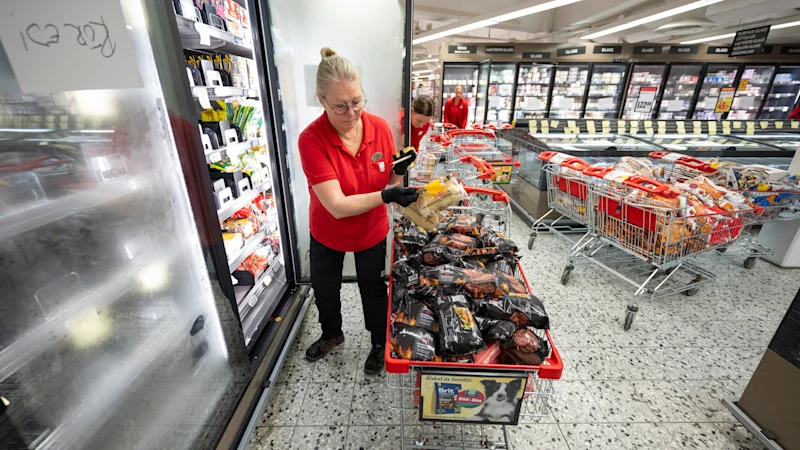
An unprecedented digital assault on supermarket refrigeration systems has raised alarm across Europe, prompting Paris to threaten sanctions against Tehran and warning of a growing cyberwar targeting critical infrastructure.
France has accused Iran’s powerful Islamic Revolutionary Guard Corps (IRGC) of orchestrating a series of cyber-attacks that disrupted supermarket refrigeration systems, destroying large quantities of chilled and frozen food and raising fresh fears about the vulnerability of Europe’s essential infrastructure.
French Foreign Minister Jean-Noël Barrot described the incidents as unprecedented, accusing Iranian-linked operatives of targeting commercial systems responsible for preserving food supplies. He warned that France would impose sanctions against those responsible and confirmed that Iran’s ambassador had been summoned to Paris to receive a formal diplomatic protest.
The attacks reportedly began on October 11, striking more than 100 Coopérative U supermarkets and approximately 180 Intermarché and Netto outlets. The disruption affected refrigeration operations, leaving stores struggling to maintain safe temperatures for perishable products. As cooling systems failed, large quantities of meat, dairy products, frozen meals and other temperature-sensitive goods were reportedly lost.
What initially appeared to be a technical disruption has developed into a serious national security concern. Similar incidents were subsequently reported in supermarkets across several other European countries, raising questions about whether the attacks were part of a coordinated campaign targeting the continent’s commercial infrastructure.
For France, the incident represents a worrying escalation in the use of cyber operations against civilian businesses. Supermarkets are essential components of national supply chains, and disrupting their digital systems can create economic damage, food waste and potential risks to public health.
The accusations also come amid growing tensions between European governments and Tehran over regional security and alleged Iranian involvement in hostile activities abroad.
French authorities have indicated that those responsible could face financial and diplomatic consequences. Sanctions would potentially target individuals and organisations suspected of involvement in the cyber operations, although the precise measures have yet to be announced.
Iran has not officially responded to the accusations, and the allegations against the IRGC have not been independently established publicly.
The incident highlights a growing challenge for European governments: modern supermarkets depend on interconnected digital systems to manage refrigeration, inventory, logistics and payments. While these technologies make businesses more efficient, they also create vulnerabilities that sophisticated attackers could potentially exploit.
Security experts have increasingly warned that cyberwarfare is no longer limited to government databases, military networks or financial institutions. Essential civilian services, including electricity, transport, healthcare and food distribution, can also become targets.
For European leaders, the supermarket attacks are a warning that national security extends far beyond traditional battlefields. A disruption to a refrigeration network can destroy food supplies just as effectively as a physical attack on a warehouse.
As France prepares its diplomatic response, the investigation could become another major test of Europe’s ability to defend its critical infrastructure against increasingly sophisticated cyber threats.









+ There are no comments
Add yours