
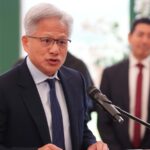


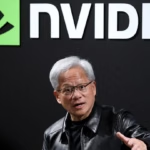


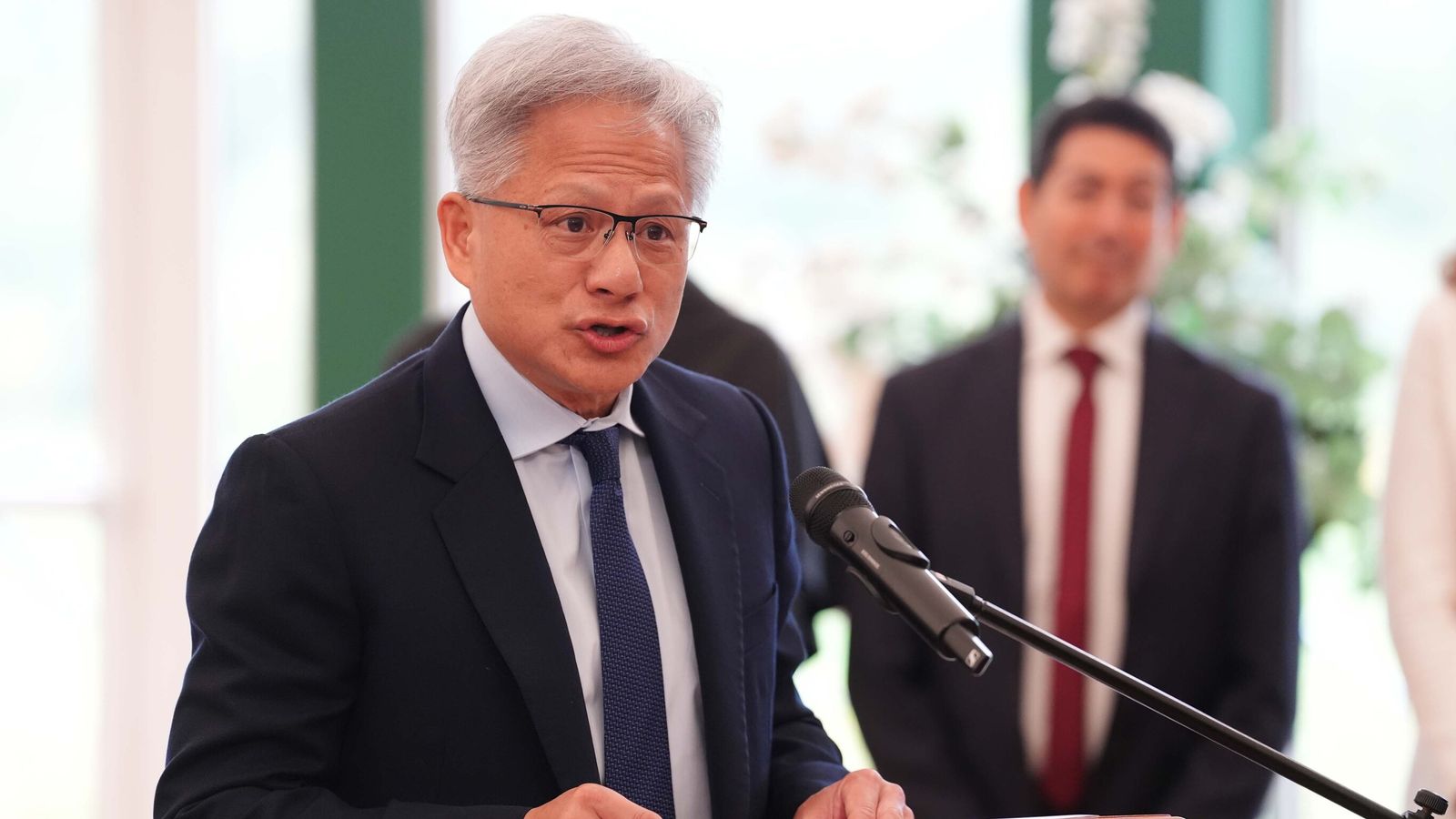
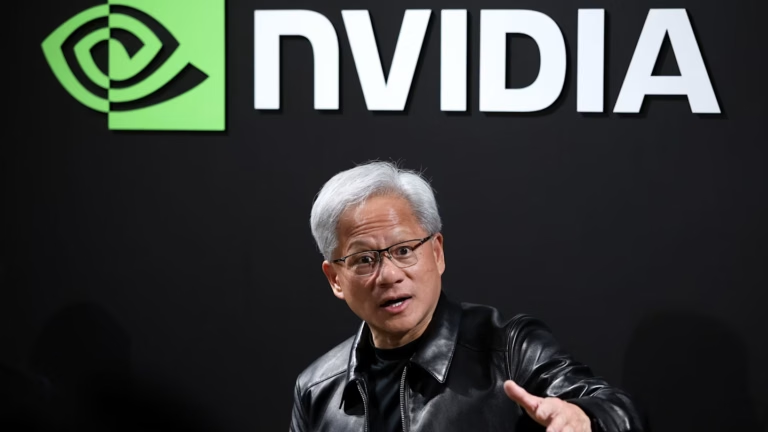
The world’s most powerful artificial intelligence chipmaker is facing an extraordinary leadership and reputational crisis after U.S. President Donald Trump confirmed that the FBI is examining allegations involving Nvidia chief executive Jensen Huang and a Chinese businesswoman suspected of having links to Beijing’s intelligence network.
The controversy has sent shockwaves through the global technology industry, raising questions about corporate security, investor confidence and the increasingly sensitive relationship between Washington and Beijing over advanced artificial intelligence technology.
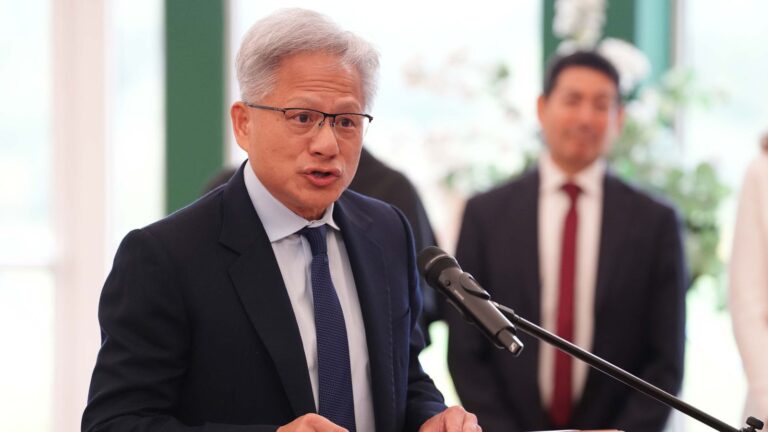
Trump said on Monday that he had spoken directly with Huang, who reportedly told him he had no knowledge that the woman was allegedly working as a Chinese intelligence agent. The president expressed confidence in the Nvidia chief, saying he believed Huang’s explanation and expected him to emerge from the controversy in good shape. However, confirmation of the FBI’s involvement has intensified scrutiny surrounding the semiconductor giant.
The controversy emerged after reports alleged that Huang had a close personal relationship with Alice Huang, a former executive associated with Singapore-based data centre company Megaspeed International. U.S. intelligence officials reportedly believe she passed information to Beijing. China has rejected the espionage narrative, describing the allegations as unfounded.
Nvidia’s board has launched an independent investigation to determine whether its chief executive was targeted by a foreign intelligence operation and whether any sensitive company information or national security interests were exposed. The company has stressed that its board has no reason to believe that Nvidia’s trade secrets or U.S. national security have been compromised.
Huang, who co-founded Nvidia and transformed it into a global powerhouse, has acknowledged being unfaithful to his wife and apologised to his family, colleagues and business partners. He has also pledged to cooperate with the investigation and reaffirmed his commitment to protecting the company and supporting American national security.
Financial markets have reacted sharply. Nvidia shares fell more than 4% on Monday, wiping out approximately $190 billion in market value and adding pressure to a company already facing questions about the sustainability of the massive global spending on artificial intelligence infrastructure.
The crisis also threatens to become a political battle. Lawmakers in Washington are demanding greater transparency, with congressional leaders calling for a dedicated briefing on the national security implications. Some politicians are also pushing for tougher restrictions on the export of advanced American AI chips to China.
The stakes are enormous. Nvidia’s processors power some of the world’s most advanced AI systems, making the company central to America’s technological competition with China. Any indication that sensitive technology or commercial intelligence may have reached Beijing could trigger tighter export controls, additional regulatory scrutiny and complications for international business partnerships.
For investors, another major concern is Huang himself. His leadership, industry relationships and long-term vision have played a defining role in Nvidia’s extraordinary rise. Uncertainty surrounding his position could therefore create instability far beyond the company’s boardroom.
The controversy also arrives at a particularly sensitive moment for the global semiconductor industry, where access to advanced chips has become a strategic economic and geopolitical weapon.
Nvidia has built its dominance on technological innovation, investor confidence and its central position in the AI revolution. Now, the company must demonstrate that its corporate governance and security safeguards are strong enough to withstand a crisis involving one of the world’s most influential technology executives.
As the FBI investigation and Nvidia’s internal review continue, the consequences could extend well beyond one executive’s personal life, potentially reshaping investor sentiment, technology policy and the future of U.S.-China competition in artificial intelligence.



+ There are no comments
Add yours