







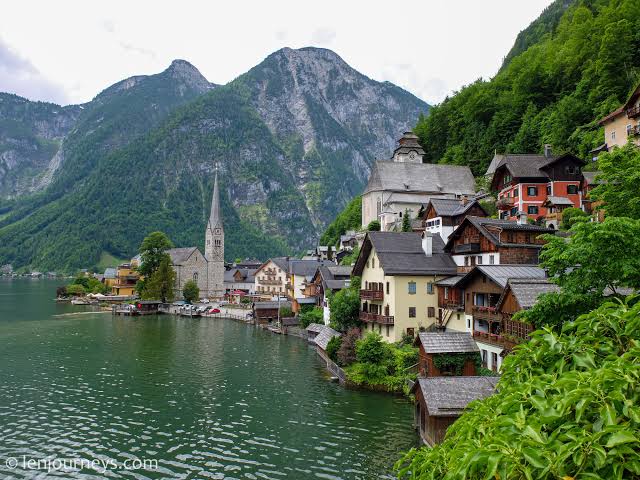
Nestled between the dramatic Austrian Alps and the calm waters of Lake Hallstatt, the small village of Hallstatt has become one of Europe’s most recognizable travel destinations. With its traditional houses climbing the mountainside, church spires rising above the lakeshore and towering peaks surrounding the water, the village looks almost like a scene from a fairytale.
Yet Hallstatt is much more than a beautiful place for photographs. Behind its postcard-like appearance is thousands of years of history shaped by one valuable natural resource: salt.
The Hallstatt-Dachstein/Salzkammergut Cultural Landscape has been listed as a UNESCO World Heritage site since 1997. UNESCO describes the region as an outstanding combination of dramatic alpine scenery and evidence of centuries of human activity, particularly the area’s long history of salt production.
People have lived in the Hallstatt area for thousands of years, with salt deposits playing a central role in the development and prosperity of the settlement. Archaeological evidence shows that salt was being exploited in the wider region as early as the 2nd millennium BC. The importance of salt eventually became so closely associated with the settlement that the name Hallstatt is connected with the meaning “salt settlement.”
The village’s architecture is one of the reasons travelers are drawn to it. Because the settlement sits in a narrow space between the lake and steep mountains, houses were built in a distinctive, tightly packed and sometimes stepped arrangement. This unusual setting creates the famous views that have made Hallstatt a favorite destination for photographers and travelers from around the world.
Walking through the village offers a very different experience from simply viewing it from across the lake. Narrow streets lead past historic homes, small shops, restaurants and traditional buildings, while the waterfront provides sweeping views of the surrounding mountains. On calm days, the mountains and houses can be reflected in the lake, creating one of the most recognizable landscapes in Austria.
Hallstatt has also endured major changes over the centuries. The village center was devastated by a major fire in the 18th century and was subsequently rebuilt. Some of the historic buildings that visitors see today reflect that period of reconstruction.
The surrounding landscape adds another dimension to a visit. The wider Dachstein-Salzkammergut region features alpine mountains, lakes, caves and hiking routes. The Dachstein area is particularly popular with visitors interested in mountain scenery and outdoor activities, while nearby attractions include the Dachstein Ice Cave, Mammut Cave and the Five Fingers viewing platform.
For travelers, Hallstatt offers experiences in every season. Summer brings green mountain slopes, long days and opportunities to explore the lake and surrounding trails. Autumn transforms the landscape with warmer colors, while winter can give the village a quieter atmosphere as snow covers the surrounding mountains and rooftops.
The village’s popularity, however, also presents a challenge. Hallstatt is part of a protected cultural landscape, meaning tourism must be balanced with the preservation of its historic environment. UNESCO has emphasized the importance of protecting the property’s outstanding universal value and recommended heritage-impact assessments for major development proposals that could affect the site.
Today, Hallstatt stands at the intersection of nature, history and modern tourism. Its spectacular location may be what first attracts visitors, but its ancient salt-mining heritage explains why the village has remained important for so many centuries.
For travelers searching for an Alpine destination that combines breathtaking scenery with deep cultural history, Hallstatt offers something rare: a place where a peaceful lakeside village, towering mountains and thousands of years of human history exist within the same extraordinary landscape.







+ There are no comments
Add yours