







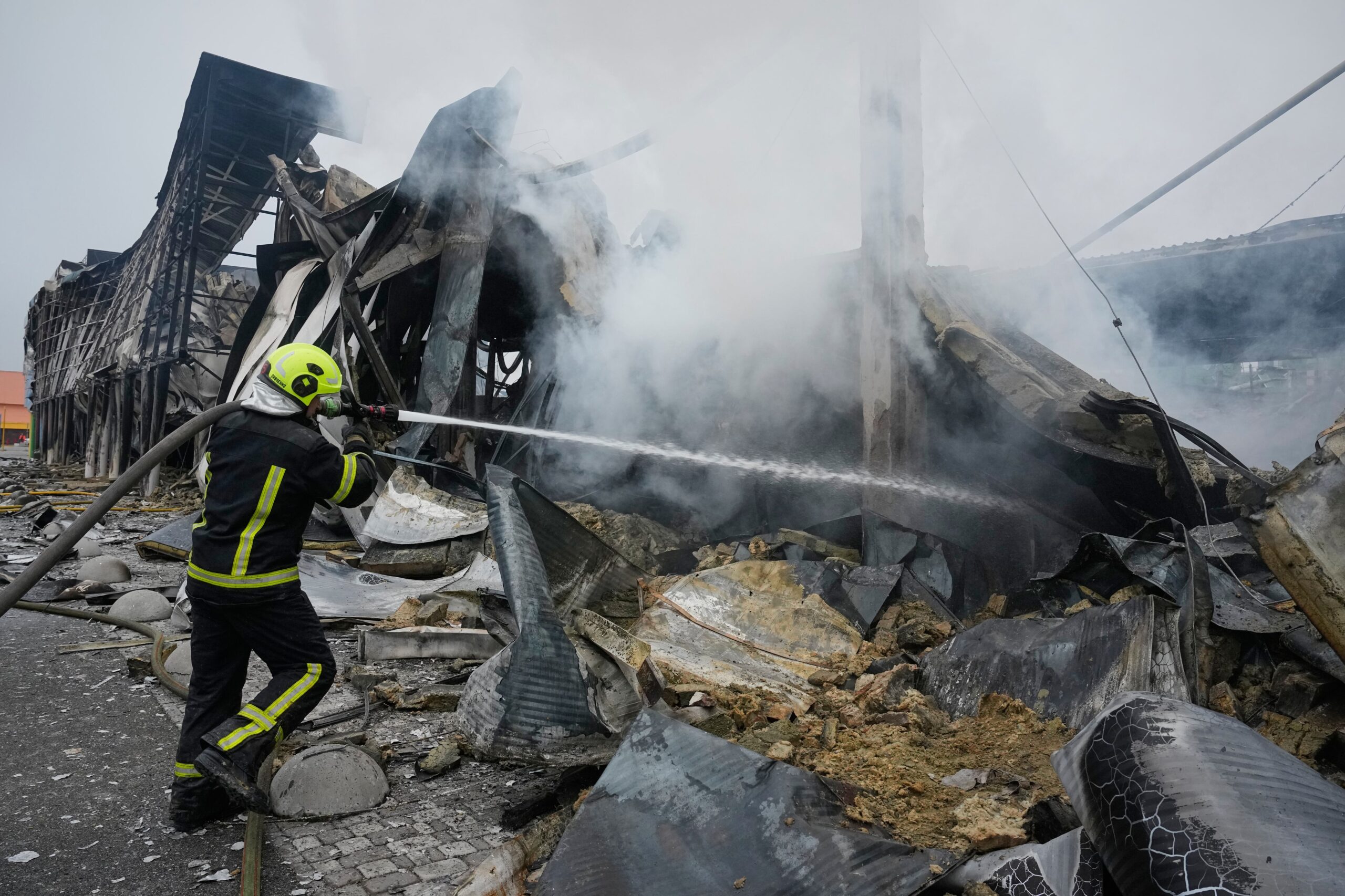
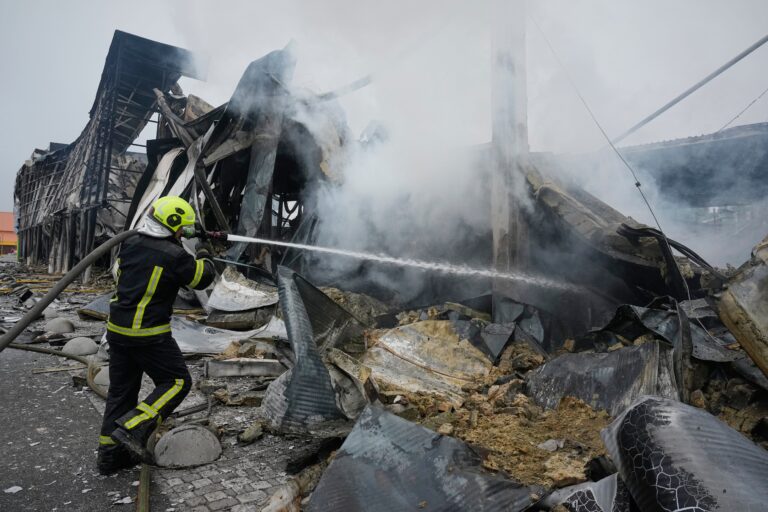
Explosions were reported across parts of Kyiv early on Saturday, 7 November, as Russian forces launched missiles towards the Ukrainian capital. Emergency services rushed to affected areas to assess the damage and assist residents following reports of strikes on several buildings.
Kyiv Mayor Vitali Klitschko said debris from the attack struck a five-storey residential building in the western part of the city. Another apartment building was also damaged, while a building housing a kindergarten was affected. Authorities confirmed that two people had been injured.
The attack has once again highlighted the dangers facing civilians in Ukraine, where residential neighbourhoods and essential infrastructure have repeatedly come under attack since Russia launched its full-scale invasion in February 2022.
For residents of Kyiv, the threat of missile and drone strikes has become part of everyday life. Air raid warnings, emergency shelters and sudden explosions continue to disrupt normal activities, while families remain concerned about their safety and the future of their communities.
Ukrainian President Volodymyr Zelensky had warned that Russia could launch further attacks against critical infrastructure, including energy facilities and bridges. His warning has increased concerns about the country’s ability to protect essential services as winter approaches.
Damage to electricity and heating facilities could create additional difficulties for millions of Ukrainians, particularly elderly people, children and families living in areas already affected by the conflict. Ukrainian authorities face the difficult task of maintaining public services while continuing to defend the country’s territory.
The latest missile attack also comes at a sensitive moment for international diplomacy. US-led negotiations involving Russian and Ukrainian representatives are expected to take place in Abu Dhabi, offering another opportunity to discuss a possible end to the conflict.
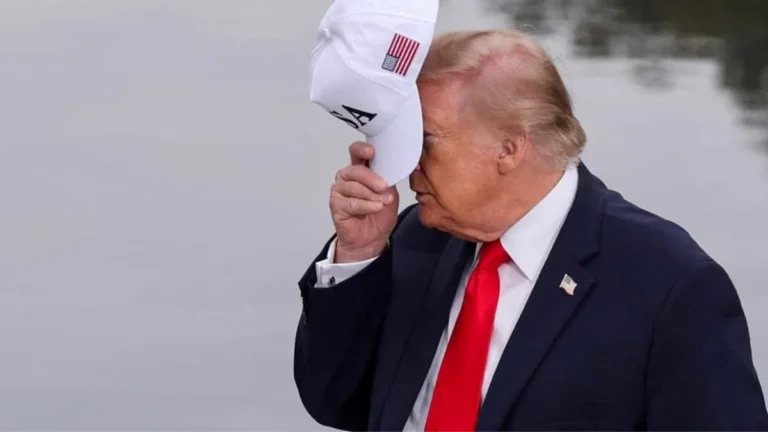
The diplomatic initiative places significant responsibility on political leaders, particularly US President Donald Trump, who has repeatedly expressed his intention to bring the war to an end. His administration faces the challenge of encouraging both Moscow and Kyiv to consider negotiations despite their continuing disagreements.
Russian President Vladimir Putin and Ukrainian President Volodymyr Zelensky remain central figures in determining the future of the conflict. Their governments have maintained different positions on territorial control, security arrangements and Ukraine’s political future, making a lasting agreement difficult to achieve.
For Ukraine, any potential settlement will involve questions about national sovereignty, territorial integrity and long-term security guarantees. Kyiv has consistently stressed the importance of protecting its independence and preventing further Russian military aggression.
Moscow, meanwhile, continues to pursue its military objectives and has maintained demands concerning territory and Ukraine’s future security arrangements. These differences remain major obstacles to diplomatic progress.
European leaders are also closely monitoring the situation, particularly because the outcome of the war could have lasting consequences for European security. Governments across the continent have provided Ukraine with military, financial and humanitarian assistance while calling for a peaceful resolution that respects international law.
The latest attack could complicate diplomatic efforts by increasing tensions between the countries involved. It also raises questions about whether negotiations can achieve meaningful progress while military operations continue.
Beyond the immediate political discussions, the conflict has created serious economic consequences. Ukraine’s infrastructure, agricultural production, transport networks and energy facilities have suffered extensive damage. Millions of people have been displaced, while reconstruction is expected to require substantial international investment.
The war has also affected global energy markets, international trade and relations between major powers. As a result, the decisions taken by political leaders in Washington, Moscow, Kyiv and European capitals could influence international security and economic stability for years to come.
For Washington, the upcoming discussions represent another test of diplomatic leadership. For European governments, the challenge is to maintain support for Ukraine while contributing to efforts that could eventually bring an end to the fighting.
Meanwhile, Ukrainian authorities continue to focus on protecting civilians and repairing damaged infrastructure. Emergency workers remain responsible for responding to attacks, while communities face the uncertainty of further military action.
As Kyiv assesses the latest destruction and international attention turns towards Abu Dhabi, the central question remains whether political leadership and diplomacy can succeed where previous efforts have struggled.
The coming days could prove important for the future of negotiations. But for Ukrainians living under the threat of continued attacks, the immediate priority remains security, stability and the hope of a lasting peace.





+ There are no comments
Add yours